Karenna Umscheid is a staff writer for Boston Hassle and a senior at Emerson College. Her favorite filmmakers include David Lynch, Agnes Varda, Apichatpong Weerasethakul, and Hirokazu Kore-eda, and she loves most anything Nicole Kidman is in. They also write occasionally on their Substack, party trick.
As my time in college comes to a close, I’m realizing I’ve spent most of it at the movies. If not physically at the movies, then surely thinking about them, talking about them, and writing about them, usually for Boston Hassle. The way I watch films is not normal; it is excessive, obsessive, occasionally calculated, and somehow never tiring. I treat Letterboxd like a sport, and lose sleep over finding the exact right words for my more detailed reviews. I spent hours researching film theory and rewatching movies to write my senior honors thesis on the films of Apichatpong Weerasethakul and Wong Kar-Wai. Most years I attempt to add some new hobbies, and yet always find myself back at the movie theater every chance that I get. It sometimes feels as though my life revolves around building historical and contemporary cinematic knowledge, and each year I rack up as many new releases as possible; I have an unexplainable, unstoppable desire to watch and consume as many movies as possible, and I suppose this obsession culminates in this top-ten list.
This year has also demonstrated to me that Boston is a really fine city to find yourself wanting to see a movie in. Sure, it doesn’t boast the historic theaters of Hollywood or the independent flourishes of New York City, but there’s an intimacy in Boston’s limited number of repertory theaters, and the programming is always so creative, fresh, and local that I get the opportunity to see films I would never otherwise watch on my own. Having moved to Allston, I took the number 66 bus to Harvard Square as often as possible to see anything that was playing at the Brattle. I saw Paris, Texas for the first time (and it was the 4k restoration!) at a very crowded screening, and at the end I could hear so many people crying, along with myself, of course. I finally got around to seeing It’s a Wonderful Life, in the midst of another packed house filled with people who rewatch the film at the Brattle every year. I also had the pleasure of catching A House is Not a Disco, as a part of Wicked Queer’s Documentary festival, and it was a delightful, passionate documentary on Fire Island’s past and present. I saw Blade at midnight at the Coolidge, the blaring metal soundtrack and Wesley Snipes’ unforgettable screen presence unrelentingly keeping me up so late at night. I had the incredible opportunity to see Point Break, one of my favorite films of all time, on 35mm at the Coolidge, with a packed, enthusiastic crowd that cheered at every comedically thrilling turn. While I am forever indebted to the great deal that is the AMC A-list subscription, my cinematic education is more importantly owed to the great Brattle Theatre and Coolidge Corner Theatre.
This is all to say I’m very thankful for another year of living in Boston and watching movies all the time. If it’s the only thing I know how to do, at least it is constantly fulfilling. 2024 was an exceptional year for film (though truly any year is if you explore the filmic offerings of your local arthouse cinema, or at least have a Kanopy subscription). Like most years, I found myself surprised at films I expected to bore me (Conclave), my expectations exceeded post-festival circuit (Anora, All We Imagine As Light), and stimulated creatively by the bursting originality of newer filmmakers (The Substance, I Saw The TV Glow). What a brilliant fortune it is to continue to be enchanted by cinema, as it expands, grows, and mutates upon itself.
Honorable Mentions: Kneecap, Babygirl, I Saw The TV Glow, A House is Not a Disco, Didi, Kinds of Kindness, Longlegs, The First Omen, Challengers
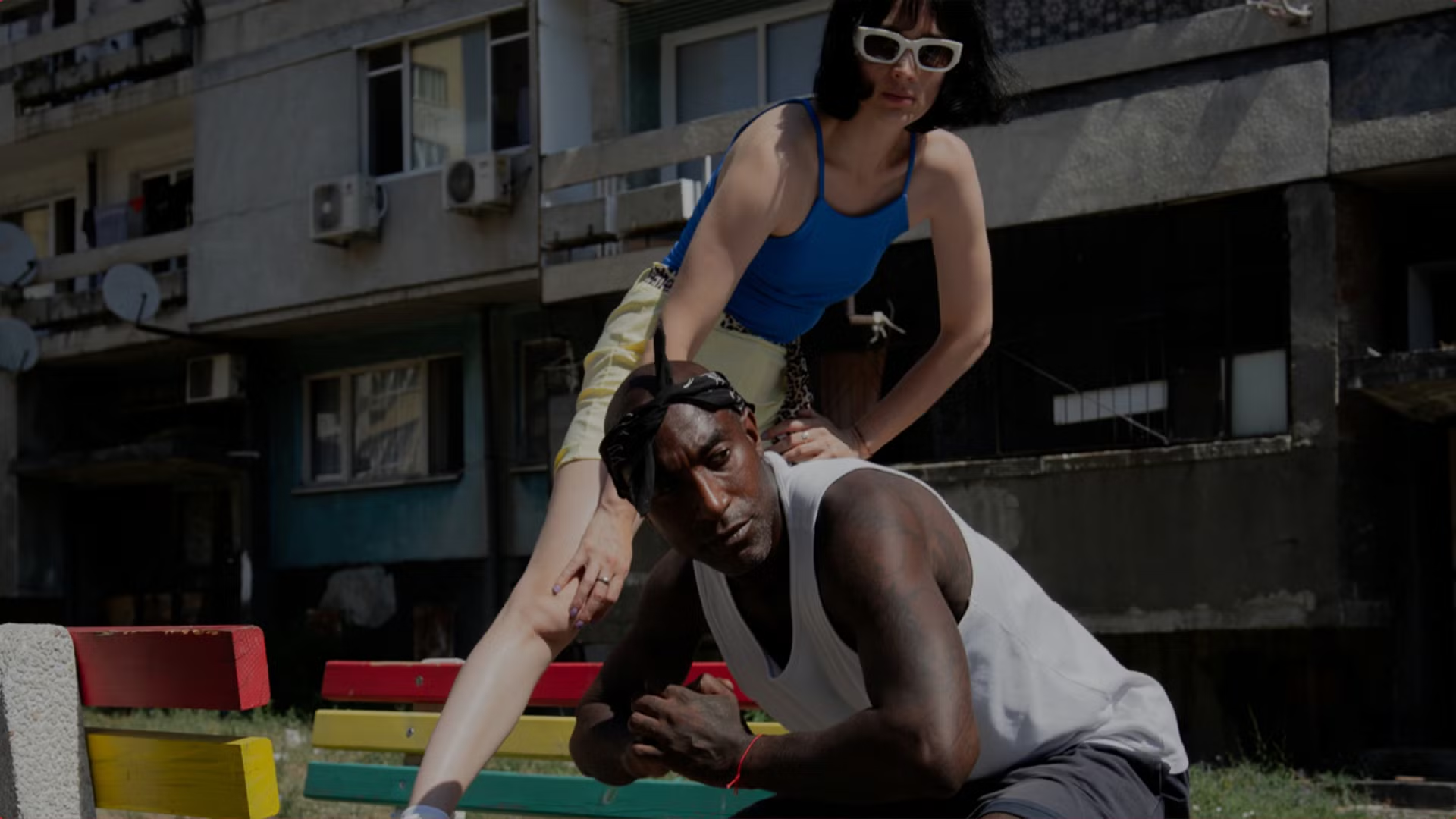
10. The Black Sea Dir. Crystal Moselle, Derrick B. Harden
The Black Sea is an unscripted, fully improvised stroke of comedic genius by Moselle and Harden. The film smoothly chronicles Khalid (Derrick B. Harden), a charismatic Brooklynnite who travels to Bulgaria in hopes to meet and be paid by his “sugar mommy,” only to discover that the woman died prior to his arrival. With no money and a lost passport, he traverses his way through Bulgarian society via odd jobs and unlikely partnerships. After teaching her how to properly make matcha, he strikes up a friendship with Ina (Irmena Chichikova) and the two build an unexpected, lovely work partnership. The Black Sea examines travel and tourism through Khalid’s confidence and charisma, and the emotional power held in the intimate relationships formed not just between different people, but within the places they know, the landscape that informs and shapes them.
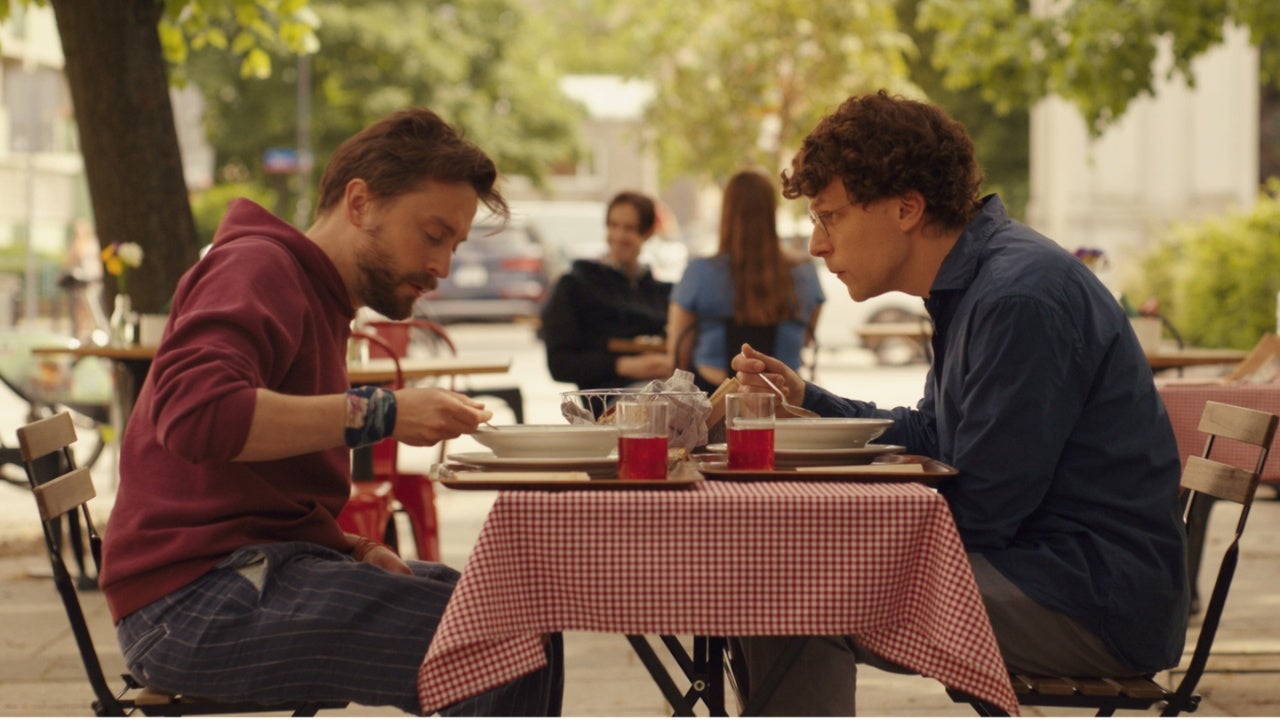
9. A Real Pain Dir. Jesse Eisenberg
Jesse Eisenberg’s quirky dramedy is far more than its witty dialogue and charming performances, though those parts still make it incredibly entertaining and lovable. A Real Pain examines a universal family dynamic, of a sibling-adjacent relationship divided by life paths and fraught by expectation. The tension between straight-laced David (Eisenberg) and eclectic Benji (Kieran Culkin) demonstrates so effectively and powerfully the depths of familial love as they are informed by history and generational trauma. Alongside this, the film investigates histories of pain, as the two go on a Holocaust tour in Poland in honor of their late grandmother. The lingering shots during the tour remind of the legacy of pain, the multifaceted nature of generational trauma and our tense attempts at navigating it. A Real Pain implores us to understand family histories, to learn about and feel our past and our ancestry, and to extrapolate all the empathy and understanding we can from it.
8. The Substance Dir. Coralie Fargeat
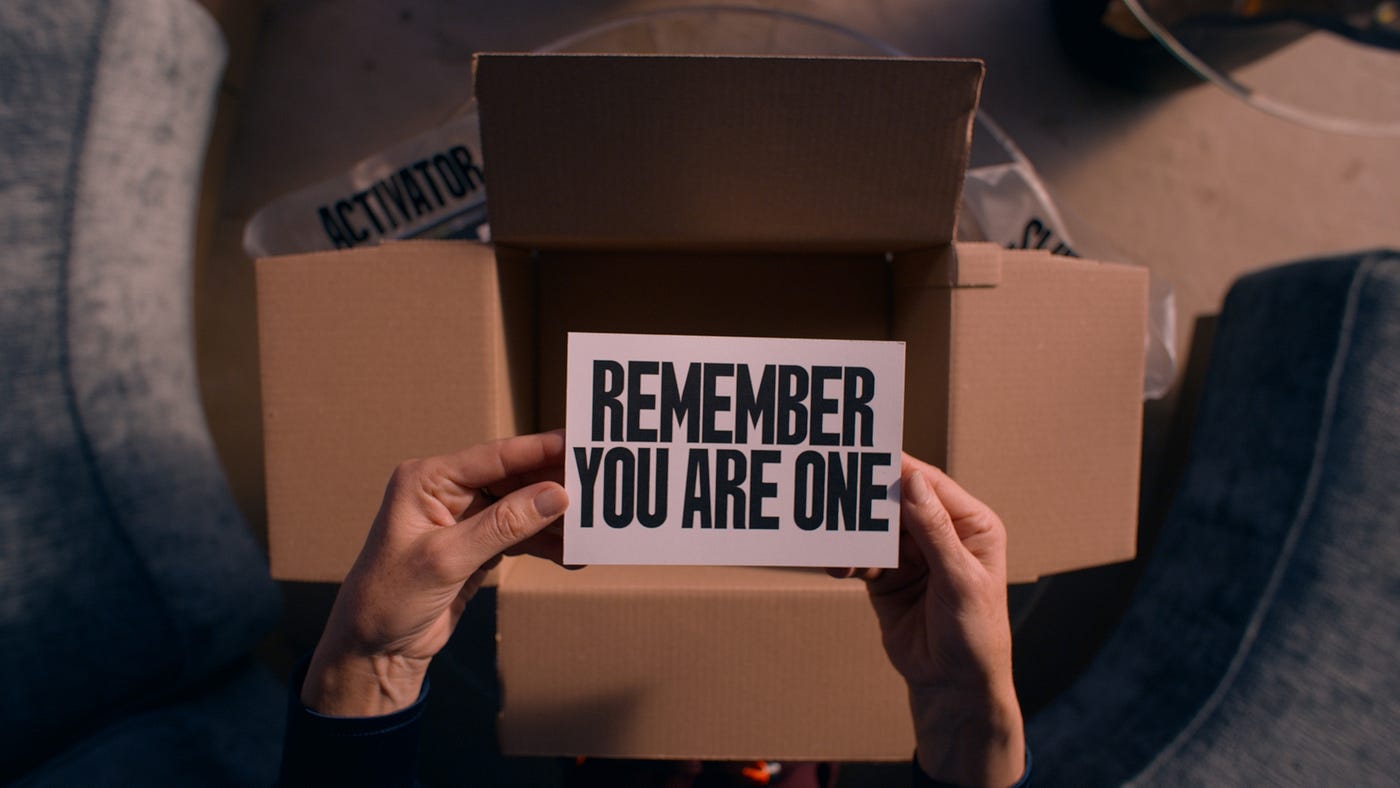
Blunt, wild, and disgusting, The Substance is a feast of flesh so disturbing it’s hard to watch and stomach, yet it still pulls in your complete, horrified attention. It’s a skillful dissection of the tension inlaid in such grotesque, enrapturing body horror, and in the duality of womanhood. Similar to her first feature, Revenge, Fargeat indulges in the grotesque feminine and the monstrosity of womanhood, this time with a hamfisted satire that refuses to relent. When actress Elisabeth Sparkle (Demi Moore) is fired on her 50th birthday from her long-running fitness show, she uses a black market drug that creates a newer, better version of her and reclaims the role as Sue (Margaret Qualley), who emerges violently from her spine. The two must switch their shared consciousness between bodies every seven days, yet the separate bodies and personalities consistently foil one another with disastrous consequences, the likes of which are too fleshy and bloody to properly convey in words. The Substance has such a sharp, scathing bite towards the standards of womanhood, it could already be described as a defining film of the 2020s, as an incisive look at the terrifying progression of beauty standards – I couldn’t possibly write enough praise for Coralie Fargeat’s brilliant, twisted mind.
7. Nosferatu, Dir. Robert Eggers
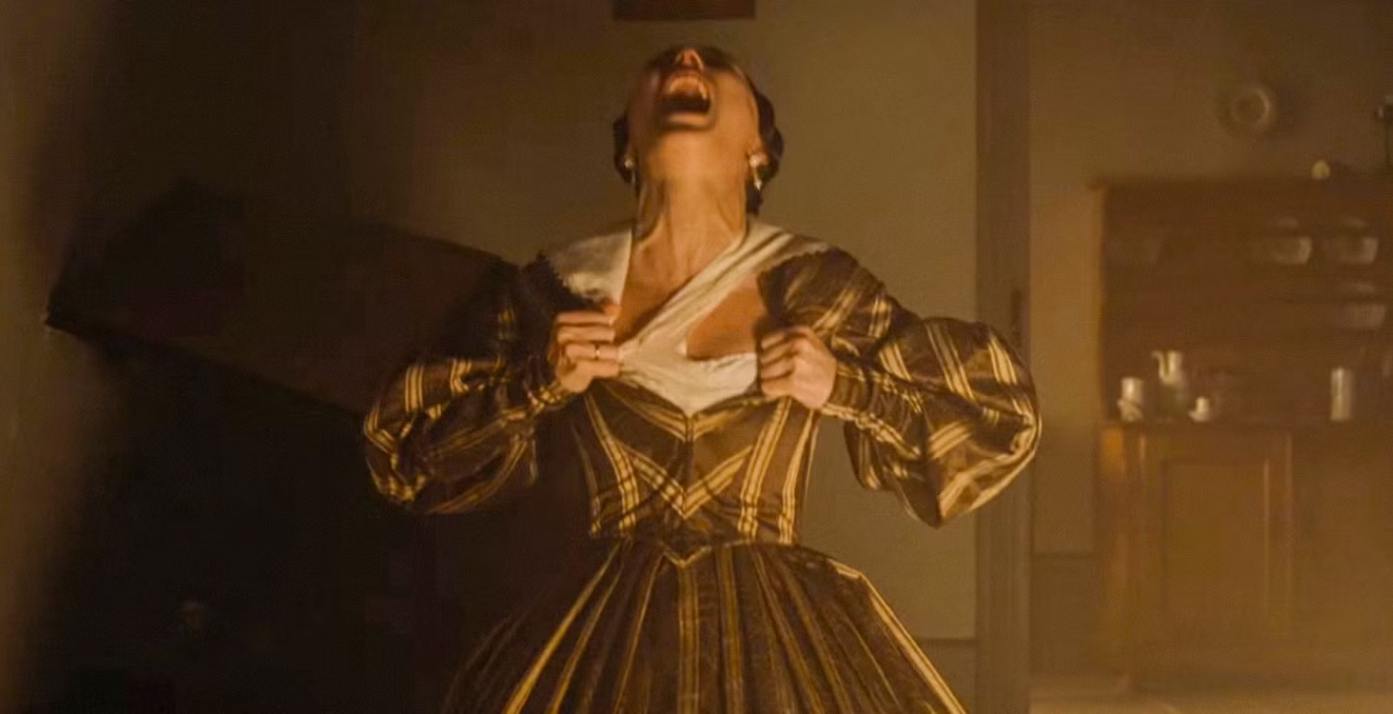
Eggers is one of the most skillful horror filmmakers working today, who works with an emphasis on the atmospheric power of cinema and the way horror, specifically, can transport us somewhere new, somewhere terrifying. Nosferatu is equally chilling and gorgeous, from the costuming to the set design, every aspect of the film feels crisp and perfect. But beyond the aesthetics, Eggers has also engaged with the wild sexuality of this classic vampiric tale – Who would have guessed that a Nosferatu remake would also be the horniest film of the year? But with a filmography that boasts authentic old New England accents and devilish goats, Promethean homoeroticism, and crude displays of Viking ritual, it seems only fitting that Eggers would find a creative angle to present such an essential story, and would do so with the same historical panache that makes his style feel so precisely timeless. Nosferatu is delicious and depraved, scary enough to be a thrilling watch while maintaining a unique psychosexuality, and set against the most stunning production design imaginable.

6. How to Make Millions Before Grandma Dies, Dir. Pat Boonnitipat
The first Thai film to be shortlisted for the Best International Feature Oscar, Pat Boonnitipat delivers a family drama rife with insight on the economic intricacies of Thai culture and society. The film follows M (Putthipong Assaratanakul), who, in search of a convenient way to make money, opts to take care of his Amah (Usha Seamkhum), in hopes of receiving inheritance from her. As a Thai person, I do feel a sense of pride in the success of this film, but more importantly, I think the empathetic commentary Boonnitipat imbues speaks to the specific classism in Thai society and to countries with egregious wealth gaps at large, demonstrating a strong, bright future for Thai cinema. How to Make Millions Before Grandma Dies speaks to the universal sympathy for loneliness, particularly loneliness that occurs through the decline of familial love – it will make you want to call your grandmother, and it will also inspire more reflections on capitalism as it affects intricate familial ties in devastating ways.
5. All We Imagine As Light, Dir. Payal Kapadia
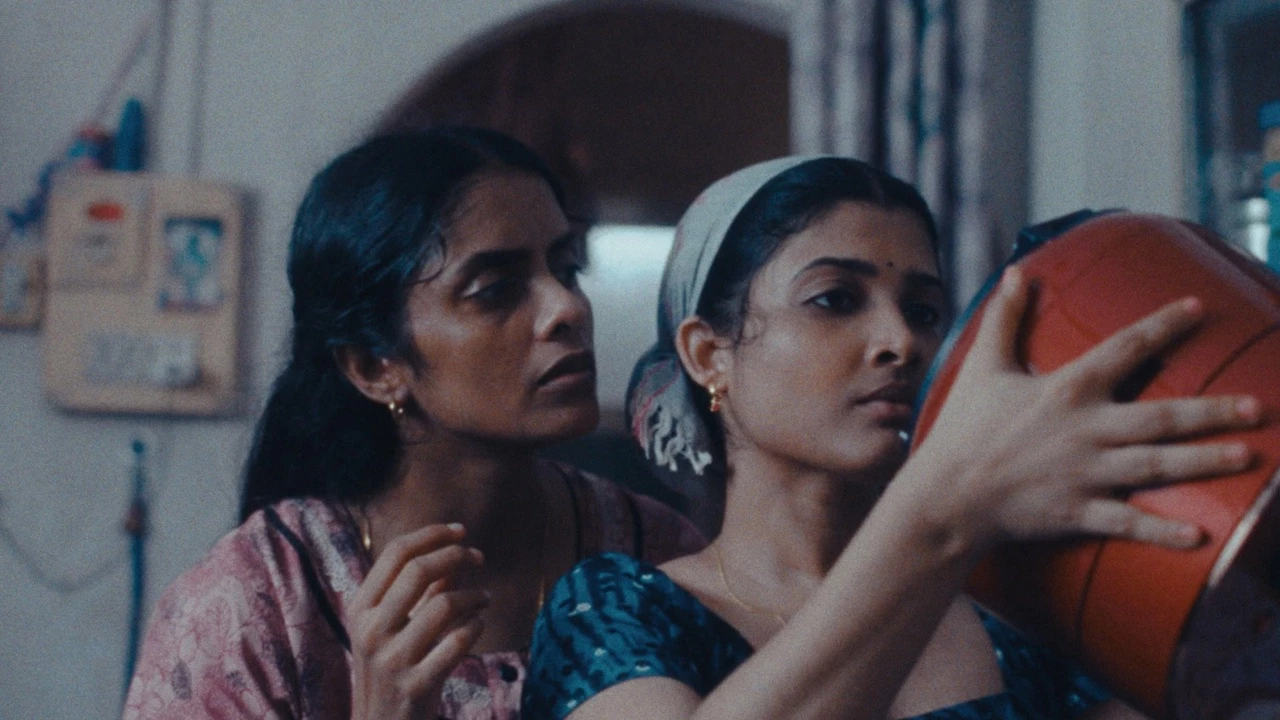
The most loving and soulful film of the year, Kapadia’s second feature is intimate and human storytelling at its most sweetly beautiful. With an intricate, empathetic gaze, Kapadia chronicles the intersecting lives of three Mumbai women, entangled in romance and a slight edge of mystery, particularly on a trip to a beach village in Ratnagiri. Kapadia’s depiction of Mumbai, and the beach village, is rife with warm, soft light; the worlds of these women are illuminated by each other. All We Imagine As Light is a truly enchanting film, moving and loving at every turn. Kapadia is one of the most special filmmakers working today, with an empathy and compassion that transcends through the screen. The film is difficult to convey in words; upon viewing it at IFF Boston in the fall I initially felt speechless in my attempts to review it. All We Imagine As Light just begs to be experienced.
4. Dune Part Two, Dir. Denis Villenueve
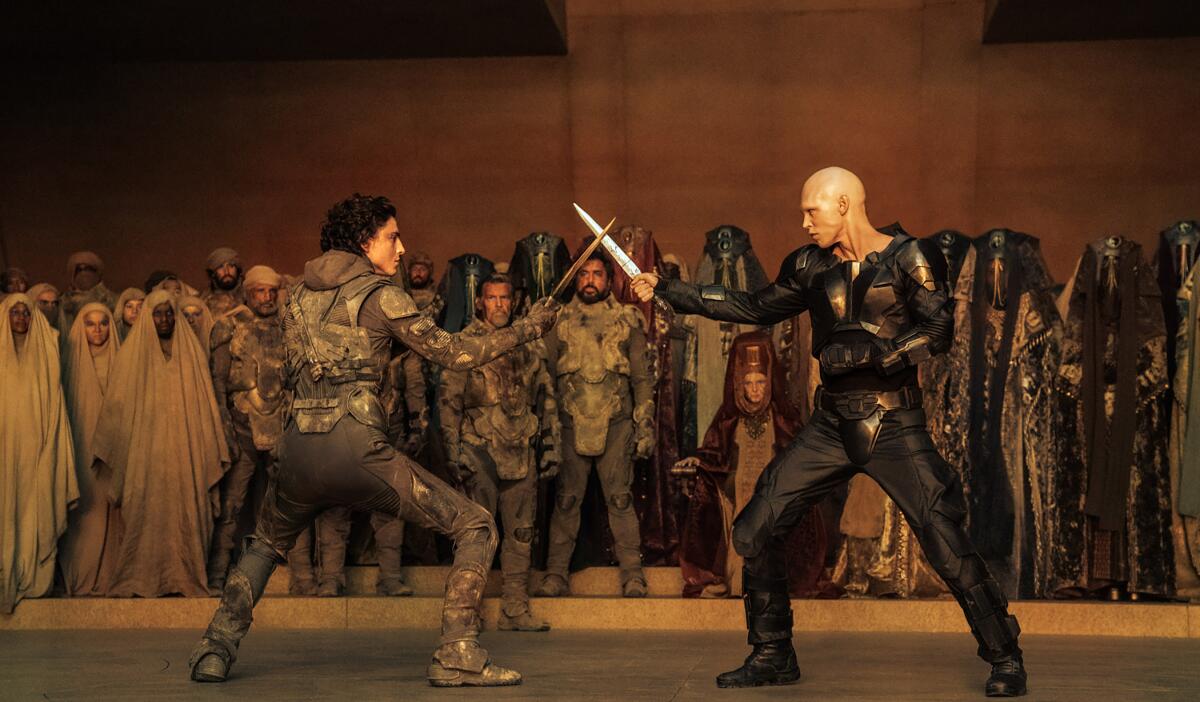
Believe all the hype – a science fiction epic on the grand, theatrical scale that Dune Part Two inhabits is a truly special film to see, especially in theaters. Dune Part Two capitalizes on the grandiose worldbuilding of the first installment, and boasts no shortage of captivating moments that rumble fiercely in a packed theater. In an age of depleted attention spans and rampant runtime scrutiny, it’s fulfilling to experience a film that is as long as it is excellent. The acting ensemble is incredible, each actor committing fully to the passion, the mystery, the evil of their roles – Austin Butler as Feyd-Rautha is a standout, and Timothée Chalamet is an excellent Paul Atredies (with no disrespect to Kyle MachLachlan, of course!) Every element of Dune Part Two is fine-tuned and awe-inspiring; it is an era-defining science fiction classic.

3. Queer, Dir. Luca Guadagino
Don’t get me wrong, I absolutely loved Challengers. But something in the sweltering yearning and literary history of Queer, not to mention the fleeting similarities it shares with the works of Apichatpong Weerasethakul, feels like it was just made for me. The “Come As You Are” needle drop is simply electrifying, and Guadagino’s romantic gaze pairs incredibly with the moments of magical realism and slight body horror. Guadagino’s creative, ghost-like visuals project a tender longing just so scarcely out of reach – the mystery and allure of Queer is best experienced firsthand, so all I will say to describe the plot is that it’s an exploration of longing set in Mexico City between William Lee (Daniel Craig), and the much younger Eugene Allerton (Drew Starkey) whom he is infatuated with. The film is informed by its source material and imbued by Guadagino’s penchant for palpable cinematic sexuality that is laced throughout every gorgeous sequence. Daniel Craig is the obvious acting standout in the film, but it’s the creative and technical aspects for me – the music, the production and costume design, and of course Sayombhu Mukdeeprom’s cinematography – that make Queer so captivating and stunning.
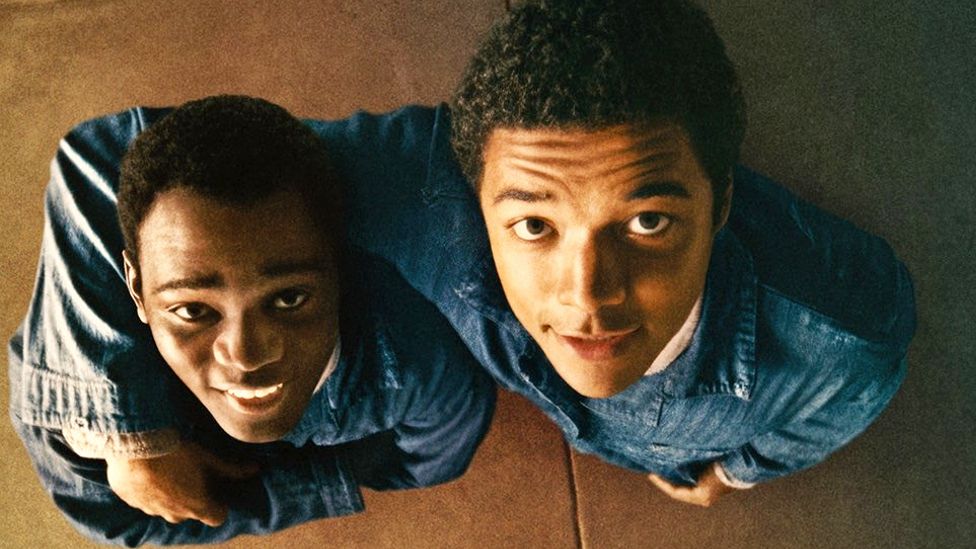
2. Nickel Boys, Dir. RaMell Ross
RaMell Ross’ stunning narrative debut has been most known for the unique, first-person point of view the camera takes. It is daring, intimate, and a difficult feat to pull off, but Ross’ incredible direction doesn’t stop there. The personal gaze pairs so effectively with the use of mixed-media, the profound face acting throughout the film, and the way the ending unravels. Nickel Boys, an adaptation of the Colson Whitehead novel “The Nickel Boys,” is set in Jim Crow era Tallahassee, and follows Elwood (Ethan Herisse) and Turner (Brandon Wilson), two Black students who become best friends at Nickel Academy, a reform school. Nickel Boys is devastating and heart-wrenching – the acting is incredible, but Ross’ direction is such a standout. His incorporation of thoughtful symbolism, the emphasis on what the camera shows us and what it doesn’t, the skillful inclusion of montage, all of it culminates in a speechlessly moving and unforgettable picture. Ross is an absolute visionary, the best direction of the year – I highly recommend reading Hunter Harris’ interview with him here.
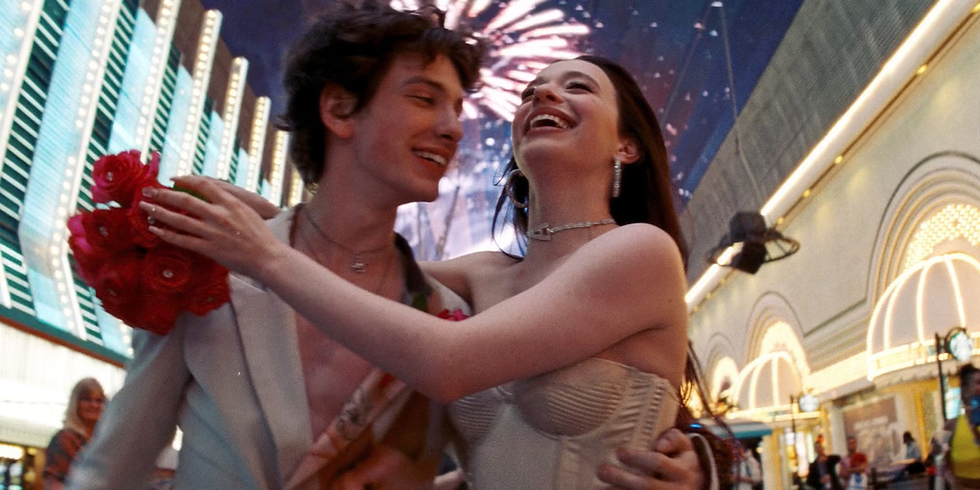
1. Anora, Dir. Sean Baker
What can I say about Anora that hasn’t already been said? Baker is funny and insightful as ever in his genre-melding ode to cinema classics, pulsating rhythm and erotic dance, and glossy, foolish romance. His brilliant character study is nothing without Mikey Madison’s captivating screen presence as Ani, her thick Brooklyn accent and glimmering strands of hair tinsel became instantly iconic; the film relies on Madison’s performance, and she excels in every way. Anora embodies the illustrative power of cinema and wraps it around an undercurrent of unlikely kinship and connection; it has a magical Scorsese panache, and is as gorgeously stylistic as it is a profound and substantive character study. Baker’s excellent screenplay consistently subverts audience expectations and makes for a rich and dynamic tale of a thrilling yet perilous situationship and the relationships formed in the fallout. Anora is my favorite film of the year for its rewatchability, its style and flair (personally, I like to make a Goodfellas comparison here!), the charismatic and delightful acting ensemble, and the way the story morphs and bends through the eyes of its unforgettable main character.