Written by Neil Horsky, this column was originally published in the July 2015 issue of the Boston Compass
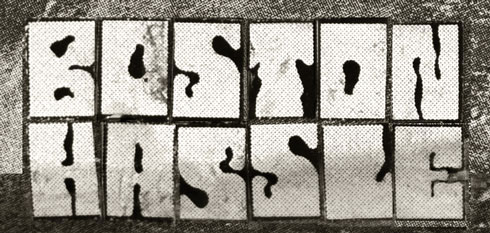
Art by Lynn Horsky, “Who Read Thoreau”
On July 26, 1846 Henry David Thoreau was arrested and jailed in Concord for unpaid federal taxes. Among other US policies and practices, Thoreau morally objected to the Mexican-American War which he felt was one of conquest and imperialism, and he refused to contribute to funding it. He spent one night in jail before an anonymous person paid his back taxes against his wishes and he was set free.
Thoreau delivered a public lecture shortly thereafter on “The Rights and Duties of the Individual in relation to Government” which was later revised and published as an essay. This work, re-titled “Civil Disobedience” in 1866, provokes a sense of moral obligation and call to action to resist State-sponsored injustice through noncompliance.
Civil Disobedience as a text and political concept has inspired social movements such as Abolitionism, Suffrage, Labor, Civil Rights, and today’s OWS.