Written by Neil Horsky, this column was originally published in the September 2015 issue of the Boston Compass
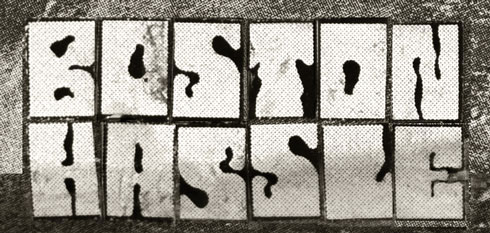
Art by Brendon Wood, “The First Amendment”
In Boston on September 25 1690 independent journalist Benjamin Harris published the first newspaper printed in the American Colonies. Harris introduces the 4-page publication, Publick Occurrences, Both Forreign and Domestick, by describing his intention to “furnish…an account of such considerable things as have arrived unto our notice,” so that “people everywhere may better understand the circumstances of public affairs, both abroad and at home.”
The domestic news from September 1690 includes several accounts of conflicts between New England pioneers and Indians, missionary work with Indian villages, the abatement of a small pox outbreak in Boston and other public health matters, a dramatic suicide in Boston by an elderly man, and news from battlefronts with French-Indian forces in New Hampshire, Maine and Canada. British Empire battlefronts in the Caribbean and Ireland are summarized, and foreign news is concluded with a bit of scandalous gossip on the incestuous French royal family. The final page is left blank so readers may handwrite amendments to the news stories and introduce new ones before redistributing.
British law prohibited independent publications of any kind. Within four days the Governour & Council issued a declaration that Harris “presumed to print and disperse a pamphlet… without… authority,” and ordered “said pamphlet…be suppress’d and called in; strictly forbidding any person…to…print without license first obtained from…the Government.” Every undistributed copy was confiscated and destroyed. The one known surviving copy is now housed in the British Library.
Harris had previously served jail time in London for publishing seditious material. After fleeing to Boston he operated a coffeehouse and bookstore, which served as a popular meeting place for political discourse, surely inspiring and informing the short-lived Publick Occurrences. He later returned to England and continued to publish without a license.