Written by Neil Horsky, this column was originally published in the May 2015 issue of the Boston Compass
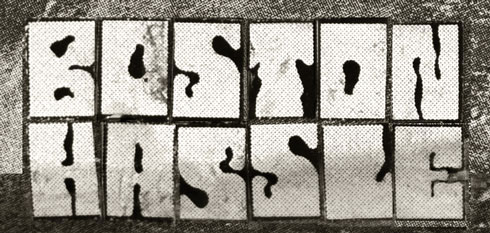
Art by Lynn Horsky, “A Son of the Forest”
The fledgling Massachusetts Congress of the 1780s, in their paternal wisdom, charged themselves with the problem of the Mashpee Indian tribe of Cape Cod. The Legislative Act of 1788 granted State-appointed overseers total command of the Mashpee’s economic affairs – the power to tax, manage natural resources and trade, and to indenture servants including children. The Act of 1789 prohibited teaching literacy to the Mashpee under pain of death.
Enter – William Apess: a brilliant and charismatic Pequot Indian educated in white schools; a traveling Methodist preacher, activist, poet, and author who meets the Mashpee in 1833 and learns of the wrongs against them. On May 21 1833 the Mashpee hold a council, adopting Apess into their tribe as Minister. A letter drafted to Harvard College requests the dismissal of Rev. Phineas Fish, appointed as missionary to the Mashpee without their consent, who for two decades has abused his office and the tribe for personal gain. A second letter to the Governor & Council petitions a redress of grievances and plea for self-government, declaring the laws governing the Mashpee lands and people to be unconstitutional, including the sanctioned extortion of the Mashpee’s natural resources.
Within this “Mashpee Nullification,” as it came to be known, is an ultimatum, which was also posted about the Cape – after July 1 1833, no white men may harvest wood or hay from Mashpee land. In open defiance, on this very day the Brothers Sampson of Barnstable are confronted by Apess and others as they load freshly hewn logs into carts. After a verbal exchange with Apess, the Sampsons leave peacefully but with an empty cart, vowing to press criminal charges against the tribe for interfering with their spoil. When the Overseers hear of the confrontation, rumor of a “Wood Riot” and fear of an imminent violent insurrection is spread to the authorities and media. Governor Levi Lincoln prepares to muster a militia but first sends a representative to address the Mashpee in their meetinghouse, who peacefully provide him a daylong account of their trials with the whites. The representative promises a legislative hearing to consider the Mashpee petition. Undermining this positive step, the day concludes with the Barnstable County Sheriff issuing a warrant for the arrest of Apess for trespassing and inciting riot – a backwards indictment indeed. A handpicked jury sentences Apess to 30 days in jail, further agitating relations and exciting the press and public.
The Mashpee petition was read aloud before the legislature in January 1834, under the unprecedented protest of several representatives. A week later a Mashpee delegation is invited to speak to the public before a packed State House Hall of Representatives. There Apess delivers a profound speech on the moral obligation of government to uphold justice, from which many a legislator is moved to reflection on the flawed policy towards native peoples. Shortly thereafter passes the Mashpee Act of 1834, forming a semi-autonomous Indian District of Mashpee. In May 2007, descendants of these Wampanoags became a federally recognized Tribe, the tenth in New England.