
Jack Draper is a contributing writer for Boston Hassle
This year really feels like a god-tier movie year, joining my list alongside 2019, 2007, and 1999. 2023 is not just top-heavy, but has such a rich grouping of films that my honorable mentions list is just as good as the top ten itself. Barbenheimer was everything and more, we aren’t looking at a robust grouping of films heading into awards season, and Marvel fatigue is at its peak. As for me, I went to many lovely repertory screenings, crossed 200 episodes of my podcast (Exiting Through the 2010s, available anywhere podcasts are found) read several film criticism essays, and saw many great new-to-me films (Distant Voices, Still Lives, The Swimming Pool, The Green Ray). Here are the new releases I loved.
Honorable mentions
- Asteroid City (Wes Anderson)
- A Thousand and One (AV Rockwell)
- Barbie (Greta Gerwig)
- Enys Men (Mark Jenkin)
- Magic Mike’s Last Dance (Steven Soderbergh)
- Master Gardener (Paul Schrader)
- Oppenheimer (Christopher Nolan)
- Priscilla (Sofia Coppola)
- The Boy and The Heron (Hayao Miyazaki)
- The Killer (David Fincher)
- You Are So Not Invited to my Bat Mitzvah (Sammi Cohen)
- You Hurt My Feelings (Nicole Holofcener)

- Passages (dir. Ira Sachs)
For someone who has been married to a European sensibility for his most recent work, its about time for Ira Sachs to make something explicitly European. After all, there is this keen since of freedom, messy relationships mixed with charisma. So many of the events of Passages aren’t so much seeing something crash and burn but seeing them stand up then repeating that crashing and burning. The compelling carelessness of Tomas (Franz Rogowski) in his love triangle with Martin (Ben Whishaw) and Agathe (Adele Exarchopoulos) stems from the idea that learning from your mistakes comes differently to some partners. Which is on a parallel track with Sachs’ detailing Tomas to act on compulsion, learning the value in self-acceptance when his suitors can’t accept him.

- Killers of the Flower Moon (dir. Martin Scorsese)
A complete feast of a movie; there’s so much life to take away despite the death, greed and monstrosity. Perspective is everything, intertwining America’s skeletons with Scorsese’s difficult task to pay loving respect to those ignored in history. Bearing witness to these senseless acts brings us closer to an interiority in both the capitalistic evil and the swooning romance in the core of Ernest (Leo DiCaprio) and Mollie (Lilly goddamn Gladstone) which only amounts to manipulation to benefit the demons repetitive by William (Robert De Niro). Maybe its reductive to whittle down this totemic work to “Can someone love their partner and kill their loved ones” but remarkably, Scorsese comes to concludes yes, despite seeing Ernest’s integrity deteriorate the love between him and Mollie does not. In maybe the ending of the year, Marty makes the choice to insert himself to eulogize the fates of these characters, one final reminder that this is just a story now. To borrow another one of 2023’s finest films’ memorable lines, “just keep telling the story.”
- Blackberry (dir. Matthew Johnson)
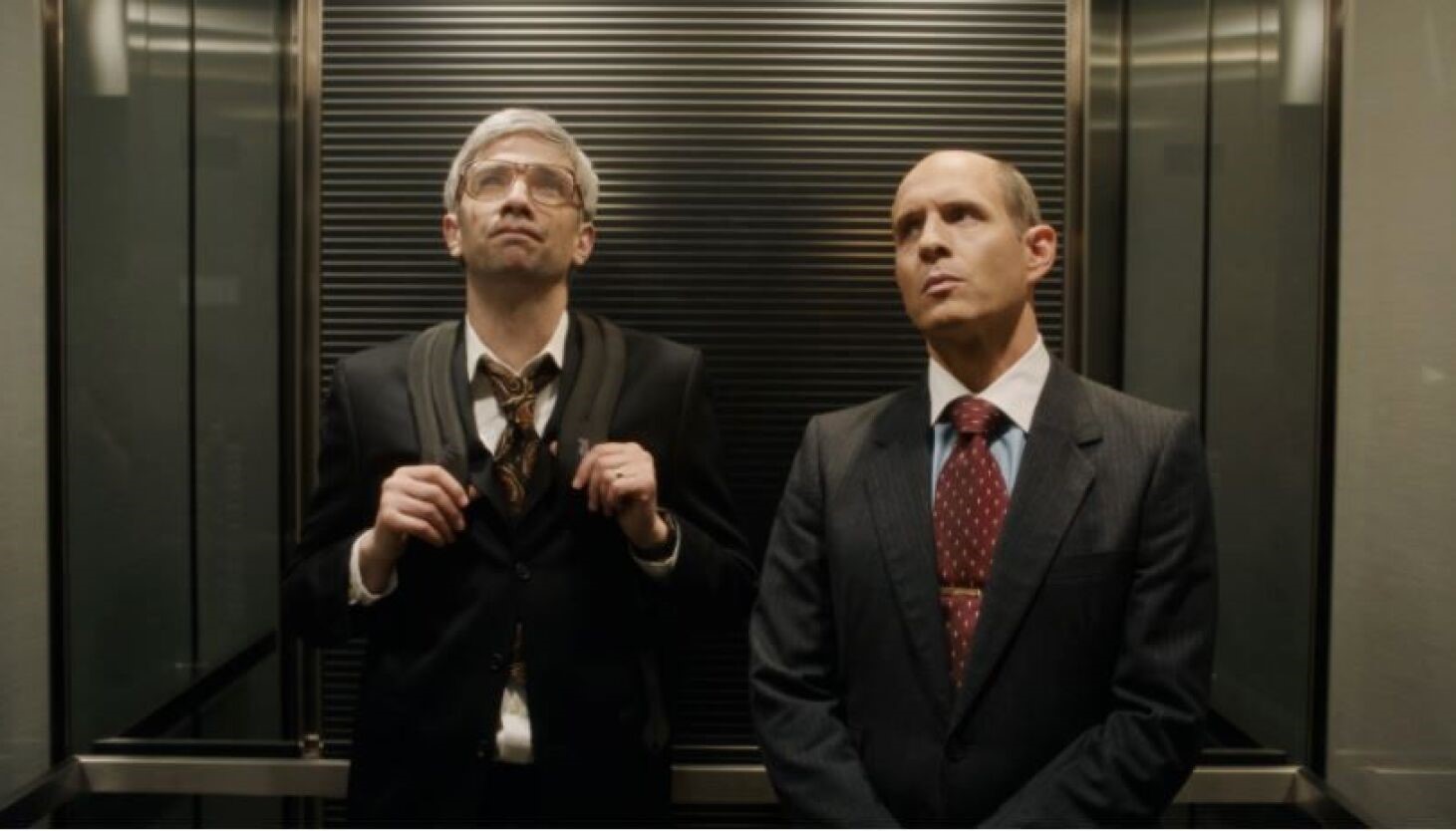
For my estimation at least, both Matt Johnson’s hysterical tragedy and the next pick on my list represent the best versions they could crystalize into when faced with adapting source material. After all, Johnson had a large obstacle to clear as he was faced with an onslaught with big studio films cashing in preexisting product origin stories (Tetris, Air, Pinball, Flamin’ Hot) and Blackberry might have faced being grouped in with the rest as hackneyed and disposable. Call it The Social Network redux (even with our new Edwardo Saverin, Mark Zuckerberg and Sean Parker now Doug Fregin, Jim Balsillie and Jim Lazaridis), but there is a real sense of pathos within each scene as we know how the story concludes as seen with Fincher’s film is hauntingly ahead of its time. As I initially hesitated with the film, once I saw enough people positively rate it on Letterboxd, I sought it out and was engrossed the entire time. There’s an identity and a sadness here; even if BlackBerry is extinct, it speaks to Johnson’s view of corporate failure’s easy obtainability.

- Are You There God? It’s Me Margaret (dir. Kelley Fremon Craig)
And now the other “best version of what you could be” adaptation, Kelly Freemon Craig’s delightful Are You There God? It’s Me Margaret. It’s hard to even know what Judy Blume can even mean in 2023. There is such specificity and joyousness integrated within the film of two decent parents (Benny Safdie, having an amazing year, and Rachel McAdams, who is never more radiant) who are doing their best of raising their daughter, Margaret (Abby Ryder Fortson), all while she’s confronted with different feelings about religion, boys, self-acceptance, and, most importantly, her period. Fremon Craig crafts the anticipation around Margaret getting her period like successfully pulling off an intricate heist (see my next pick for more). Margaret sees it as fitting in with her friends, as it’s a frequent topic of conversation and something for her and her mom to celebrate together. Fremon Craig, as a student of James L. Brooks, has a knack here for creating a sense of life for these characters outside the frame with everyone having their own movie going on. Nearly all the jokes simply land so well here; Fremon Craig is so good at directing all the kiddos, but Fortson is given a tricky task to convey one of the more humbling stages in life, the anxiety of puberty.
- How to Blow Up a Pipeline (dir. Daniel Goldhaber)
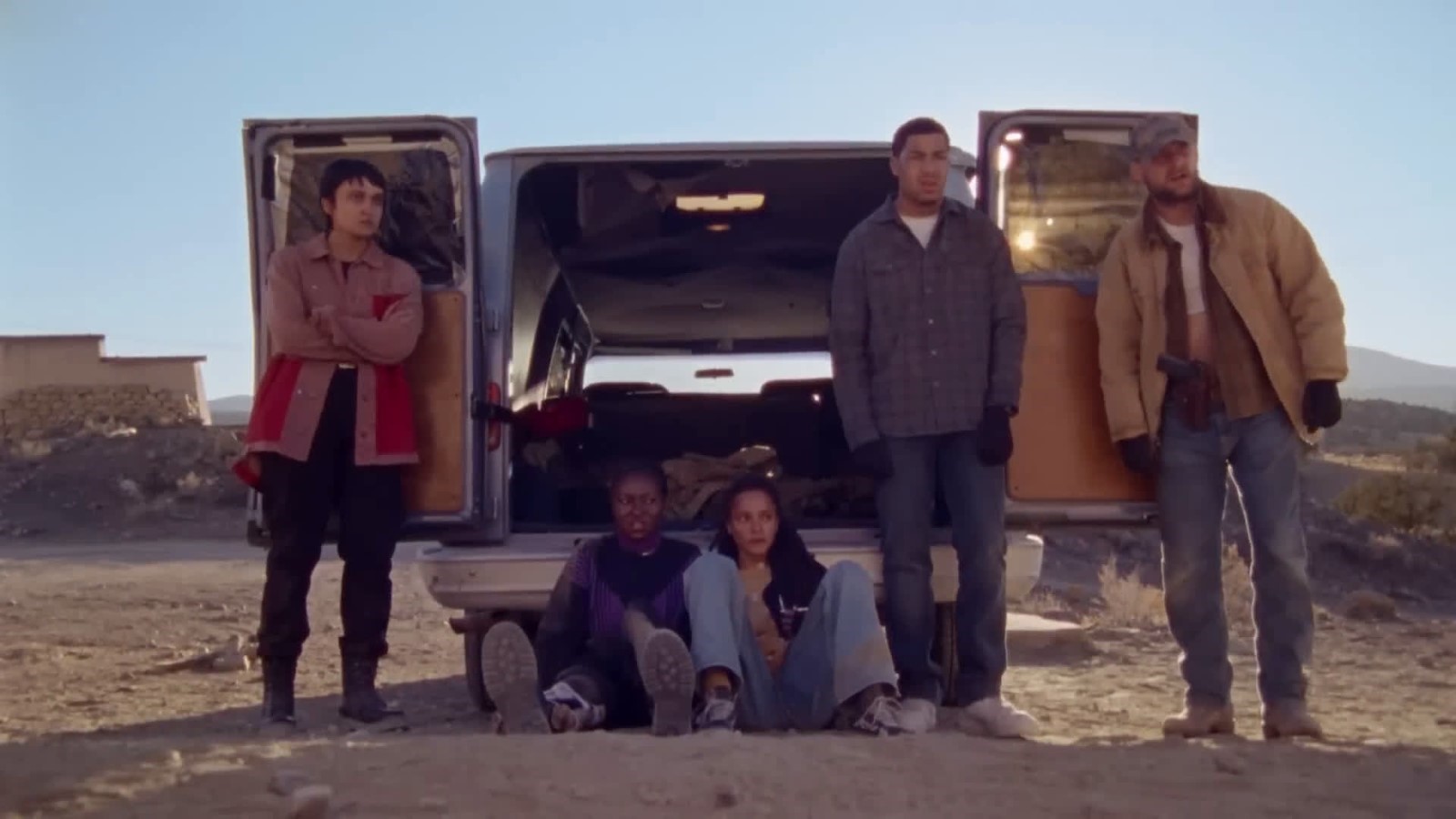
Even in 2023, we don’t have that many filmmakers under 40 making movies about people under 40 that have something to say. Yes, Pipeline does show you the exact process of crafting a bomb, but furthermore it achieves the desperation and craftiness of contemporary young people looks like. I deeply felt the frustration from my fellow late Gen Z (20–25-year-old) people, online and in Daniel Goldhaber’s urgent thriller that’s as compelling as it is a wakeup call. With the help of maybe the score of the year, this group of twenty-somethings come from all walks of life. Even as their disagreement with each other builds, they’re all there in Texas for the common goal: taking matters into their own hands and blowing up an oil pipeline. If cinema is life with the boring parts cut out, then Goldhaber successfully pulled off making a heist film with enough radical conflict, tension and politics without any major law enforcement opposition. A heist film that truly holds a unique place in the genre and reveals itself to be so much more than just “Ocean’s Eleven meets Night Moves” as it may appeared on the surface.
- Maestro (dir. Bradley Cooper)
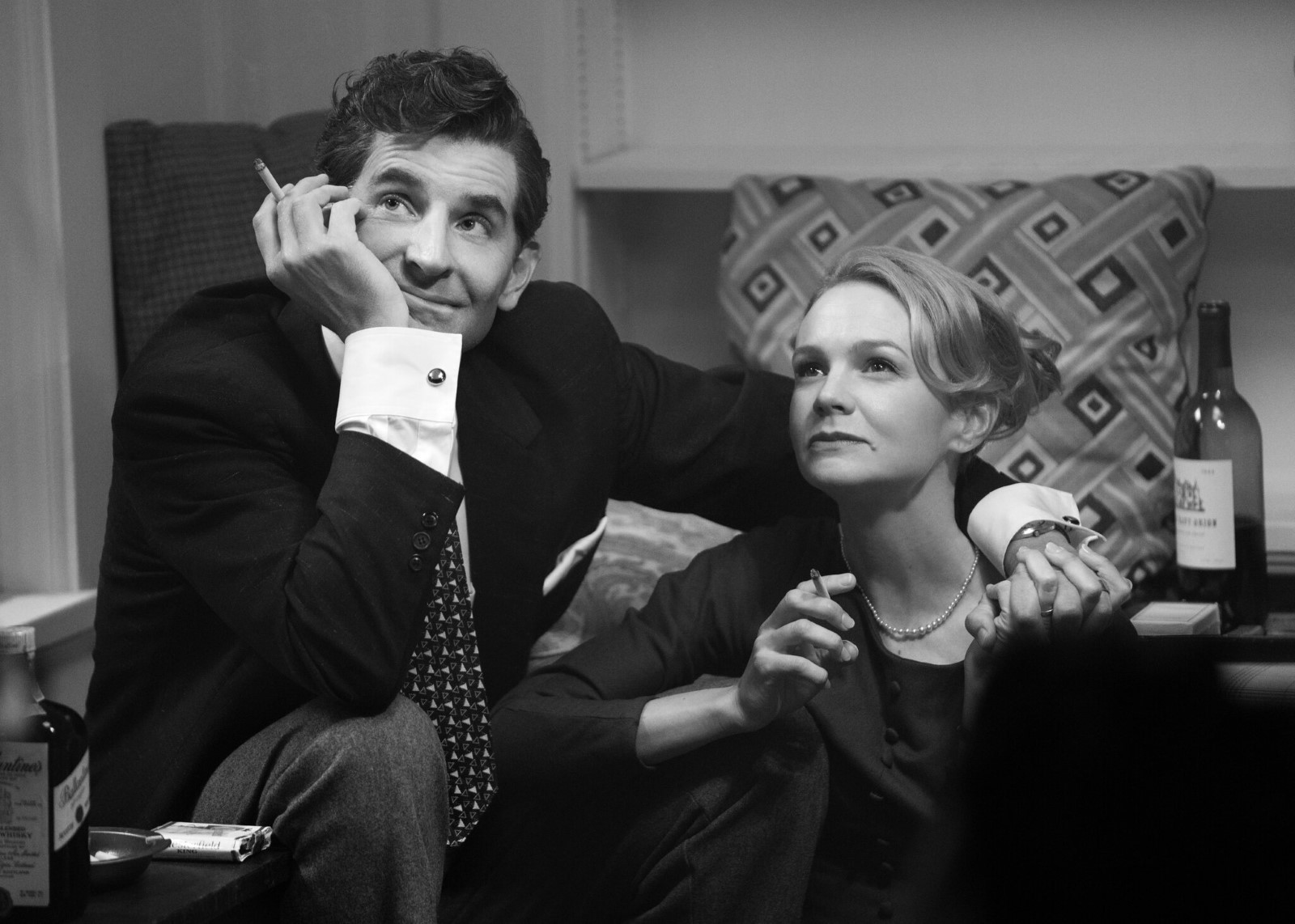
Okay, it was either this or Oppy, and the hot scientist has been on enough of these lists. Every review that calls this one self-indulgent, mid, directionless, or standardized biopic nonsense just makes me think about liking it more and more. It truly feels like time will be kind to the film, even if some of my favorite and brightest critics dismiss it as something Cooper was convinced of proving he can do it that to actually say something. Cooper does zag in the biopic playbook all while hitting some major moments in Leonard Bernstein’s life all while treating the audience with respect to understand the legend behind the music. As was written about in its festival premiere, this is really a romance; the marital strife between Leonard Bernstein (Cooper) and actress Felicia Montealegre (a glowing Carey Mulligan) takes center stage over the artistry behind classical music composition (as that is still a magic trick, and we will never understand it), and I was really smitten with the romance between the two. The film reveals itself to focus less on the process conducting music, as that’s what’s being consistently being pushed aside until there’s is a pressure to live up his own image. Bernstein, whose image is continually inflated as the film progresses, never shakes the fear of loneliness and sadness. As someone who is endlessly charismatic and musically gifted is visibly frightened once his daughter (Maya Hawke) confronts him about being closeted, its out of fear of losing a creative partner not as much exposing his bisexuality. Bernstein loves people despite having a cold heart (according to Montealegre in the fabulous Thanksgiving parade scene) and his unknowability kept me thinking. 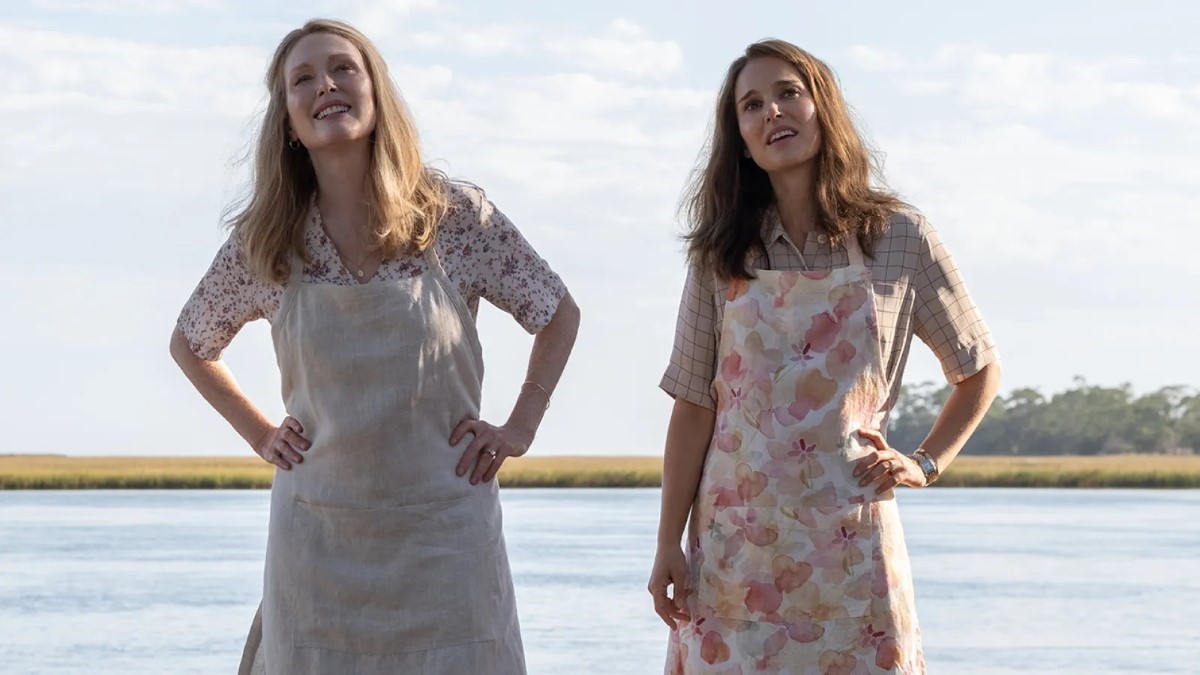
- May December (dir. Todd Haynes)
2023 has really been the year of complex trios (see next pick for another) and Todd Haynes’ newest psychological exploration into our deepest repressions might just be my favorite trio of the year. The interplay between Elizabeth, Gracie, and Joe is about as compelling as the tonal play between camp and drama. How you’d like to vibe with the tone, performances and internal conflict primarily of Joe and Gracie is at least at easy access as the story keeps you guessing, even if you have knowledge Mary Kay Letourneau. Screenwriter Samy Burch dreadfully leads us to Joe looking onto his kids’ graduation as he has nowhere to be emotionally accepted. He is being praised everywhere, but Charles Melton is truly the supporting performance of the year; he has this uncomfortability about him that permeates throughout until he unloads once he and his son share some grass on the roof. He tries to be decent, but his mind is at a different speed than his heart. And if Melton is a revelation, then we still have Moore and Portman– and Haynes directing them, which is like the fifth or sixth most mesmerizing aspect of the film. Movies about the process of making a movie are usually always good, and Burch using Elizabeth’s start of actress researching a real-life person she’s then turn to unwelcome houseguest (then reveal of what the movie ends up looking like) is brilliant. Even balancing superb jokes (not having enough hotdogs, teenage boys hitting the door frame to impress a pretty woman) with a sensitivity to a deranged relationship has this one lingering far after it was over.
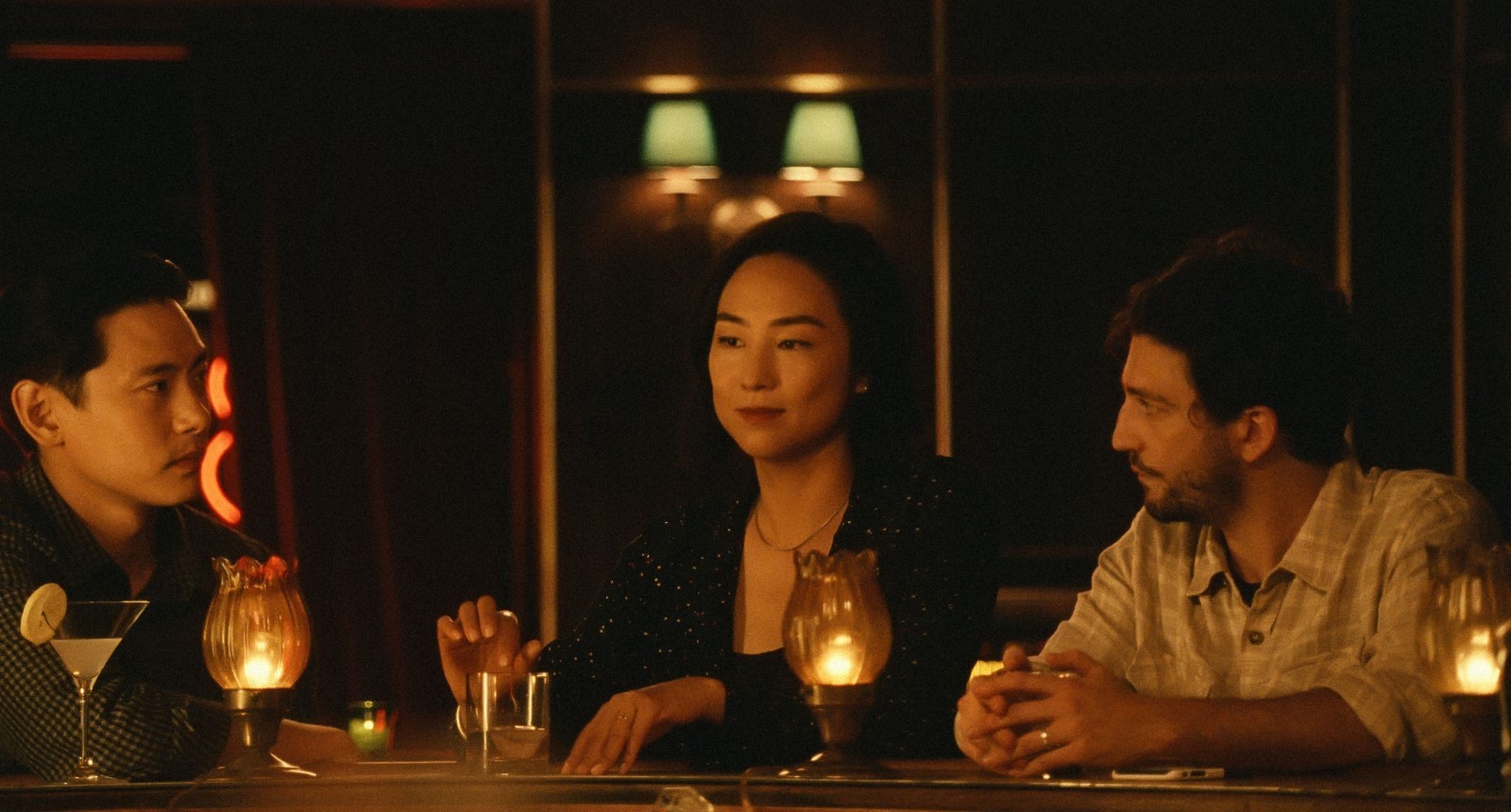
- Past Lives (dir. Celine Song)
Without question the directorial debut of the year. Celine Song displays such confidence and profound qualities that it doesn’t even feel like a first film. Despite being a playwright turned filmmaker, Song avoids the conventional obstacles of making her films feel limited and contained cinematically by making Past Lives something less of harsh conflict but understated emotion. As Nora (Greta Lee) is a ship passing in the night from Hae Sung (Teo Yoo) while she’s moved on to pursue Arthur, (John Margaro, who among us hasn’t) it’s an observation on romance I’ve never seen before. Between the trio, there is a quiet understanding and contentment of something that didn’t make everyone the better. Scenes shared between Magaro and Yoo are so unexpectedly tender that we are left feeling a mix of emotions. Greta Lee is also fabulous; she’s just so radiant we can complete Nora as a character even when she’s offscreen. Song has a real grasp on the human condition which leaves you thinking, but in a way that’s more relatable to many as we can so clearly imagine what a certain someone could like look with you if your lives were on parallel tracks. Past Lives is a beautiful mediation on emotional intimacy and the question every filmmaker is trying to answer this year: can you have it all?
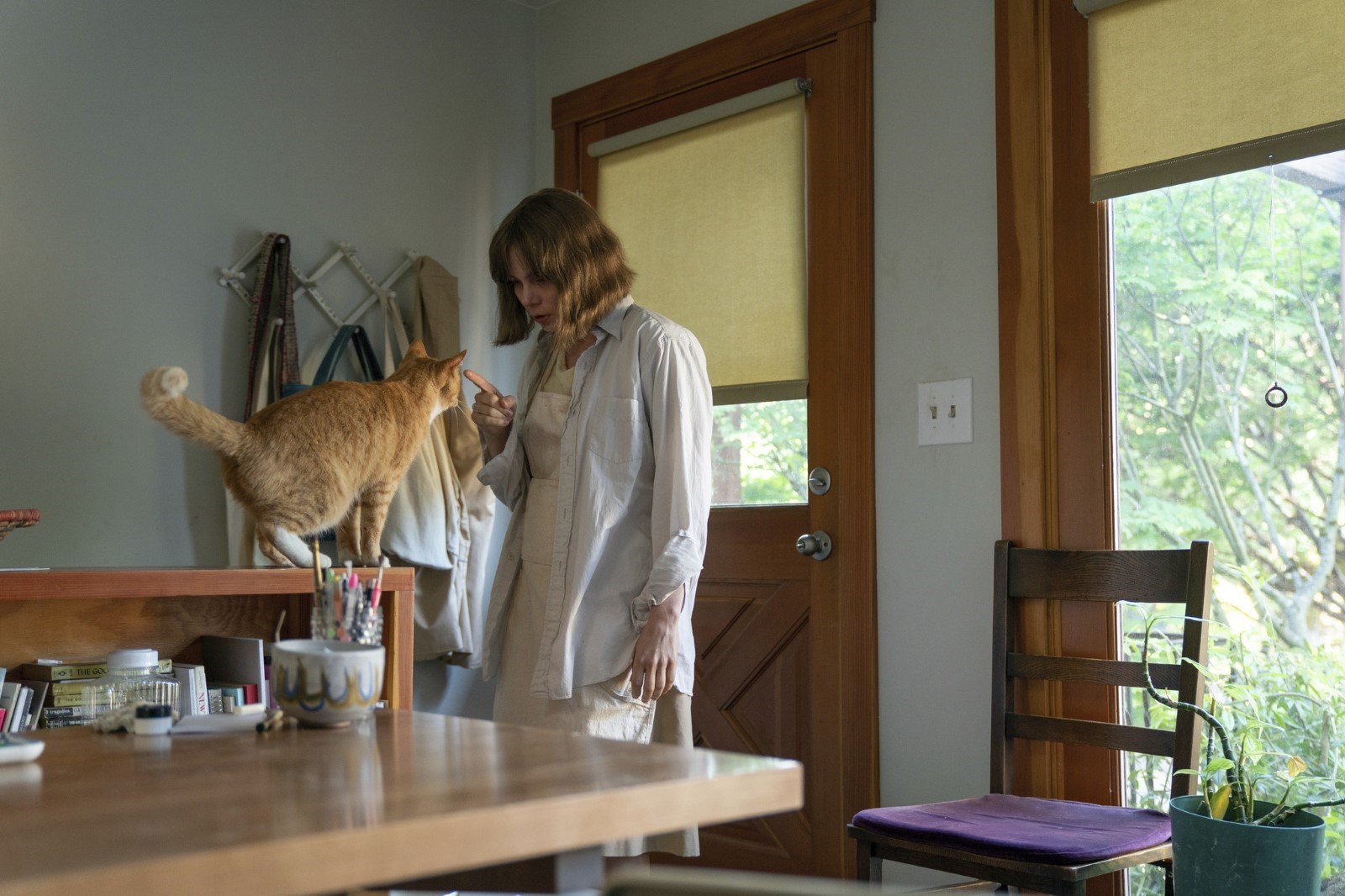
- Showing Up (dir. Kelly Reichardt)
Maybe my new favorite film from Kelly Reichardt? She also had a killer Marc Maron interview, but her newest sees her in control of another well observed character study only this time with a close eye on communities. Only in Reichardt films to you feel such a lived-in quality, relationships that suggest anyone could be the lead of the film. Instead, we follow Lizzie (Michelle Williams, Reichardt’s muse), trying to get by as one of many struggling artists in the Portland area. Her landlord (Hong Chau) proves to be quite irritable, but still they got each other’s backs. Lizzie is on the verge of something great, even in a new art exhibit that’s as exhausting to prepare for as it is to wrangle her dad (Judd Hirsch) to see the new artwork. It’s one of Reichardt’s best comedies in a filmography of very funny movies. The dry sense of humor reveals itself in moments of everyone looking so tired all the time to Lizzie having a curious encounter with a pigeon. Sometimes you can’t help but be jealous of a peer’s artistic process and your shower water is cold.

- Anatomy of a Fall (dir. Justine Triet)
50 Cent’s “P.I.M.P.” instrumental on loop. Maybe my favorite courtroom drama ever (???). This thing really cooks with so much drama and never lets up; I couldn’t ask for more from a great Palme d’Or winner this year. The story follows Sandra (a mesmerizing Sandra Hüller) attempting to prove her innocence in her husband’s bizarre death that occurred inside the home. Sandra is fighting a losing battle in all sides: her blind son Daniel (Milo Machado Graner) is the only witness; as the wife she’s going to play twice as hard to prove it was marital strife for the motive; the circus that is the French legal system and the different languages being to spoken threaten her stories to become misinterpreted. It’s incredibly compelling to see writer/director Justine Triet unwrap all this stacked against Sandra; even the thing that doesn’t really matter is front and center in if Sandra killer her husband. After all, Sandra is most certainly a narcissist if nothing else, which leads to how a majority of true crime concludes in how the suspect had at least thought of the violent act even if they hadn’t acted upon it. I love unsolved true crime, and the inability to connect the final few pieces to what we desperately need answered is endlessly fascinating. The assumption that we the audience (or jury in this case) would like to assign gives us the idea of one’s guilt rather than a version of events that can feel. I love how we are constantly being questioned about what we’ve seen all movie. Even if the vibes have never been more off for an opening scene, we feel like a participant in this nutty court system. No matter if Sandra did it, answering for her harsh emotions that lead to her husband’s death weigh heavy and marital strife is always fascinating. All we know for certain: Snoop is the cutest pup all year.