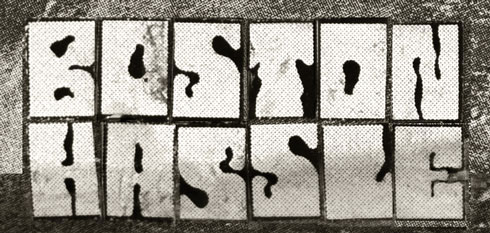
The novel Vineland was written in 1990 by the reclusive cult author Thomas Pynchon. It is a period piece very deliberately set six years earlier in 1984, telling a story about aging ‘60s radicals coping with the serious bum-out vibes of the Reagan years. Paul Thomas Anderson’s adaptation of the novel has been in the works for well over a decade; in 2014, the director told journalist Mark Kermode that he’d given up on the project as an “impossible task.” Anderson would eventually crack the screenplay, updating its setting to the present and retitling it One Battle After Another. Production began in early 2024, while Joe Biden was president and many of us were under the assumption we were living in “the post-Trump era.” Now it’s out, and despite the literal decades it’s taken to reach the screen, One Battle After Another feels like a film that could only be released in the fall of 2025— and a film that the simpering lickspittle studio heads of 2025 wouldn’t dream of greenlighting.
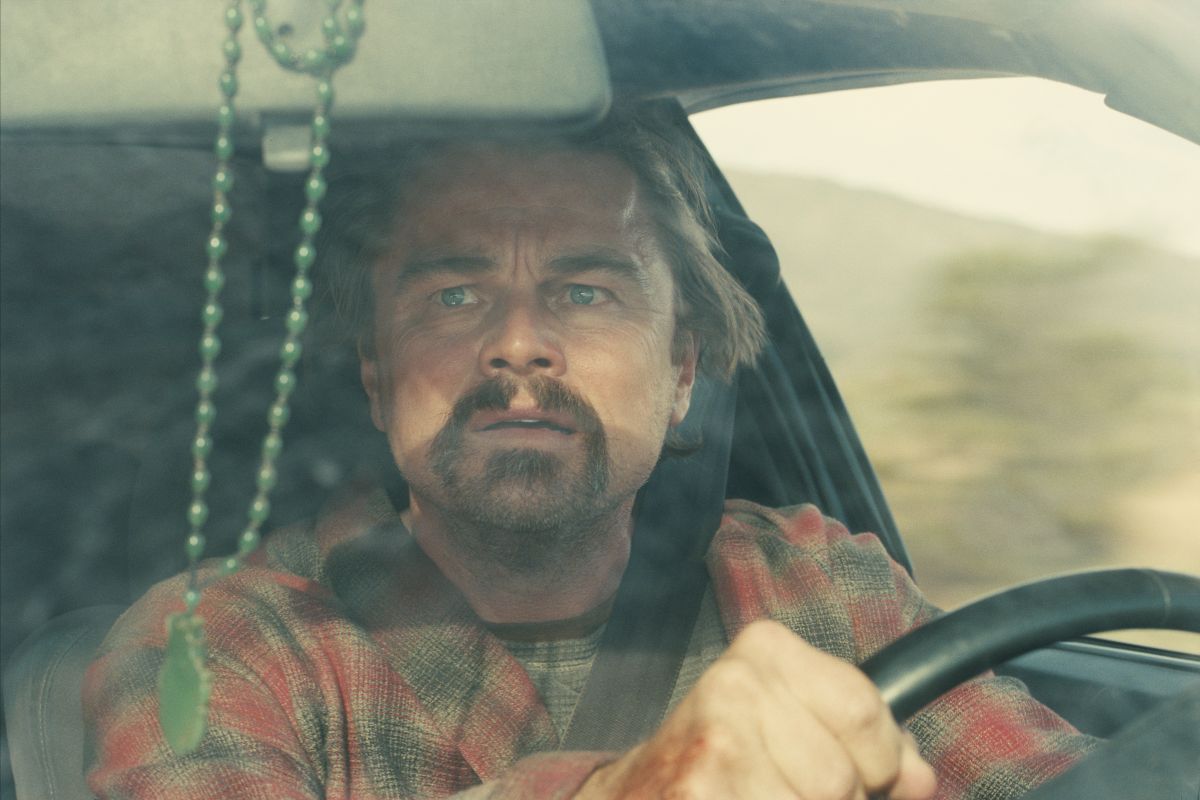
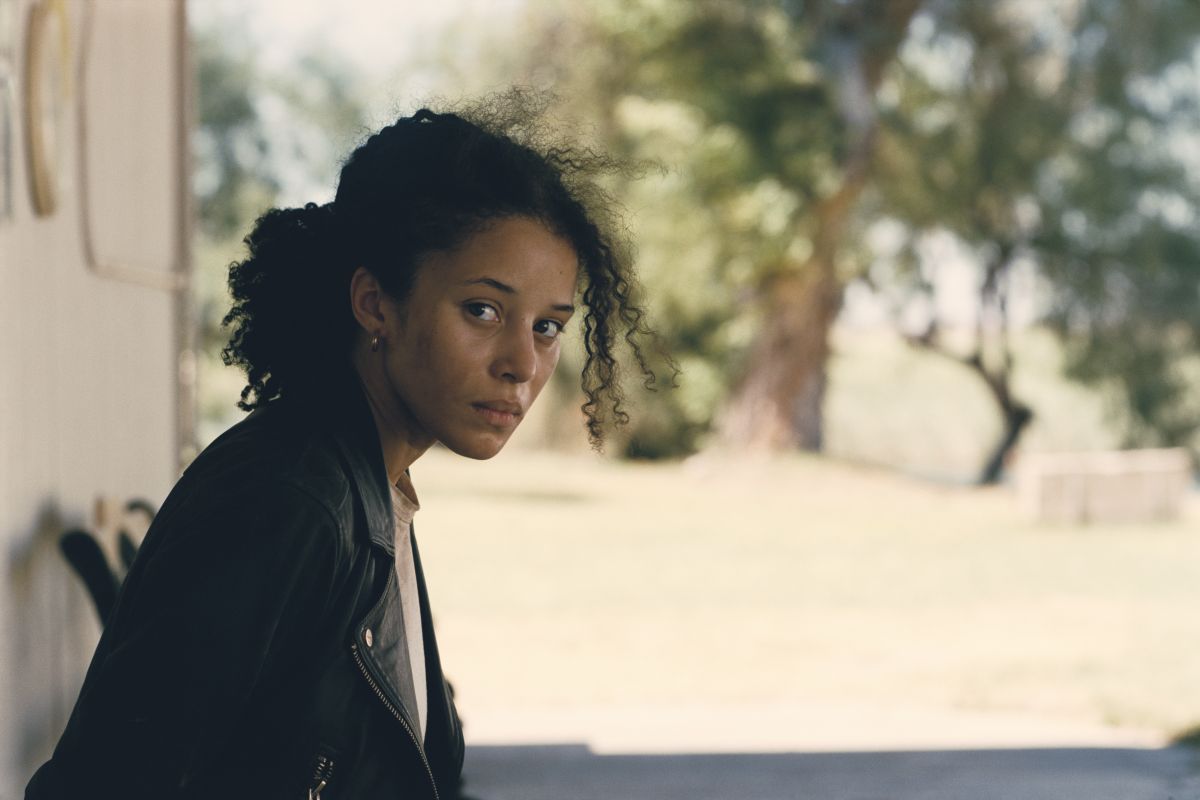
To wit: the very first title card in One Battle After Another reads “Otay Mesa Immigration Detention Facility.” A revolutionary outfit dubbed the French 75, led by husband-and-wife radicals Ghetto Pat and Perfidia Beverly Hills (Leonardo DiCaprio and Teyana Taylor), frees a truckload of undocumented detainees, one of a string of gleeful direct actions against the pig establishment. Unfortunately, Perfidia is secretly also carrying on a secret tryst with ultra-macho warhawk Col. Steven J. Lockjaw (Sean Penn); when shit inevitably hits the fan, Perfidia vanishes to the wind, leaving Pat and their infant daughter to lie low under the new names Bob and Willa Ferguson. Sixteen years later, Lockjaw embarks on a mission to tie up loose ends— including Willa (now played by newcomer Chase Infiniti, a perfectly named actress for a Pynchon adaptation). Bob, Willa, and their fellow dormant revolutionaries are forced to flee, as the streets of their sleepy Cali neighborhood are plunged into “World War fuckin’ Three.”
Perhaps the biggest surprise of One Battle is that Anderson, a director primarily known for cockeyed comedies, baroque dramas, and baroque, cockeyed dramedies, has turned out one of the most purely thrilling action pictures of the year. Anderson’s new title is accurate: once Lockjaw’s troops’ boots hit the ground, the pace barely lets up. Much of the action is comic, as DiCaprio’s middle-aged wastoid is forced to exert himself for the first time in decades (as in The Big Lebowski, we sense we are meeting a laid-back dude on the least mellow day of his life). But funny though they may be, the thrills are serious business, propelled by the crackerjack editing of Andy Jurgenson and Jonny Greenwood’s amphetamine-Mancini piano score. At my preview screening I could feel my seat jostled by people jumping down during the climactic car chase; later that night, my dreams continued apace in the film’s propulsive rhythms. It’s Mission: Impossible for the Sight and Sound set.
Anyone who’s read Vineland, or is at least familiar with Pynchon’s work, will understand what Anderson meant by that “impossible task” crack; the book is discursive even by its daffy author’s standards, careening freely between dozens of major characters, time periods, and literary genres (it flirts with becoming a kaiju story for a few pages, and ends in a literal jamboree). Anderson’s solution, a wise one, is to zero in on the most resonant thread— that of the sad-sack ex-hippie (named Zoyd Wheeler in the book; Anderson has curiously swapped out Pynchon’s trademark idiosyncratic character names with even sillier ones) protecting his daughter against the Nixonian ubermensch who stole the love of his life— and spun out a new, more cohesive story around it. The result is an emotional heft which is present in the source material, but easy to miss amidst all the gonzo media-satire madness.
Much of this, of course, is down to the actors. DiCaprio is reliably great, coming off a little like a Rick Dalton who never saved his neighbors from the Manson Family. Infiniti is even better in what seems fated to be a star-making turn, at once possessing a steely cool, a heart-rending vulnerability, and a drop-deadpan sense of humor. Benicio del Toro is a hoot as Willa’s ever-mellow karate instructor who runs a “Latino ‘Harriet Tubman’ operation” out of his home, barely breaking a sweat as he shepherds a frantic DiCaprio from one safehouse to another. Then there’s Penn, playing at once the funniest and most bone-chilling villain in recent memory. Penn plays Col. Lockjaw like a GI Joe version of Robin Williams’ Popeye, his entire body flexed into a perpetual grimace. He’s ridiculous, and Penn is having more fun here than he’s had in ages (I do not have the words to describe what’s going on on top of his head, but suffice to say he rivals Nathan Fillion’s Green Lantern for Most Absurd Hairdo of the Year). But the threat he represents is deadly serious, and the characters on the run from him know it. Lockjaw’s shock-and-awe tactics play like an encroaching hurricane, and no amount of giggling behind his back can veer him off course.
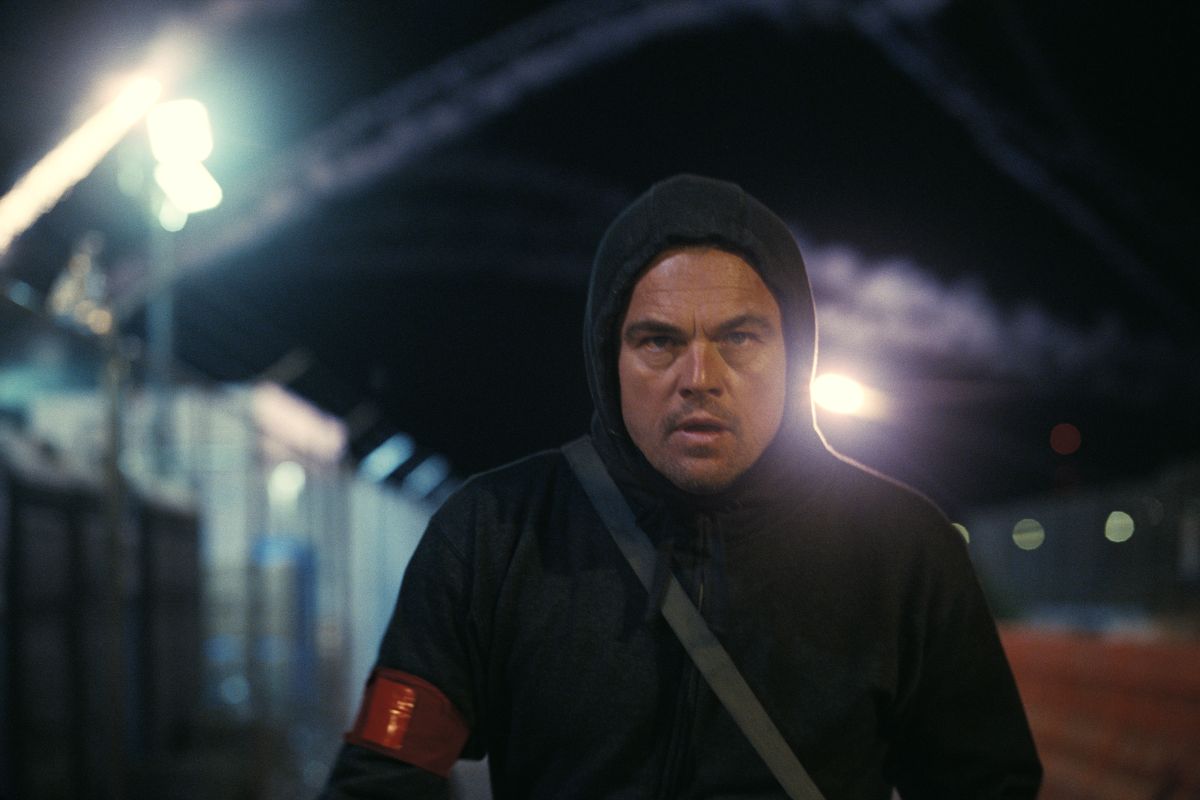
This highwire act between comic foolishness and terrifying, inevitable violence will likely feel familiar— at least, if you spend any time reading the news. In updating Pynchon’s period piece to the present, Anderson has created perhaps the first film to reflect what it feels like to cling to one’s sanity in the age of ICE, to acknowledge the absurdity of a government run by gameshow hosts and podcasters while also worrying that your friends and neighbors might be casually whisked to a concentration camp. As ruthless as Lockjaw is, I was even more unnerved by his superiors, a shadowy cabal who call themselves the Christmas Adventurers’ Club. The club’s sweater-vested membership presents itself as a boardroom of bland, avuncular men who discuss a sweeping, white nationalist agenda as if it were a quarterly earnings report. We know these assholes, read about them every day, roast them on BlueSky even as our lives rest in their soft, manicured palms. One Battle plays in this queasy incongruity, electrifying it into a three-hour entertainment of lunatic proportions.
And the fact that it is entertaining— fantastically so— is perhaps the film’s greatest marvel. When we hear “a picture of our times,” the image we get is usually of something like No Other Land or The Zone of Interest: unequivocally great films, but not exactly light popcorn entertainment. Here, the medicine goes down like candy, inviting us to vicariously throw a pie (or a brick) in the face of the bastards currently getting us down. That this brazenly anti-fascist action comedy comes at a moment when even a talk show host’s anodyne criticism of the regime is treated as a crime against the state enhances the film’s vitality, making it feel like Anderson got away with something by making it, and like we’re getting away with something by watching it. To borrow a phrase from the characters’ favorite anthem, the revolution probably won’t be televised, but every once in a while a spark will sneak onto screens anyway. In speaking so directly to its times, One Battle After Another seems destined to be the movie of the year. Fingers crossed it won’t have to feel so damn relevant for too much longer.
One Battle After Another
2025
dir. Paul Thomas Anderson
161 min.
Opens Friday, 9/26
Screening in 35mm VistaVision @ Coolidge Corner Theatre, 70mm @ Somerville Theatre, IMAX @ AMCs Boston Common, Assembly Row, and South Bay, and standard digital @ Kendall Square Cinema, Apple Cinemas Cambridge, West Newton Cinema, Alamo Drafthouse Boston Seaport, and AMC Causeway