In my eyes, the most famous and impactful leftie in the world is Ned Flanders. At least, that’s what seeing “When Flanders Failed” made me think when I first saw it on a syndicated rerun as a young southpaw. Creating a store for lefties make sense for representation, but the ground shifted when I realize that the world is created to benefit the majority’ of right-handers, so much that lefties may need to adjust physically (handling everything incorrectly or using the right-hand with enough adequacy) and behaviorally (sitting at the end of a table to avoid bumping their arm into someone else).
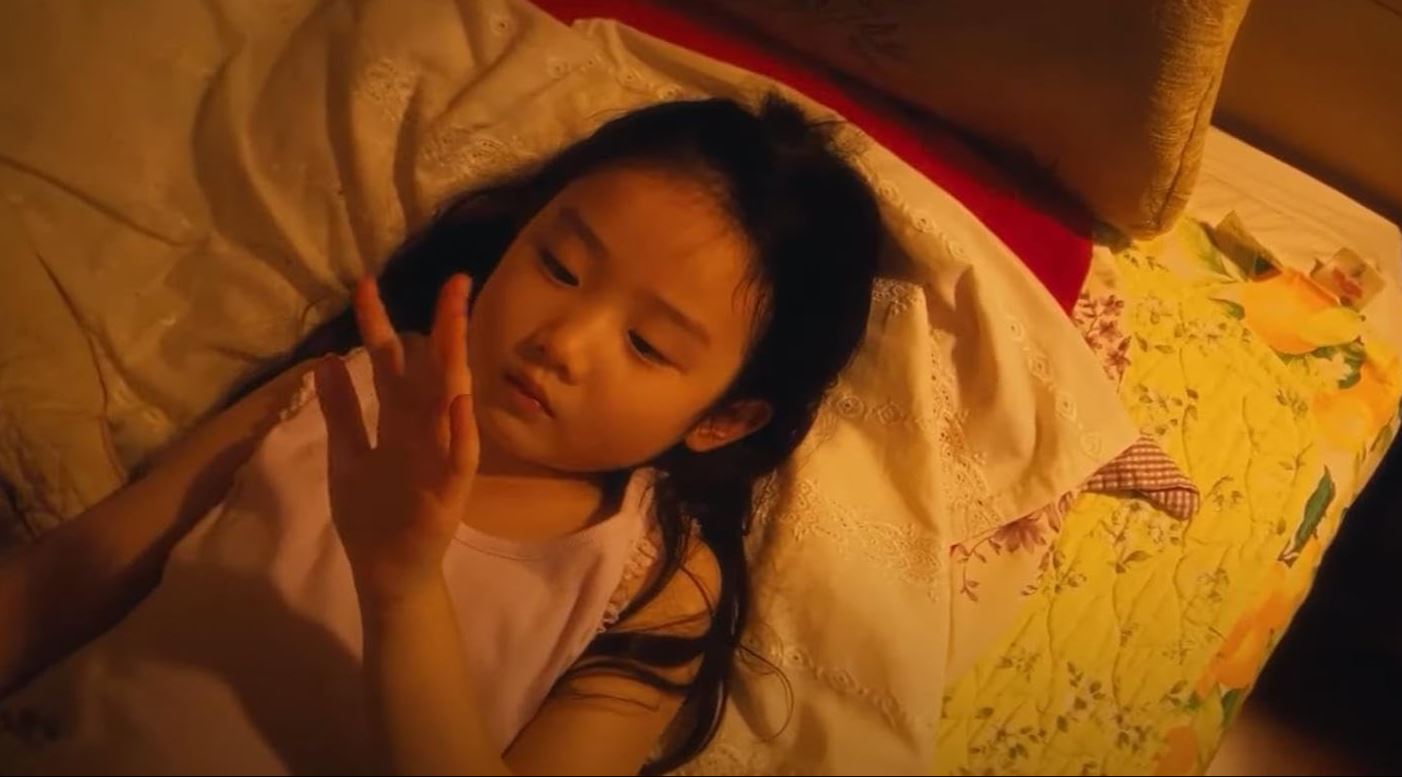
The Simpsons doesn’t get that far into the mud, but it had seemed monumental that Flanders, in his diddly piousness, was written to be part of a minority group. In most Asian cultures, being left-handed is seen as bad luck. A lot of households will force their children to write with their right hands, though success rates may vary. I know friends who know themselves to be lefties, but write with their right hands. My mom had tried dexterity conversion therapy with me once when I was doing my homework, and I remember switching back to my left hand after trying and eating a bowl of Doritos my mom gave me afterwards. In Left-Handed Girl, I-Jing (Nina Ye) is the film’s titular character, though it seems more apt to say that she is the movie’s openly left-handed girl. While the power of the superstition has eroded over time, it is strictly held by I-Jing’s grandfather, who curses at I-Jing practicing with the “Devil Hand.” You could see why Flanders’ handed-specificity had been particularly confusing for me before.
Left-Handed Girl is Taiwanese-born Shih-Ching Tsou’s first solo directorial effort, but it’s certainly not her first rodeo. As Sean Baker’s close collaborator since their first joint film Take Out in 2004, Tsou’s effect will feel extremely familiar. You might have spotted her as the dour-faced employee in both donut shops in Tangerine and Red Rocket, and she carries that vendor ennui to the stimulating sights of a busy Taiwanese street market. I-Jing’s mother Shu-Fen (Janel Tsai) runs a noodle shop, which seems to be busy enough for Shu-Fen not to watch I-Jing closely, but not lucrative enough to stop Brother Joey from hounding her for the late rent money. Shu-Fen’s oldest daughter I-Ann (Shih-Yuan Ma) is a high school drop out who works at a betelnut stand, which historically is a exotic vending stand for ogling cyclists. As long as she is above the currents, I-Ann doesn’t think much about her family. But she’s also emotionally immature, getting furious when her estranged, abusive father calls from the hospital from a terminal illness. Though Shu-Fen and I-Ann are often at odds, it’s bitingly hilarious when they visit him separately but share the same first sentence: “Now you can’t speak, huh?”
The film can feel like vignettes of three separate characters figuring their life in Taiwan. Because her ex-husband did not have any remaining family, Shu-Fen is responsible for paying for the hospital and subsequent funeral costs, deepening her financial crisis. Once known as the smartest girl in her class, I-Ann starts to feel the social lag when she encounters ex-classmates who are part of a university. I-Jing, who is briefly seen as being happy when she is at school, is troubled by her Devil Hand, but somehow gives herself permission to steal small things from shops if she uses just that hand. All three characters have high interest potential, but because of the difficulty in edit-juggling their stories, Baker (who helped co-write the story) and his methodology of pacing over character development, they don’t quite sink in the way that they should.
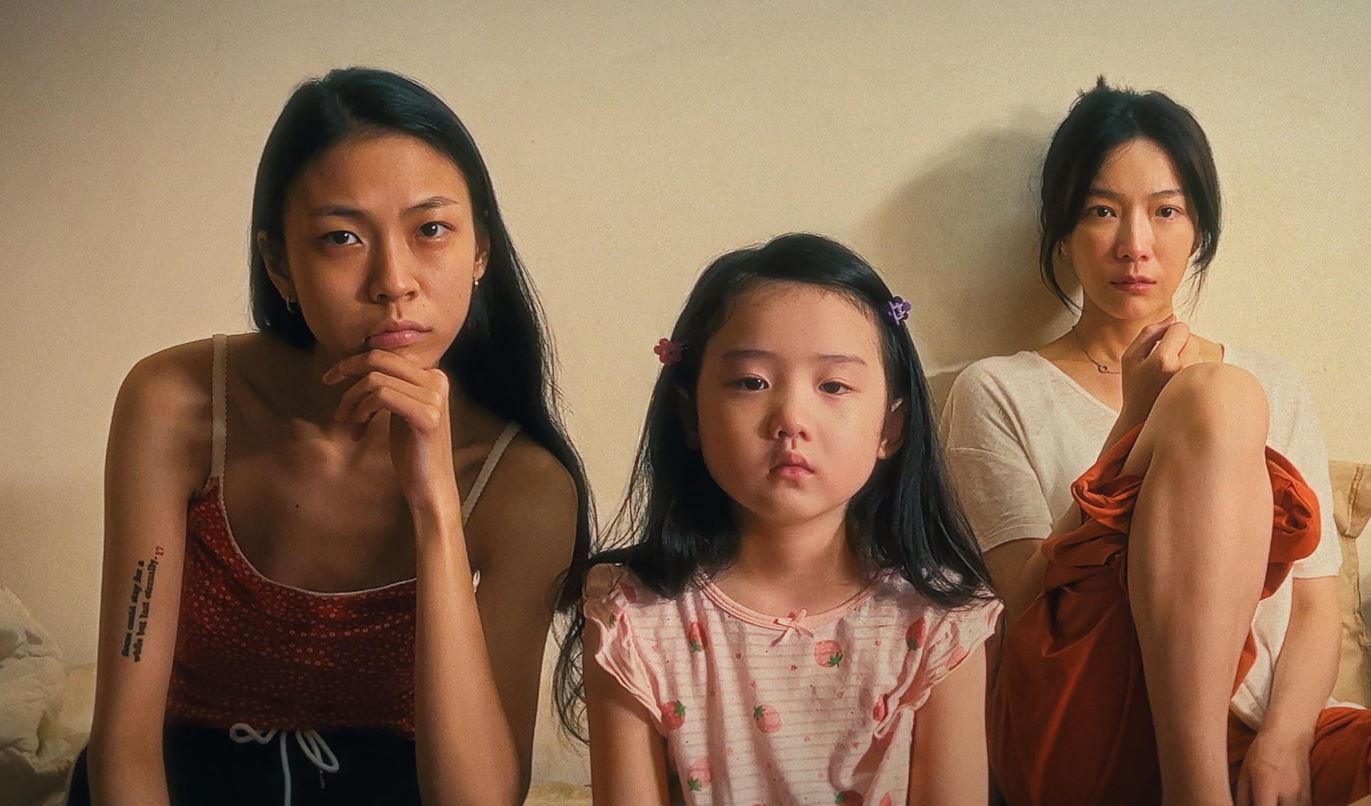
Nonetheless, having these characters fit in this small storyteller’s window is an endeavor worth commending. I understand these characters, and I think it would be especially harder for anyone not to feel an attachment to all three of them. Shu-Fen and I-Ann are at different levels of despair, and we fear that young I-Jing will reach a level of despondence at some point. But for now, we can enjoy that Ye plays I-Jing with absolute cuteness, bringing the spirit of The Florida Project’s Moonee that Brooklynn Prince had delivered with such ease. More importantly, time slows down when the three are together, which emphasizes just how important and valued it is when they get to be in the same room. All of their issues and attitudes in their lives feel miniscule for the better part of the film’s dynamic, like when they’re sitting on the couch watching the news about a motorcycle accident that I-Jing inadvertently caused.
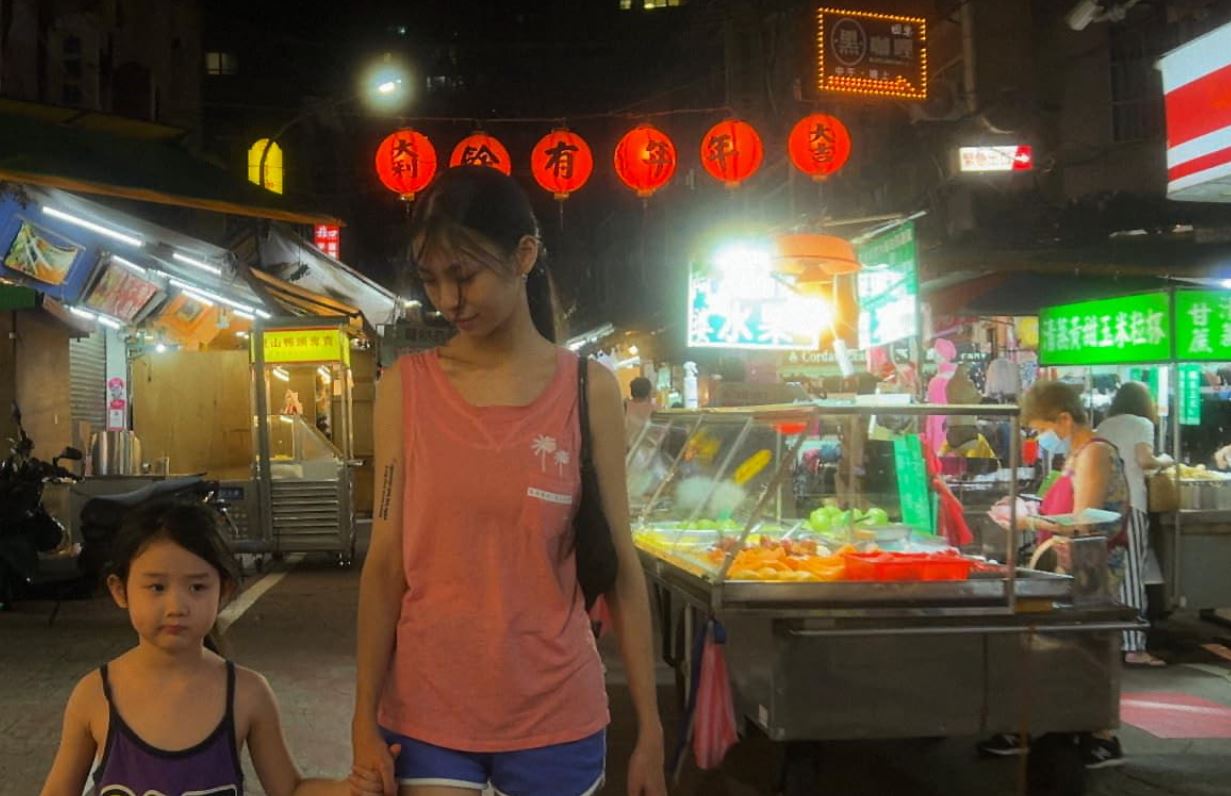
And, of course, that cinema vérité! The camera plays tag with the characters on the street level, whether they’re vendor-hopping or cruising down the moped lanes. The minimal interference of produced lighting on set is indicative of a Baker-Tsou production, alongside the movie’s choice to film entirely on an iPhone, just like Tangerine. And similar to Mya Taylor and Kitana Rodriguez, no gimmick can overshadow the drawing power of the cast. While Tsai has more experience in films, Left-Handed Girl hands the emotional baton to Ye and Ma to really bring down the house. As always, it’s exhilarating to see fresh faces electrify the screen, and I have no doubt that these two in particular will win many hearts over.
The film’s issue of I-Jing being left-handed is cleverly facetious; it deals with the double-faced expectations of saving face in families that can wreck devastation and adversity that the the idea of being upset over someone being left-handed seems ridiculous. But when you closely watch I-Jing’s left hand closely as she colors, it hovers over the paper. As lefties know, smudging has always been a significant source of pain. In the same breath, even when recklessness and insults are hurled across the screen, all of these characters float in social purgatory, waiting to anchor themselves to something real. Because this is Taipei and not the forward-facing dream bubble of American families, the eventual catharsis at the end might not feel as heartwarming as we could expect. But as a new day rises, I think we can expect that they will, too.
Left-Handed Girl
2025
dir. Shih-Ching Tsou
108 min.
Now playing @ Kendall Square Cinema
Streaming on Netflix 11/28