
If anyone were to make a comedy about confronting your torturer, Jafar Panahi might be one of the few living filmmakers that could do right by this emotional clashing. After being imprisoned for creating films that the Iranian government were not too happy about, Panahi writes It Was Just an Accident, the fresh-out-of-the-slammer film that the Iranian government will once again not be too happy about. “Fool me once,” the Ministry of Culture and Islamic Guidance may be saying now, shaking their fists at this film making its international stride.
Calling It Was Just an Accident a comedy might be an oversimplification, but there is no denying the high caliber of bemusement one will have in watching this. Panahi opted to keep the film’s premise a secret until its premiere at Cannes – partly for obvious reasons, but also because I can see why nailing the marketing on this might be difficult. Anora, last year’s Palme d’Or winner, was always going to be a crowd-pleaser, but being able to nestle it into a modern-day screwball comedy is such an accurate measurement. Outwardly, It Was Just an Accident may seem outrageous to laugh at, but Panahi’s lived experience for the absurd legal interference in Iran’s arts gives him the edge to make a piece of sordid affairs.
The first cruel joke: we first encounter an innocent-looking family traveling in a car that breaks down. The family consists of a man, his pregnant wife, and a young daughter. The man visits the nearest auto shop, and it is the mechanic on duty Vahid (Vahid Mobasseri), who identifies the rhythm of the man’s prosthetic leg and fears the worst: Eghbal, his torturer from prison, has re-entered his life. Without much forethought and in reasonable blind rage, Vahid kidnaps Eghbal and tries to bury him alive at a secluded spot in the desert. Also, understandably, we find ourselves in the same boat of doubt when “Eghbal” claims that he is not the guy Vahid claims he is, citing that the scars on his prosthetic leg are too recent to line up with Vahid’s years in prison. Add the fact that Vahid was blindfolded during his time but subtracted by Vahid’s wavering confidence that he would recognize his torturer’s peg-leg stride, and we have a crockpot of uncertainty in a high-stakes situation.
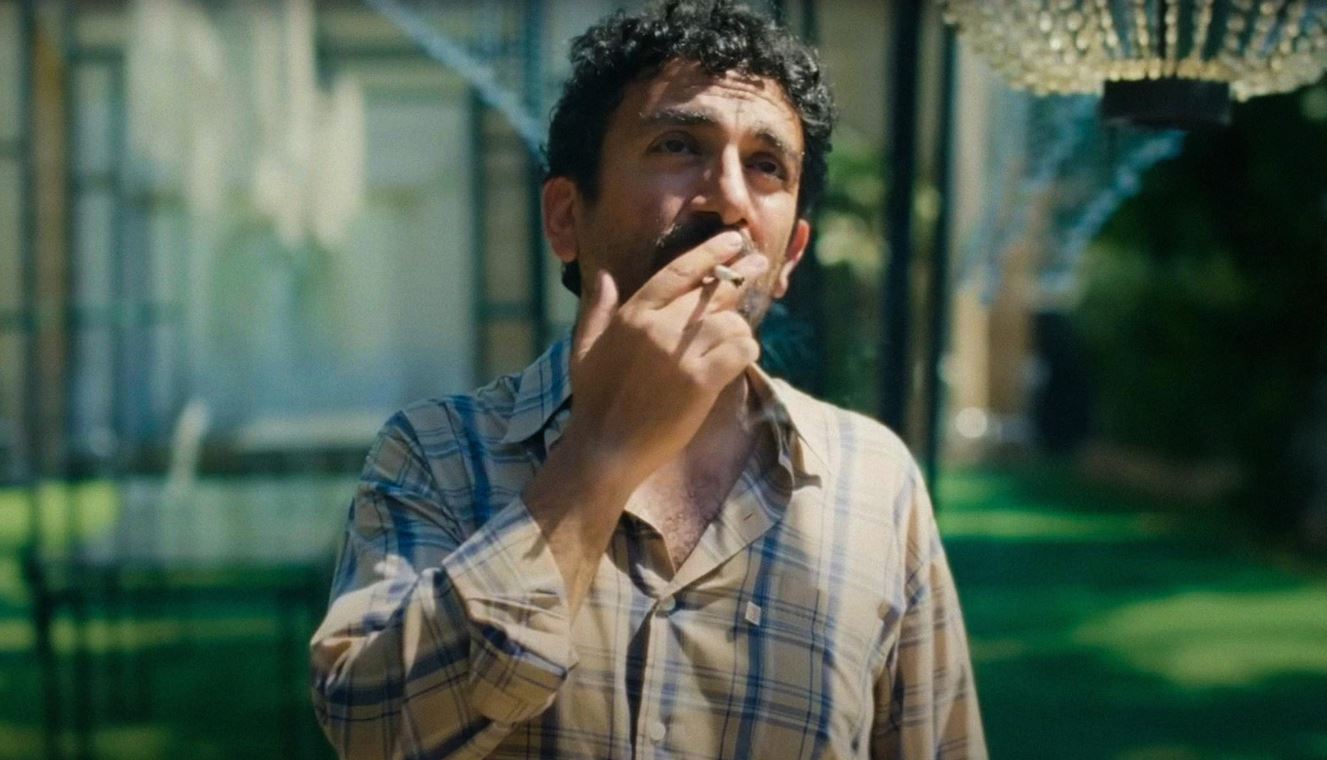
With a karmically blindfolded “Eghbal” tied in the back of his van, Vahid sets out to find fellow ex-prisoners who may be able to identify the man before finishing off his act of vengeance. Mobassarei, who somehow hones some physical aura of Bob Belcher amidst the chaos, recedes from the presumed leader position for the other players to shine in their angst and hurt. He first tracks down one of his co-inmates Salar (George Hashemzadeh), an older man with the prophetic warning that killing the supposed “Eghbal” would not heal any wounds. However, Salar points a direction towards Shiva (Mariah Afshari), a photographer who may be able to help. Coincidentally, Shiva is also with Golrokh (Hadis Pakbaten), a fellow ex-prisoner and bride-to-be on this fateful day.
Whatever the subject is, the roundup of different characters coming together for a single objective is my kind of ish. Call it reluctant teamwork or the group project of misfortune events or whatever name Thunderbolts* ended up being, but I think there is a particular skill in making sure that we can understand these characters’ differences as well as we know their motives. Bleak humor is certainly my passion (in my college writing class, I once wanted to write a fictional short story about a newspaper team fighting over what headlines to write when Chris Brown died in an airplane crash) and I knew I was going to watch this film with a smile.
Their reactions once they find out “Eghbal” in the van is enough entertainment to light up the theater. However, the dialogue can delegate to a quota of overexplaining the rights and wrongs in this situation, which subsequently can flatten the cast’s dynamics into bouncing opinions between each other like jurors. Nonetheless, the range of emotions from each member plays into the complexity of the situation and how they face justice if the opportunity showed up at their feet. The sequence of character introductions are placed in a hilarious, yet plot-sensible way: Shiva’s thoughtfulness, Golrokh’s wieldy anger on a day of happiness, and Hamid (Mohamad Ali Elyashmer, borrowing Jake Gyllenhaal’s wide-eyed, mustached madman expression), who certainly would have never wasted time to ask anyone else for confirmation had he encountered “Eghbal” first.
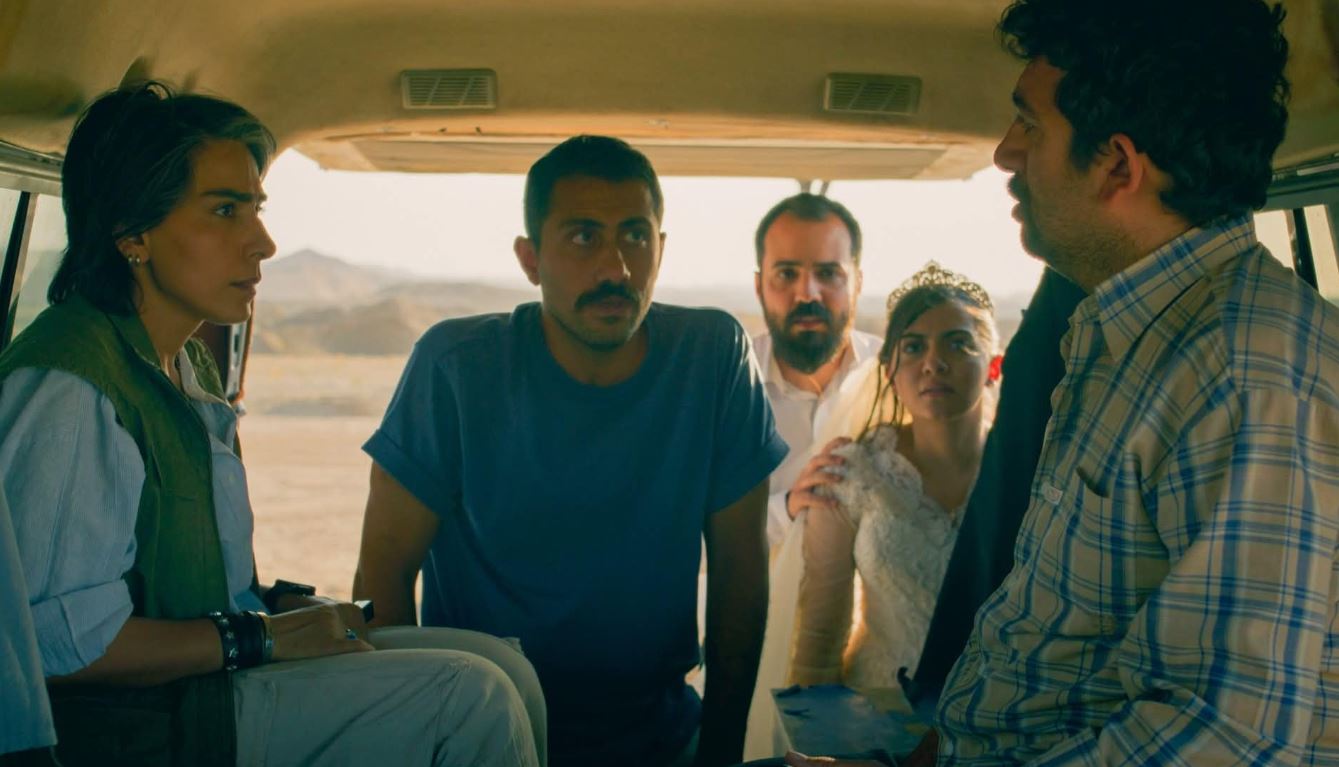
If production had to be clandestine, the film takes advantage of such. Even with the most relatively populated scene, in which Shiva goes to find Hamid and is literally pushed down in front of pedestrians, the shot is taken through the van’s backseat, as if such an act has to be normal enough to be done in public but may raise an eyebrow if a camera was pointed at it. Potential limitations in filming do not show on the screen, or it could be that Panahi is clever enough to write a film within the margins. A lot of conversations take place outside as to not feel trapped, and the vast backgrounds give it enough spatial accompaniment to making this dirty operation work. It also invokes a specific type of emptiness that these characters may be feeling long after their experience was over.
It Was Just an Accident is a star in the way that Anatomy of a Fall was: surprisingly compelling in its genre, with characters that couldn’t give you a straight answer about the right thing to do as much as their lived traumas could tell us about them. With his long list of films that got him into trouble, Panahi’s bravery is no fluke. But in its very problematic history and current profile, America’s probable embrace to this film won’t be an accident — just embarrassing.
It Was Just an Accident
2025
dir. Jafar Panahi
105 min.
Screens Friday, 1/2 through Tuesday, 1/6 @ Brattle Theatre – click here for showtimes and ticket info