
Among the fantastical imagination that drummed up a dead shark in a classroom and a homophobic leg stalking victims at cruising spots, the underlying magic of 2025’s The Secret Agent might be attributed to the recreation of the norm. Not just in the context of Brazil’s history, in which the consequence of dictatorship can be found in murders and political blacklisting, but of the normal people that can still exist in rather extreme circumstances. The characters featured in The Secret Agent aren’t individually louder than the plot points, yet their presence adds a surprising charm to the whirlwind surrounding them.
For a film fanatic like Kleber Mendonça Filho, it shouldn’t be a surprise that his absurdist touch is derived from the generation of filmmakers before him. In the early ‘70s, as Brazil’s regime’s seared into the population, filmmakers creating pieces of gaudy anarchy was a specific act of resistance against the film industry’s growing attempt to normalize the country’s censorship. Known as Tropicalism, the counterstrike to the Cinema Novo movement that started to support Brazil’s refined imagery to the rest of the world, this movement celebrated uniqueness of the layman. We could thank José Mojica Marins for his contribution to the “cinema of garbage” with his Coffin Joe series, or a fun little anti-colonist piece called Como era gostoso o meu françes (How Tasty Was My Little Frenchman, something that Mendonça may have referred to in the making of Bacurau).
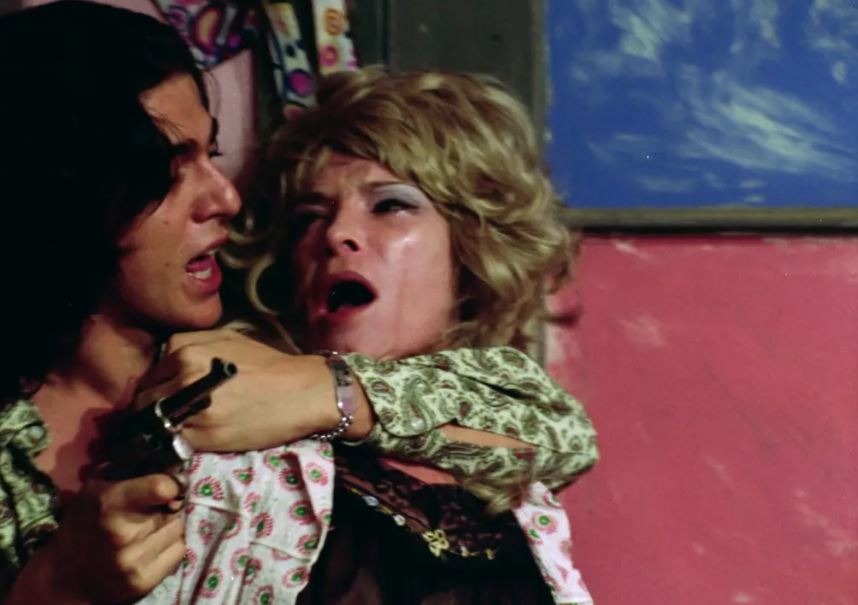
It should be no surprise that the queer community will find their place in this movement. In The Devil Queen, directed by São Paulo-based Antonio Carlos da Fontoura, the presentation of the trans drug lord Rainha Diaba (Milton Gonçalves) should be enough to bring devotees of the “be gay, do crime” psalm flocking to the seats. The film plays with the collision of the queer and straight communities in unexpected ways; Diaba successfully leads a pack of heterosexual henchmen who abide by her demands, both in dope distribution and in weeding out the bad seeds. Even as a couple of the men decide to plot an overthrow as they are threatened by Diaba’s cunning power, they opt to use her pronouns correctly. While I wouldn’t place The Secret Agent‘s cast in direct comparison to the full-beat faces of The Devil Queen, the latter still manages to keep their characters in line with street-level charisma in the name of mischief and naughtiness.
The overall effect of The Devil Queen seem to be an accurate reflection of just how camp these criminal activities can be in these masculine-based settings, highlighting the admiration of power among our enemies without necessarily orienting it to identity or sexual attraction. The capabilities of a trans woman being a baddie is pretty sweet and doesn’t feel like the punchline of a joke. The film verges on taking itself seriously or Seriously in drag. The music composition teases out tin-hat tinkling in conspicuous sneaking around, badgers the victims with grubby guitar riffs for the louder action scenes, and even has a winking spy theme song playing in the background during a police takeover. The murderous hijinks amplify in grossness as double- and even triple-crossing occur with the Diaba’s hive, ending in a perfect cinch of this movie’s silly-but-not-silly premise, tied with a bow with the Diaba’s flamboyant presence that stays consistent from start to end. Gonçalves’ performance of the character can’t be overlooked, but as the saying goes, if you aim for the throne, you best not miss.
The Devil Queen (A Rainha Diaba)
1974
dir. Antonio Carlos da Fontoura
100 min.
Screens Wednesday, 6/17, 7:00pm @ Alamo Drafthouse Boston Seaport