In the 1930s, as the United States grappled with the Great Depression and the Dust Bowl and the rest of the world lurched toward fascism and war, Americans flocked to a new genre: the screwball comedy. These films– lightning-quick, innuendo-laden (at least until the rise of the Hays Office) comedies of errors and manners– more often than not focused on the piffling troubles of the fabulously wealthy, sprinting through the palatial soundstages of the classic studio era dressed in elaborate gowns by Edith Head or Adrian. To forget their troubles, the common folk would spend their hard-earned nickel to fantasize about having so much money they could afford to be silly.
Today, Americans find themselves in similarly perilous straits, but as much as I love the screwball comedies of old, they’re not exactly what the 2022 doctor ordered. It’s no longer cathartic to look upon the glamorous lives of the elite; we already see too much of them scrolling through our various feeds. We want to see them taken down a peg, dragged through the dirt, eviscerated. To that end, Triangle of Sadness– the latest Palme d’Or-winning black comedy from Swedish filmmaker Ruben Östlund– is as much of a tonic for today’s soul as My Man Godfrey was 90 years ago. It’s brash, vulgar, often gleefully mean-spirited, and about as subtle as a brick through the window of Neiman Marcus– and it’s exactly what I needed to see.
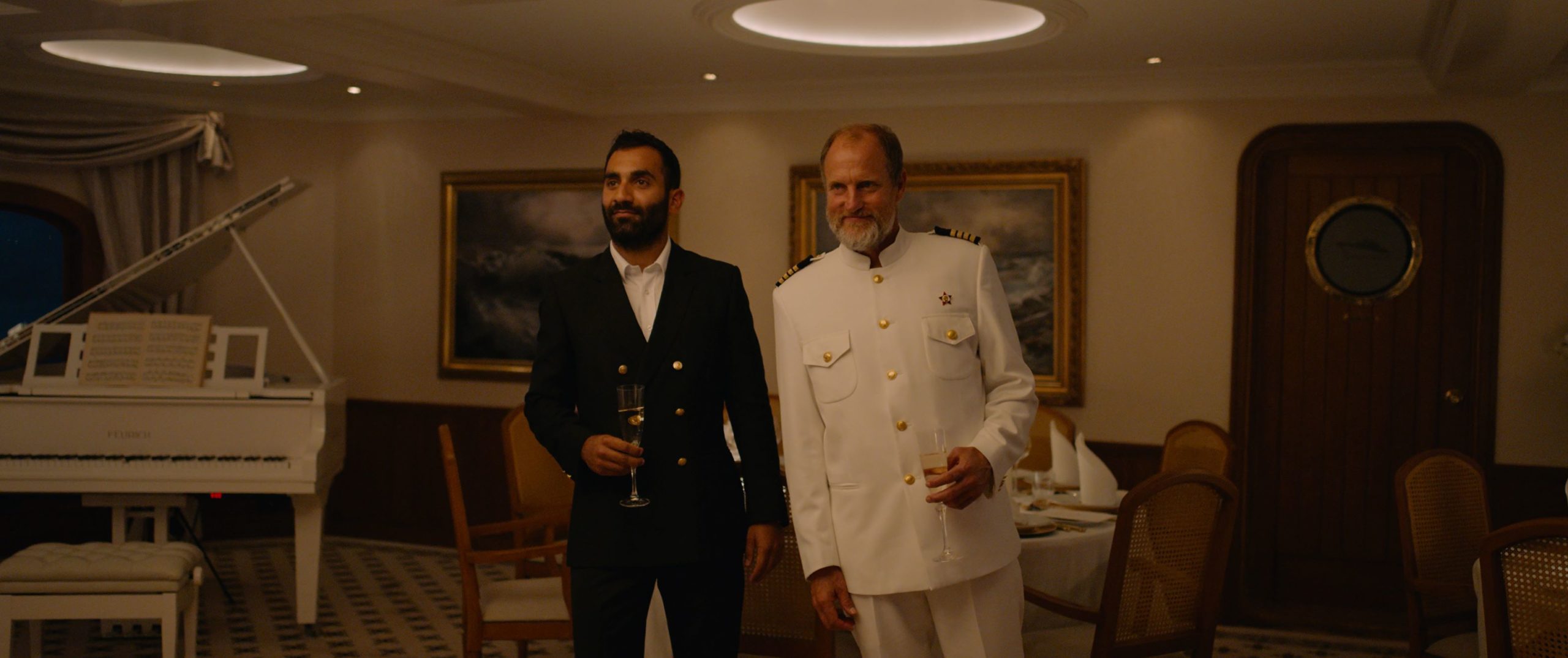
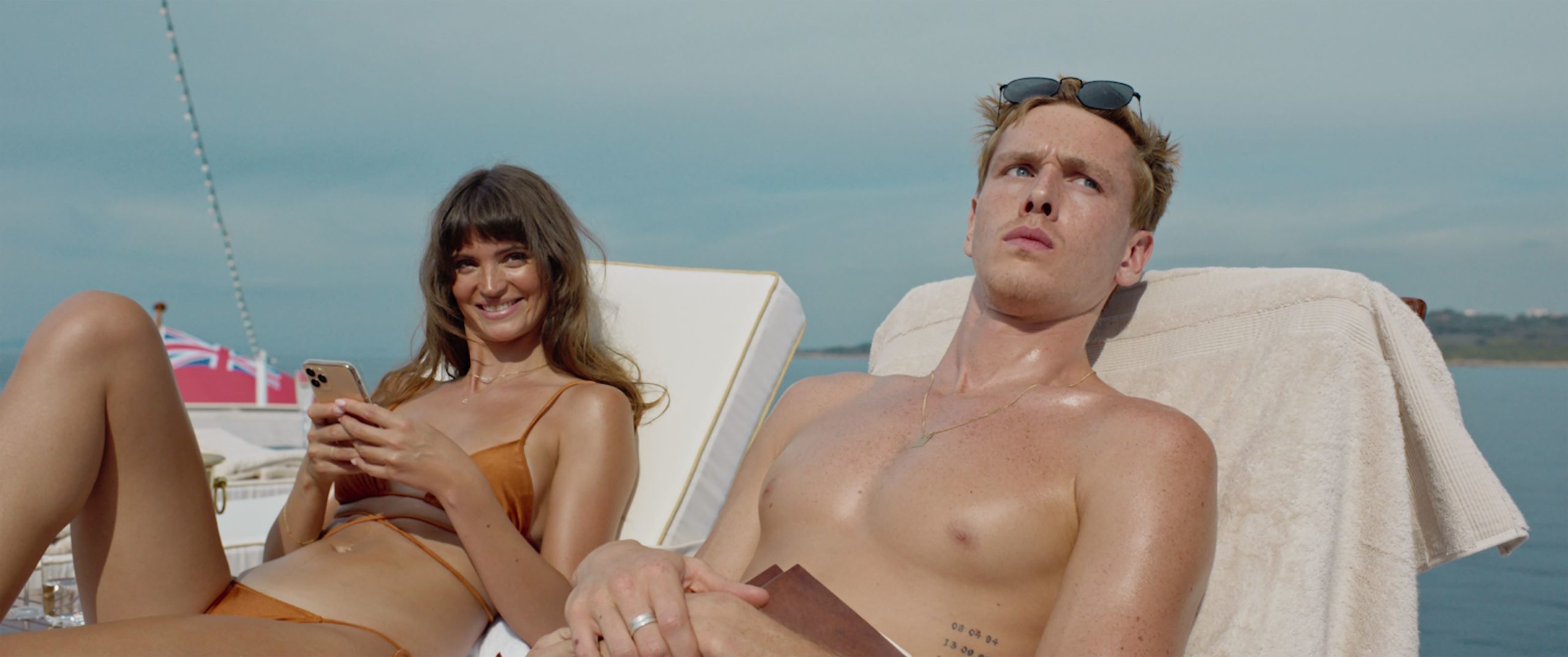
Triangle of Sadness takes place aboard an enormous luxury liner, packed to the gills with the ultra elite: vapid male model Carl (Harris Dickinson) and his influencer girlfriend Yaya (the late Charlbi Dean), whose relationship appears to be a constant power struggle as they strive for likes and freebies; Russian fertilizer oligarch Dimitriy (Zlatko Buric), a devout capitalist who strikes up an unlikely friendship with the boat’s captain (Woody Harrelson), an alcoholic American Marxist; a kindly old British couple (Amanda Walker and Oliver Ford Davies) who cheerfully explain how they made their millions in the arms market; and on and on, across the ship’s endless poolsides and dining rooms. The ship is staffed by a squadron of bronzed, Aryan gladhanders (led by Vicki Berlin’s Paula) chasing tips on the upper decks, while untold numbers of (notably brown-skinned) workers keep the ship running down below. The class divides are glaring, but all involved are accustomed to them, and know how to play them to their advantage.
If you were following the passengers on Instagram, the voyage would appear to be a dream– until a wave of food poisoning on a dark and stormy night abruptly turns the ship into a Boschian nightmare of moans, electrical problems, and fluids being violently ejected from the well-dressed guests’ every orifice (I should probably take this moment to warn emetophobes to stay far, far away from Triangle of Sadness). Improbably, things get even worse from here, and soon these tawny one-percenters find themselves confronted with a scenario where all their money and followers amount to less than the contents of one of their stingy, overpriced entrees.
Triangle of Sadness is a messy film in more ways than one, unafraid to digress from its main point and travel down side streets to skewer the pomposities of its wealthy subjects. The early scenes play almost like the bawdy digressions Shakespeare would use to draw audiences into his plays; consider the opener, in which a fashion photographer holds court on high-end “grumpy” brands like Balenciaga (who demand their models scowl into the camera) and affordable “smiley” brands like H&M (whose models always seem to be having a blast). But these scenes serve a purpose: Östlund forces us to wallow in these characters’ inanities and feints toward charity (as when a dowager “benevolently” demands the entire staff drop what they’re doing and swim for her amusement), making them feel as inescapable as they do in real life. It is only through spending an hour on a boat with these people that the film’s chaotic second act alchemizes from horror into delight.
Because man oh man, that second act. I’m honestly not sure I can express in words just how much of the film’s middle passage consists entirely of shit and puke. It starts slowly enough, with the ship’s dining staff doing their best to ignore the fact that the ship is listing sharply to one side during the storm (Harrelson, grinning cheerfully for the passengers while standing at a 45-degree angle, is a wonderfully silly comic image). Things escalate fast, and soon the cruise becomes a ballet of bodily functions, wordless save for the Captain (rescued from gastro-intestinal distress by his preference for a simple cheeseburger), who takes the opportunity to hop on the intercom and read to his ailing guests from Noam Chomsky and his own anti-capitalist poetry. The sequence is essentially the cinematic equivalent of the interlude from “Chemical Warfare” by the Dead Kennedys (with that song’s anarchic sense of humor intact), and it’s safe to say that few who see it will ever forget it.
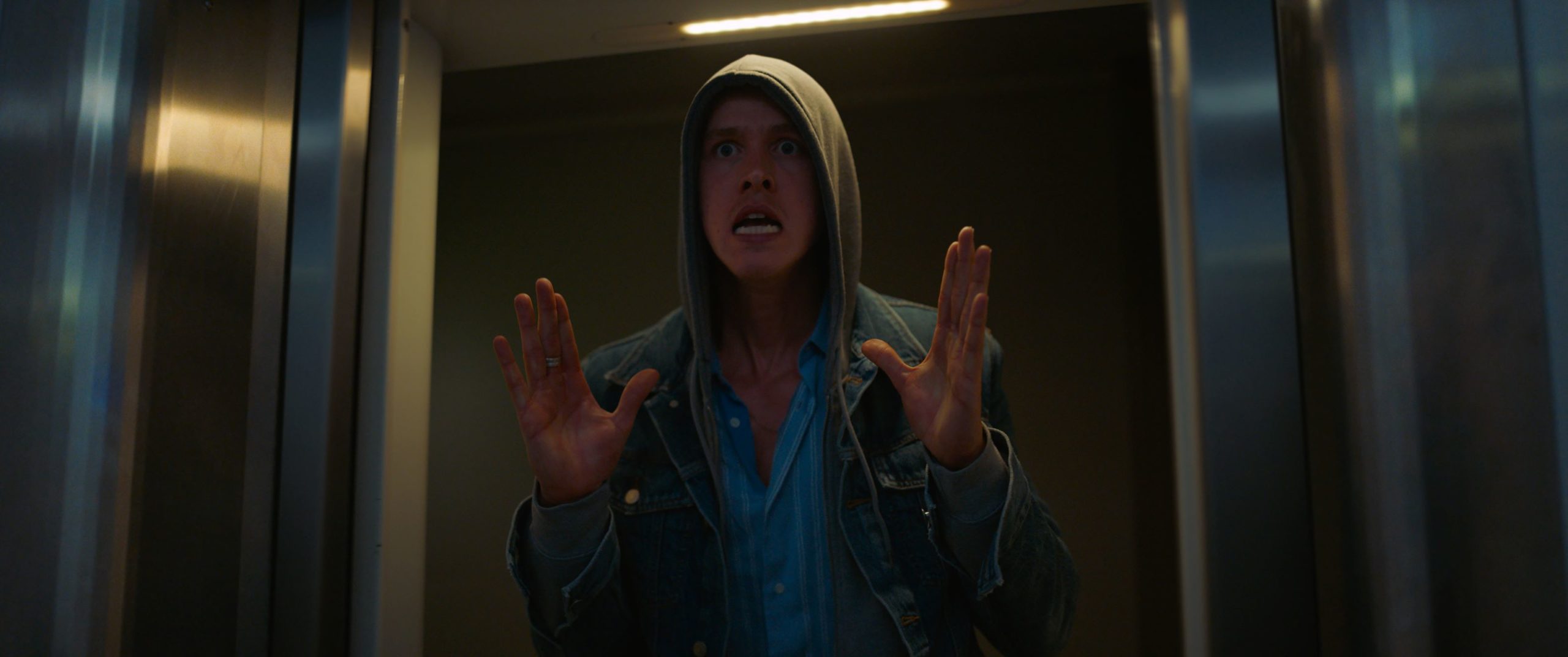
I’m hesitant to speak in too much detail about the events that follow this sequence, as much of the film’s joy comes from watching them unfold (I will say that the phrase “Why, I think that’s one of ours!” will echo in my head for quite some time). But I will say that the film’s commentary shifts into something almost lyrical, if no less biting. In the third act, Östlund puts the screws to his characters, examining the ways in which extreme circumstances might change a person, and the ways in which the hopelessly wealthy are well and truly beyond saving. He also potentially makes a star out of Filipino actress Dolly De Leon, whose previously unnoticed toilet scrub Abigail takes center stage and reveals herself as perhaps the most powerful person on the ship. It is a brilliant performance in a movie full of them, and one of the most indelible characters of the year.
Triangle of Sadness will not be for everyone; it may not even be for most. But like such recent international sensations as Titane, Bad Luck Banging or Loony Porn, and, of course, Parasite, it proves that world cinema is currently our most vital source of punk-rock anarchy. The targets of Triangle’s satire– the pretensions of the wealthy, the shallowness of the fashion world, the chintz of cruise culture– are not particularly difficult ones, but that doesn’t make them any less worthy, and I had a big, malevolent grin on my face as Östlund put them through the wringer. We are all captives on the SS Capitalism– and who hasn’t wanted to see the VIP ticketholders miserable and caked with excrement?
Triangle of Sadness
2022
dir. Ruben Östlund
150 min.
Opens Friday, 10/14 @ Coolidge Corner Theatre, Kendall Square Cinema, and elsewhere