Scott Derrickson has become a distinctive horror director. From Sinister and his V/H/S/85 segment “Dreamkill” to The Black Phone, Super 8-infused snuff scenes have become staples of his eerie, atmospheric style. In tandem, his creative partner—screenwriter C. Robert Cargill—conjures gruesome, haunting stories that feel as though they’ve been plucked from your childhood nightmares. And, up until this point, Derrickson and Cargill have remained bleak yet poignant in their approach to the genre, something that has made me an admirer of their work since seeing Sinister as a horror-hungry teenager at my hometown Showcase in October 2012.
However, in The Black Phone 2, Derrickson and Cargill offer us not a somber horror tale, but an icy, diabolical after-school special that oozes with campiness and delves deeper into the Blake family lore.
Set four years after The Black Phone, Finney Blake (Mason Thames) and his psychic sister Gwen (Madeleine McGraw) are in high school. Finney has become deeply traumatized since being kidnapped by and murdering The Grabber (Ethan Hawke), and, as a result, is perpetually seething. Gwen is ostracized for her supernatural abilities and feels further isolated as her psychic dreams become more frequent and violent. These dreams begin to show her several young, mutilated boys who were slaughtered at a dark, snowy Christian camp, Alpine Lake. When the Blake kids reach the camp to investigate during a merciless blizzard, Finney becomes plagued by phone calls from The Grabber from beyond the grave. To their horror, the siblings realize that The Grabber has become even more bloodthirsty and powerful in death—and is seeking revenge on them both.
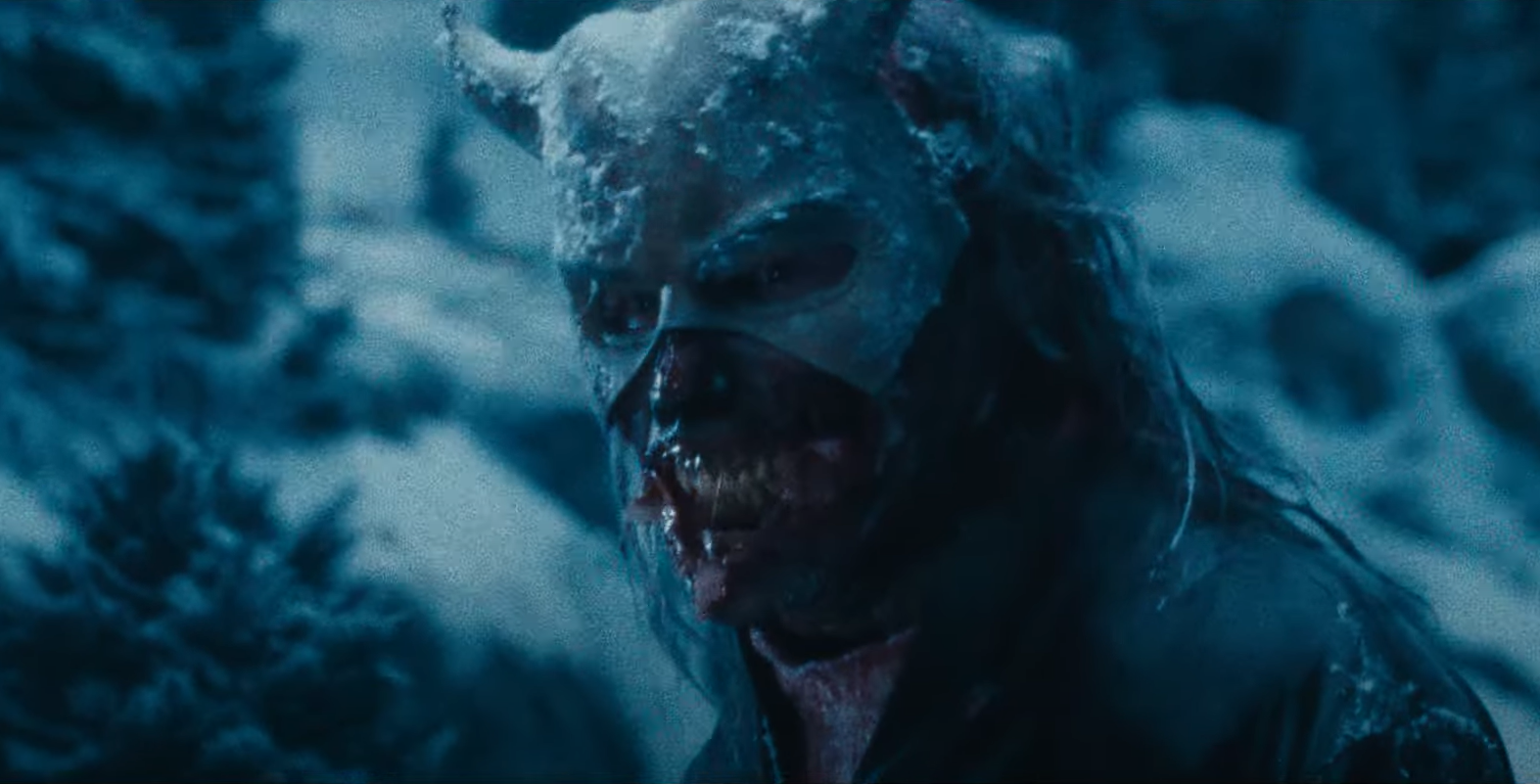
The Black Phone 2 is tonally different than its predecessor—if you are looking for a solemn sequel, you won’t find it here. While Derrickson’s and Cargill’s horror film is still very much there (the child murders and Gwen’s grainy nightmares continue to be remarkably disturbing), an underlying campy tone weighs heavy, especially in the showdown with The Grabber. 2 quickly becomes a “teenagers versus monster” film, much like Stranger Things or Nightmare on Elm Street, but in structure only. It doesn’t feel like a copy—it’s able to stand as its own original film.
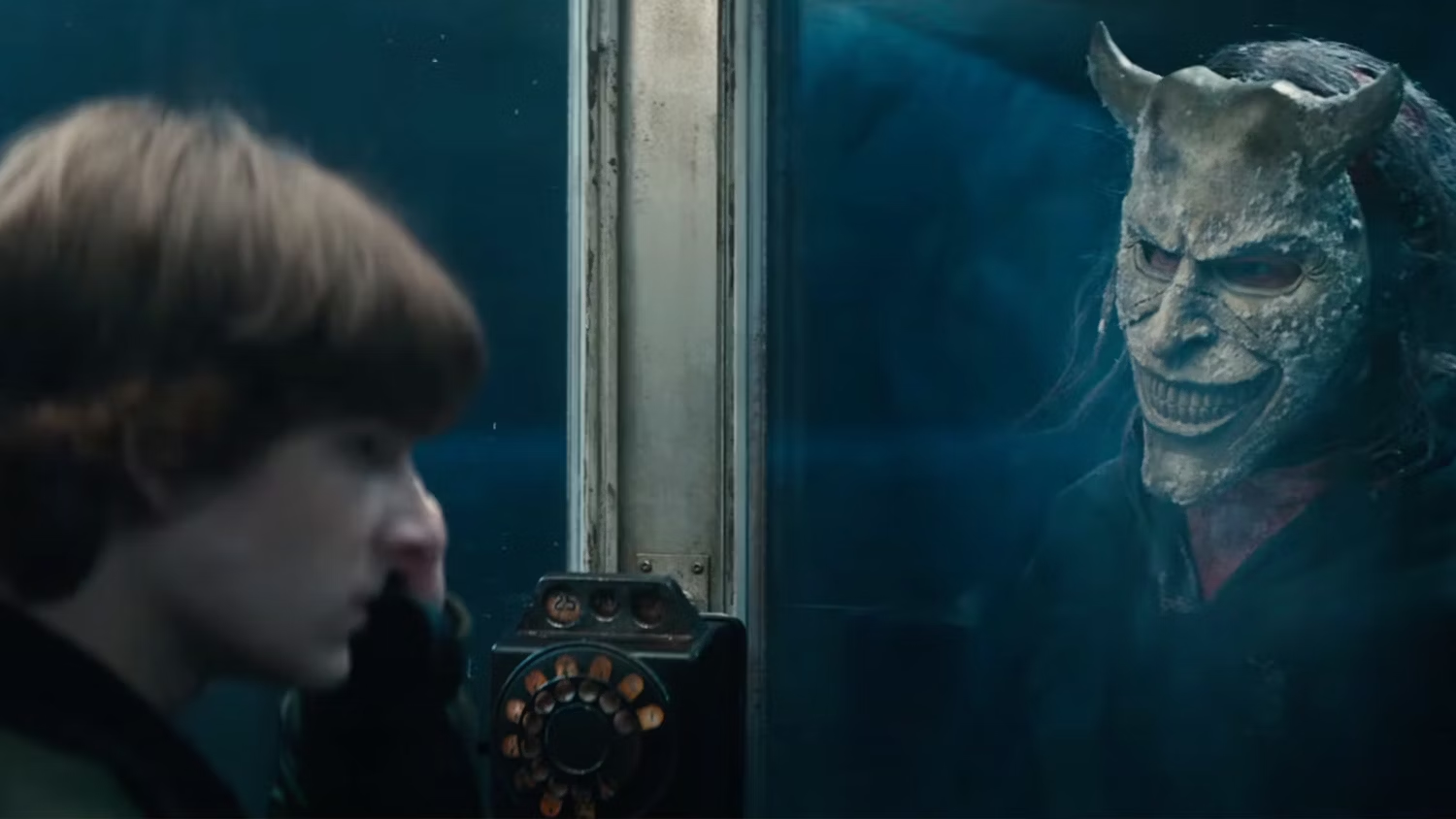
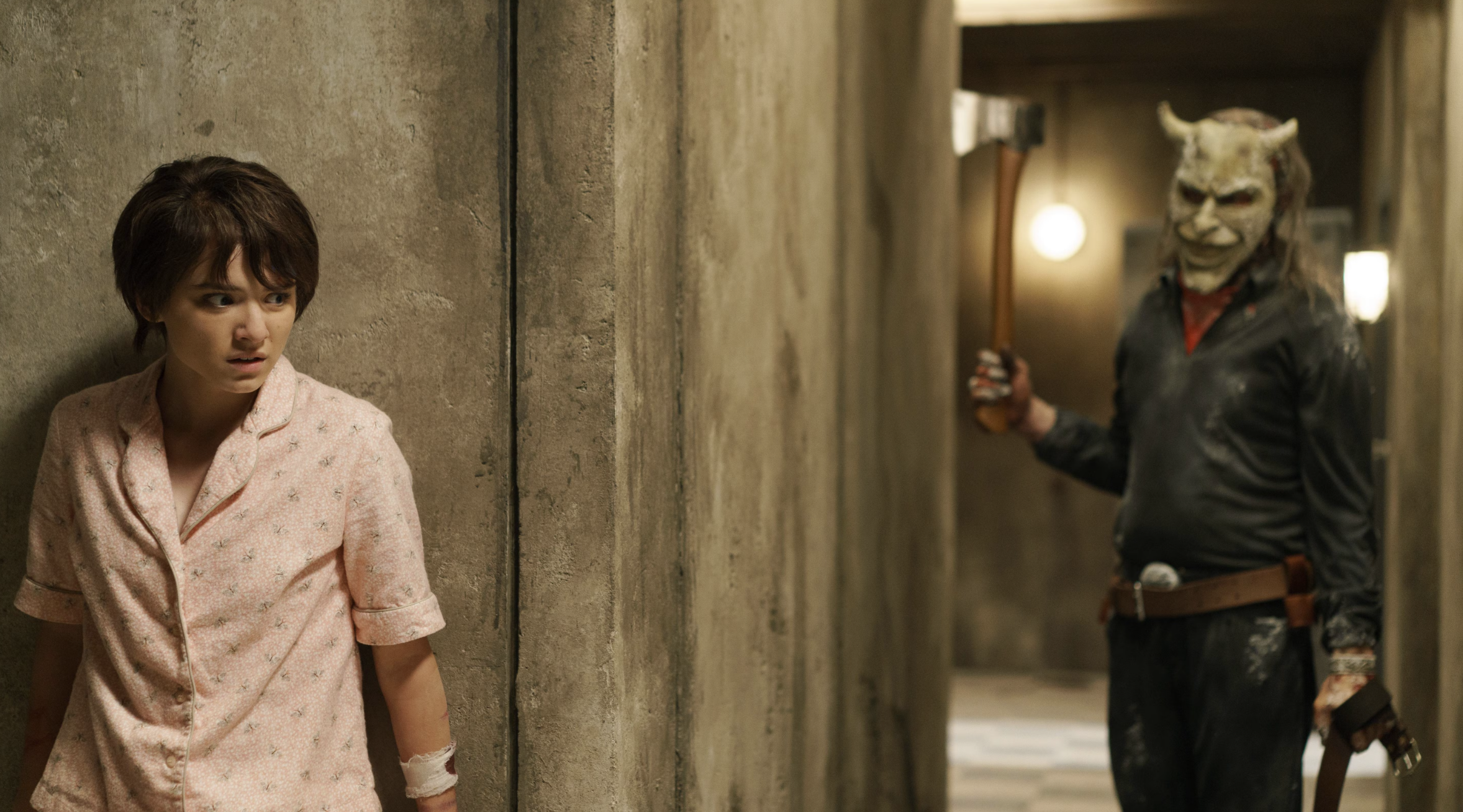
In death, Hawke’s Grabber has become unrecognizable; a modern Freddy Krueger, charred and flayed from the flames of Hell, taunting the Blake kids with every rage-filled growl he spews through bloodied teeth. Hawke leans into this campiness and embraces it—you can hear how much fun he’s having as he sneers at Thames’ Finney through the phone booth glass. You can see it as he creeps toward Gwen with a gore-slick axe, sashaying at her à la Jack Torrence. And Gwen has grown from an astute little girl into an audacious, sharp-tongued teen, amping up the insults that she fearlessly hurls at adults throughout the film. “Sanctimonious twat” and “cuntwagon” were standouts.
I would be remiss not to address the religious aspects of 2. It’s critical of Bible thumpers and extremists, but acknowledges the existence of Jesus, Heaven, and Hell; I appreciated Derrickson’s subtlety on the matter, still keeping Gwen open-minded and more “spiritual” rather than grounded in a specific frame of mind when it comes to her psychic abilities and what awaits us after we die. This is not an unfamiliar theme for The Black Phone—the afterlife was heavily discussed and hinted at in 1.
While some may feel jarred by the tonal shift of Derrickson’s sequel, it’s hard to imagine any other continuation of The Black Phone. The Grabber is dead, and the only way to bring him back is through the Blake family’s supernatural link. In doing this, Derrickson can further explore the characters that we’ve come to love from the first film. We see the evolution of Finney and Gwen’s brother/sister bond. We learn more about the Blake family and their deeper connection to The Grabber—and the shocking backstory of Finney and Gwen’s psychic mother, who died by suicide before the events of The Black Phone.
Campiness aside, 2 emanates a dark, comforting atmosphere characteristic of Derrickson’s previous horror works—an aspect that gives the film heart. Our original cast returns (including Miguel Mora), with a more-than-welcome cameo by frequent Derrickson collaborator James Ransone. Jeremy Davies also reprises his role, playing Gwen and Finney’s now sober father, Terrence. The chemistry here is palpable; we feel like we’ve grown with our characters since the first film. And, as I did back in 2021, I must commend McGraw. Her balance between comedic and visceral performance creates a highly lovable and well-rounded character in Gwen.
Derrickson and Cargill especially excel in their music choices when creating the film’s mood, a hallmark of their previous works.
In 2, Atticus Derrickson offers a synthwave-infused score that adds to the film’s nostalgic atmosphere, playing homage to Mark Korven’s deeply unsettling soundtrack from 1. Pink Floyd’s music makes a reappearance, tracing back to its usage in the previous film. Possibly my favorite scene is the kids driving through the blizzard to Alpine Lake; Finney smokes a joint in the shadows of the backseat, looking worriedly out the whited-out window as “Another Brick in the Wall, Pt. 1” plays. It harbors a twisted feeling of hope and dread that lures us into the film’s climax.
My biggest gripes with 2 are the lack of a link to the source material and the desire for more detail about its supernatural elements. Yes, we retain Joe Hill’s characters from his short story, but I would have loved to see a stronger connection between the book and the film. We get a new name for The Grabber, but not the one that’s revealed in Hill’s work. I was waiting for the name “Albert Shaw” to drop, but it never came. And—though we learn more about the Blake family and their surprising connection to The Grabber—we still don’t understand the supernatural nature of the phone, and why only Gwen, Finney, and The Grabber can hear it ring.
Still, The Black Phone 2 is a chilling, worthy sequel to the beloved 2021 film, rich with heart, wit, and gruesome kills. Its campiness creates a memorable, enthralling watch that sucks you in and encourages you to continue to care deeply about its characters.
The Black Phone 2
dir. Scott Derrickson
114 min.
Now playing at Alamo Drafthouse Boston Seaport and all local AMCs.