
I have seen Sinners three times now, which is the most I’ve ever seen a film within its initial theatrical release (other records: probably the most I’ve ever rewatched in one year, the first heterosexual spit-drop I’ve seen, the most I’ve ever liked MBJ, etc.). On each watch, there’s a small pit of worry that the jig will be up and it won’t be as good as I remember it. Luckily, what makes Sinners feel fresh every time is that it doesn’t rely on a single genre outfit to keep it entertaining. When I describe the movie to others, “vampire” is probably the fourth descriptor in line.
Simply put: monster-adjacent films are fuckin’ awesome. The looming shadows of our monsters provide a layer underneath whatever societal darkness has occupied the film so that when they rise to the surface, they don’t overpower the rest of the film. When I think of A Girl Walks Home Alone at Night, I think of its noir aesthetic, Arash Marandi as a dreamy James Dean, and nighttime skateboarding. Being a bloodsucker is undeniably a nuisance, but even in A Girl Walks Home…‘s slow-ish pace, there is so much going on in the visuals and plot that it’s not just a vampire movie.

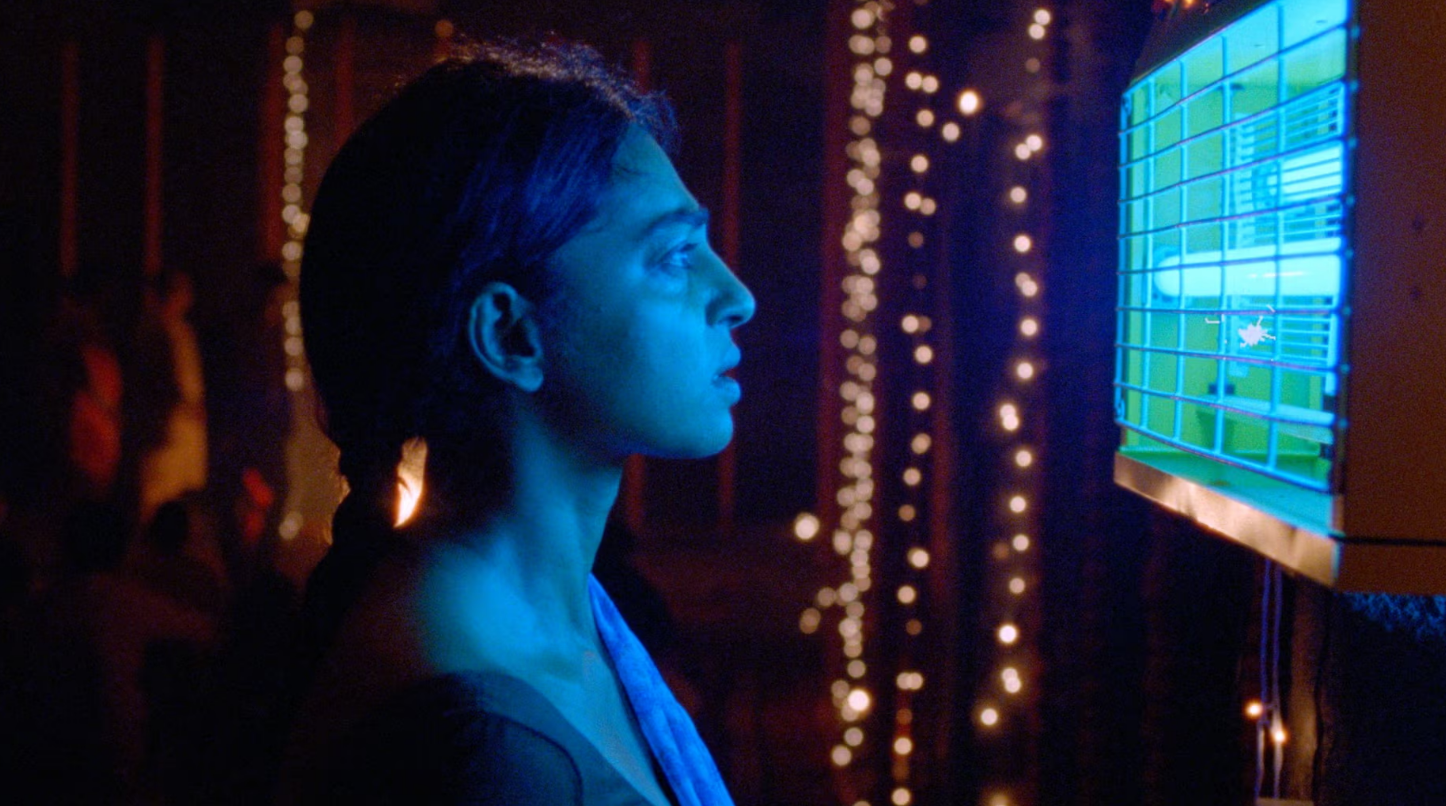
This is absolutely the case with Karan Kandhari’s first full-length, Sister Midnight. By the time you figure out that the main protagonist Uma is a vampire, it seems inconsequential to her bigger issues: the frustrations of domestic life in an arranged marriage. Played by long-time indie actress Radhika Apte, Uma carries the film’s gravitas on her back, as we find her loneliness, grievances, and bemusement centered in most of the scenes. This also pertains in a physical sense; a lot of Uma’s reactions to life around her new Mumbai home is face-fronting to the camera. There is no hidden emotion in Uma’s experience, making it easier to fall into her her dead-end grooves as she learns to run a household of two (the other being her husband Gopal, played by Ashok Pathak). When she realizes that satisfaction is unattainable at home, she scouts out for excitement, which includes a four-hour walk for a graveyard shift as a custodian. It may sound mundane, but Uma’s feisty exchanges with other women and Gopal make it feel so likely.
The droughts of a portrayed unhappy marriage can often feel dry, but Kandhari unites a unique set of hands that go beyond the plot development. Napoleon Stratogiannakis makes lightning-quick editing choices to allow jokes to speak for themselves, like Uma’s stationed boredom in the house suddenly cutting to her knocking on her older neighbor’s door for housewife companionship. Cinematographer Sverre Sørdal revels between the vibrantly colored clothes and sheets that decorate the residences’ exterior and a nighttime dusk that blankets after-hour walks and night owls’ rendezvous. The environment in either setting ostracizes Uma from her surroundings, sometimes with humorous effect as her life descends into an unbearable being of monotony.
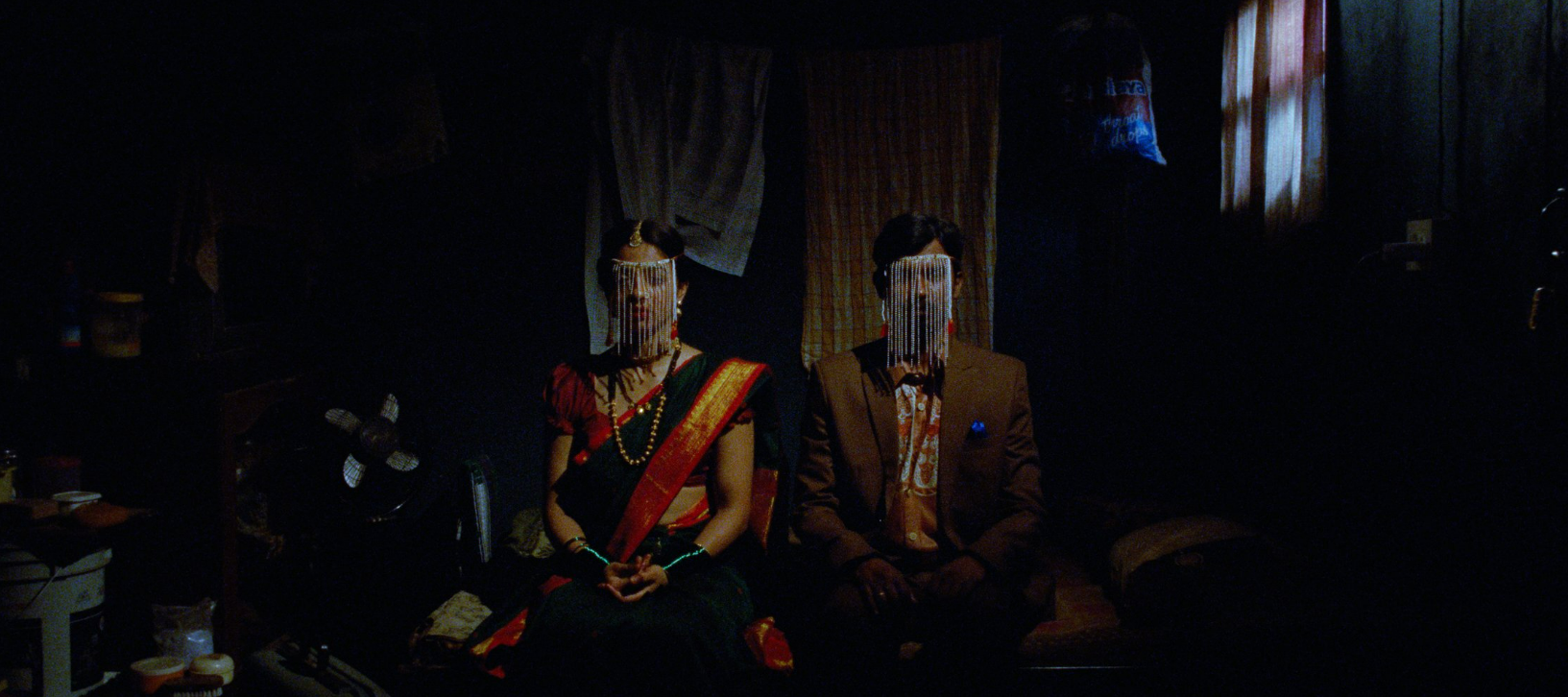
Another especially important distinction is Gopal, a somewhat reserved man who seems to be between intimate negligence (he cordially shakes Uma’s hand and tucks himself underneath the sheets when she, naked, is waiting for him in bed) and wanting the best for this marriage. Patriarchy would presume Gopal as the dominant figure, but for the benefit of the film, Gopal is just a shy man trying to figure things out, too. There is a scene where Uma and Gopal have a spat about Uma’s weekly spendings; when Uma admits to not knowing how to run a household, Gopal draws out a calendar to help visualize how much money can be spent a day. He’s not entirely perfect, but I’m glad that they didn’t dehumanize Gopal into the faceless male oppression.
The film loses itself at its final scenes where Uma’s eventual turn catches the attention of other villagers (God forbid someone run experiments on resurrecting dead animals). But every character, however judgmental and far gone in their routines to imagine a different way of living, wastes no time on the screen. Sister Midnight might be a story about friendship, a story about finding yourself, and a story to laugh in a crisis of identity. By the time we get to “vampires in Mumbai”, we might have already been worried about other things by the time Uma gets into the sunlight.
Sister Midnight
2024
dir. Karan Kandhari
107 min.
Opens Friday, 5/30 @ Alamo Drafthouse Boston Seaport