
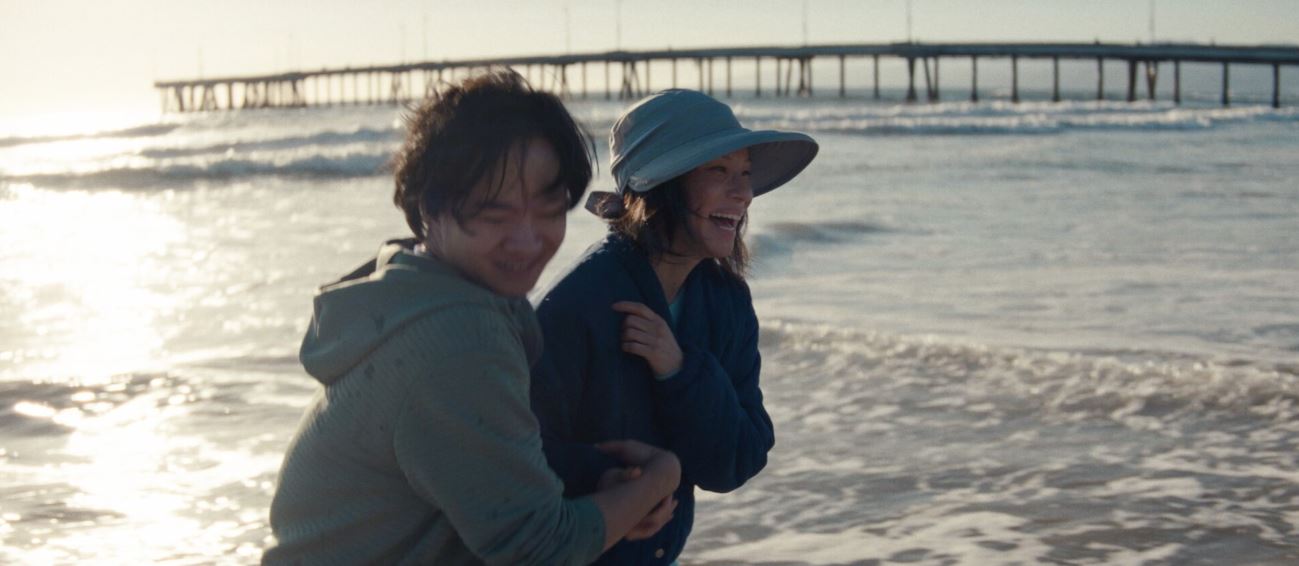
The story of Eric Lin’s Rosemead, based on a news column written in the Los Angeles Times, could have been told in many different ways, either dimming or flourishing the lovely and not-so-lovely parts of a relationship between a dying mother and a son with schizophrenia. It’s a movie of gloomy circumstances, so much so that its engine could have run on the power of fear, then translated into hatred and violence, that we see so carelessly displayed from our community. But Rosemead sticks to a more thoughtful, modern approach and intersection between mental illness and culture. Somewhere in the dark, there is a small light in knowing that there are people who are trying to get it right.
Irene (Lucy Liu) and her son Joe (Lawrence Shou) live in relatively peaceful coexistence in the San Gabriel Valley area, despite the troubles that ail them individually, including the death of Joe’s father. While awaiting the results of an experiential drug trial, Irene tries to put up a strong front for Joe by not revealing her cancer’s return. Instead, she focuses on making sure that Joe adheres to his treatments, both the pharmacological and non-pharmacological therapy sessions at the city’s community center. However, as great of a kid Joe truly is, he’s also a teenager, convoluted with hormonal changes and inexplicable thoughts that are hard to parse out. When he starts to skip taking the full dose of his medication, we might lean towards forgiveness of adolescent error.
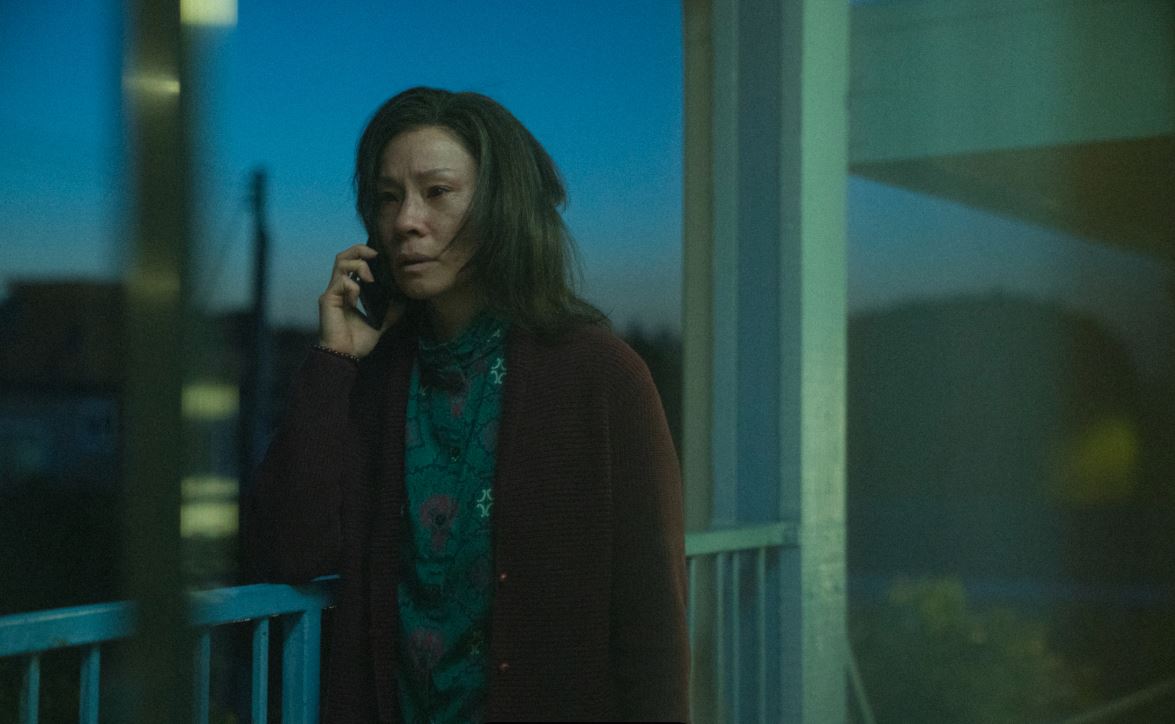
The incoming tragedies in the blueprint aren’t set up in an obvious domino effect that other movies may have done. In fact, I found a sort of surprising tenderness in Rosemead’s belief that kindness surrounds us, filtered and unfiltered. Irene tries to perceive Joe to the best of her understanding as an immigrant widowed mother working two shift jobs, and meets him with love. Joe reciprocates that love, as much as an Asian male teenager can. Outside of this home, there is also a touching sense of camaraderie from the community, whether it’s Joe’s friends or Irene’s sister looking to make the best of the situation.
Avoiding ham-fisted exposition, Irene’s Chinese-American culture informs how this story unfolds, and the corners she finds herself in. There is no one monolithic explanation for Irene; she works at a herbal store and believes in the medications that she and Joe have to take to help themselves. She is dismissive of talking feelings out, insisting to Joe’s therapist that she could never understand their lives. Down to the last scene, Irene operates with her configuration of right and wrong and unconditional compassion for Joe, even when it passes the point of no return.

Amidst the capes and cartoon universes in recent years, Liu had reportedly worked on this project since the pandemic, and her efforts come across carefully and clearly. It’s a quiet story in the sense of dramatic flairs, but rarely does she or Joe raise their indoor voice even though they have every expressive right to. I think Irene’s characterization could have been steered towards stereotype, but it’s laid down in such a sure way that I could imagine quite a few women like Irene will appreciate this kind of representation.
However, it’s important to note that while we’re given the details to inform the drive behind the characters’ actions, the movie doesn’t condone the events that transpire. I could also understand some hesitancy behind presenting Joe’s symptoms and the inaccurate ties to mass violence. I would not anticipate this movie to fully represent people with schizophrenia, but it still makes an effort to show the person living within. Though it may not be universally liked, Rosemead looks you into the eye to tell you a story about real people dealing with real things.
Rosemead
2025
dir. Eric Lin
97 min.
Opens Friday, 1/9 @ AMC Boston Common