
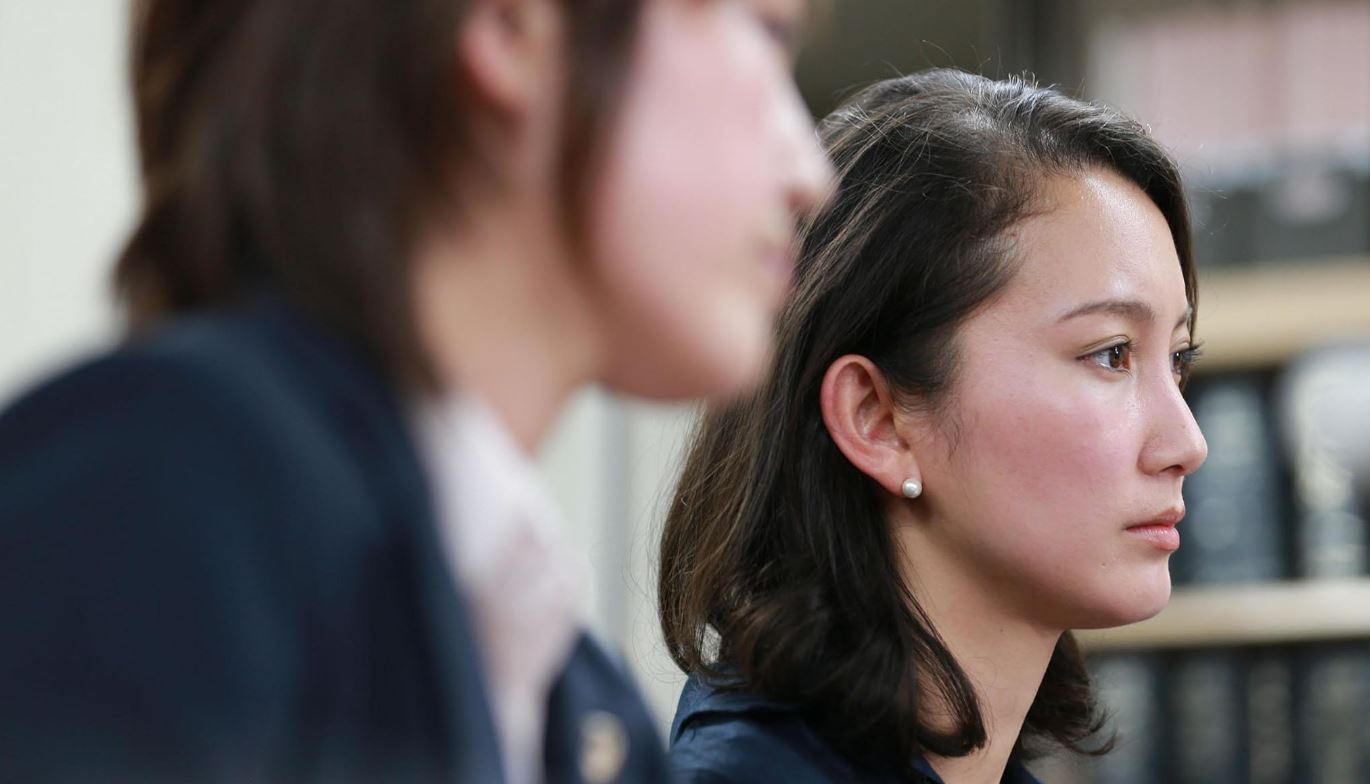
In Japan, the faces of rape victims are usually not shared. When journalist Shiori Itō came forward, the visual impact of her face was only the tipping part of a more nefarious treatment to come. Her assailant, who had drugged and brought her to a hotel, was Noriyuki Yamaguchi, a prominent news figurehead and close friend to then-prime minister Shinzo Abe. The case reveals a complicated cobweb that ensnares voices from the political field, women’s rights, and the media. Itō is at the center, but as the documentary Black Box Diaries trails her investigation-within-the-investigation, we peer closely into the privilege of anonymity between perpetrator and victim, questioning why it’s Itō that receives the blowback.
“Courageous” would most likely be the first adjective that comes to mind. Instead, Itō was faced with hostility from outside and within the case: strangers sending shaming emails, policemen hee-hawing, government officials giving noncommittal words of affirmation for justice. Itō, who compiled the behind-the-scenes recordings toward the making of her novelized account Black Box, shares a lot of opposition in this documentary to rustle up the frustration. She reads aloud an email of a woman who states that while the assault may have occurred, it is Itō’s fault for ruining a man’s life. An audio clip with “Investigator A” shares how the police weaponize evidence to subjectivity; he first comments that Itō’s lack of memory will make her case unlikely to be successful, but when she recalls a snippet of Yamaguchi in the room, Investigator A bitterly retorts that the information is not enough (though I’d say the full-blown audacity of men really kicks in when Investigator A later asks her out on a date in a later phone conversation).
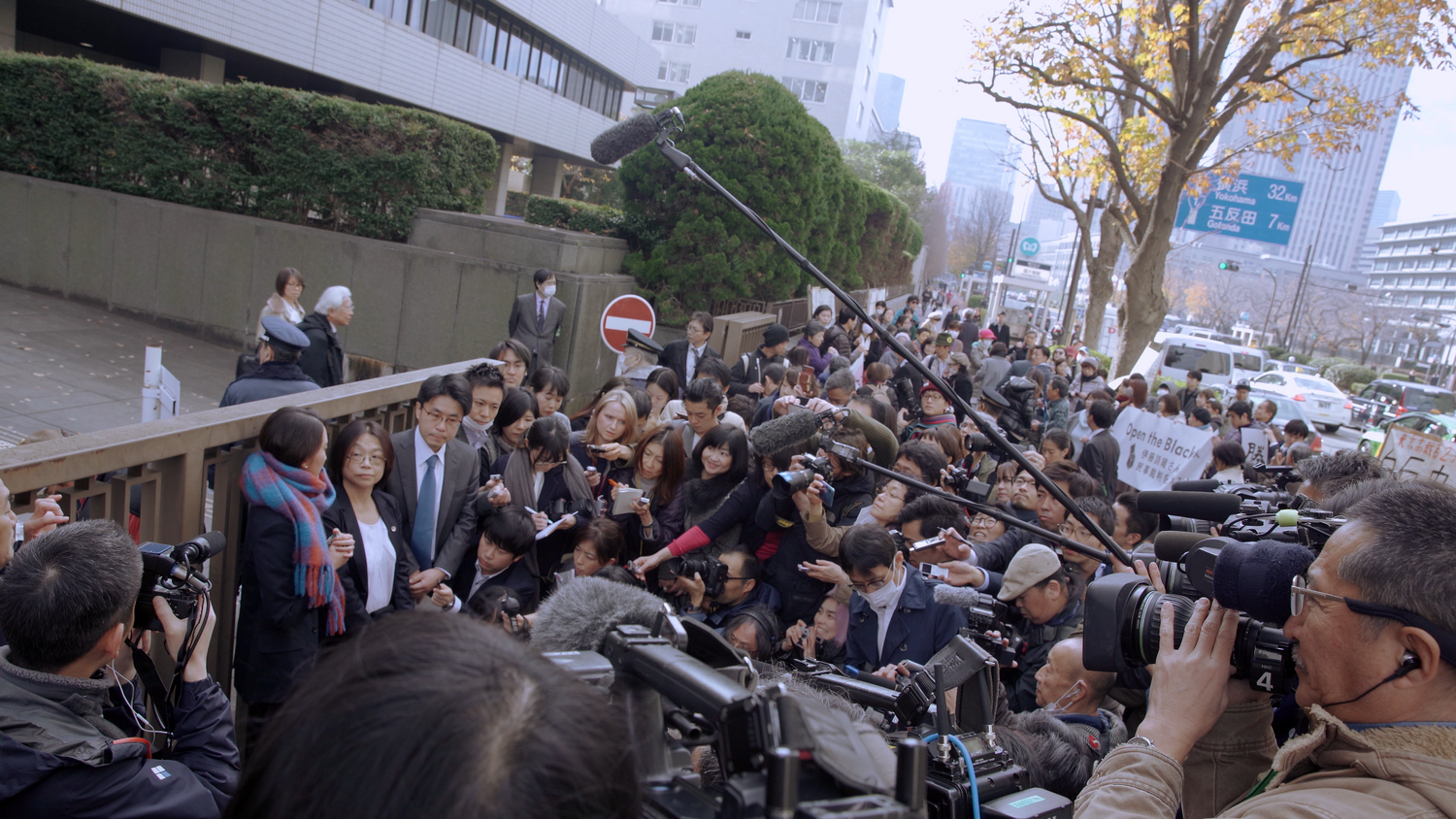
Here’s the thing: the treatment of women in these cases is not surprising. You could have probably guessed the reactions and hurdles Itō was going to face in her sinking case, and I’m sure Itō had some idea, too. But when placed in a different country where the century-old definition of rape did not have to include the words “consent” but must include physical action, #MeToo hits a different kind of challenge. A 2017 survey reveals that 4% of women in Japan come forward with their rape. When this is shared, Itō asks, “Does that mean 96% of cases are not brought up?” The accepted patriarchal rules are shone a harsh light in Black Box Diaries: when men prevail, how many women crumble?
We can even see it in the treatment of men in this documentary. Sometimes we’ll know the names of the men, but not their faces. Sometimes we see their faces and their roles, but never their names. And sometimes we won’t know anything else about a man but how they’ve contributed to the case. It’s true that Itō could have let her case slide into anonymity or put these men on full blast, but with journalistic choices and values, putting herself in the center of the story while choosing how the men live in infamy in this case is a skill of restraint and integrity. If she’s going to be the face of a rape case, she’s also going to be the face of change.
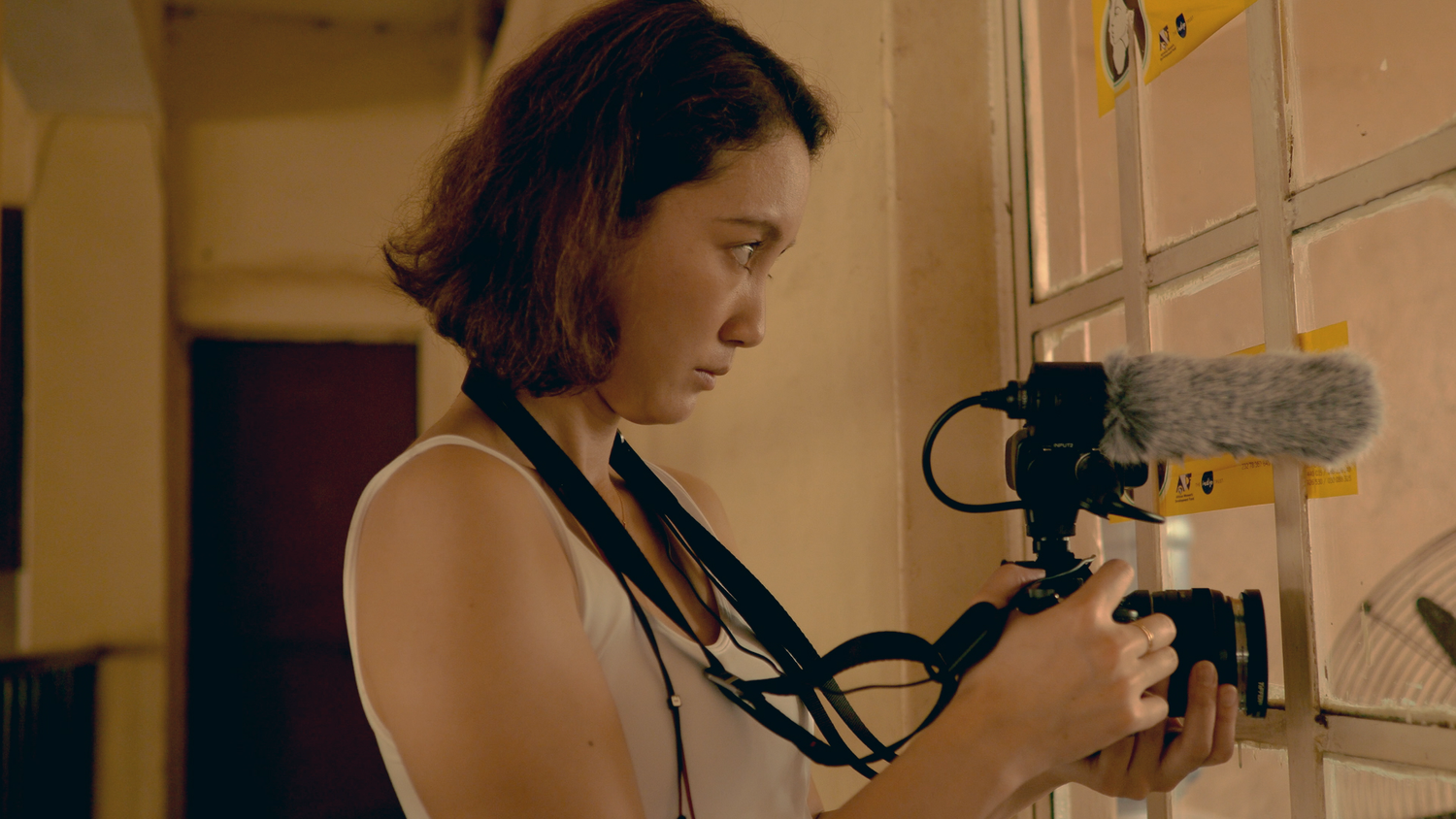
But the choice was difficult. Itō’s on-the-clock frustration works in tandem to how victims feel in procedural obstructions and wavering interests from law officials, making Itō’s work-life balance not an envious one. At one point, after a failed attempt to catch the head policeman in an interview, Itō suspects that her supposed safe haven of her apartment is wiretapped. Her family, while supportive, will tell her not to show her face on camera (though in a sad scene, her father is caught sobbing after a particularly discouraging news of her case).
Black Box Diaries is the dirty hands of Itō’s book, where we see the emotional input of her investigation. We also are fortunate to know the results of her case: Itō was awarded 3.3 million yen (about $30,000) for her case (and rightfully so, she gleefully sings along to “I’m A Survivor” at the end of the film), but it’s a harrowing open end. I think of a line from Ali Abbassi’s The Apprentice, when Jeremy Strong’s Roy Cohn gets into a young Donald Trump’s face and says, “We’re a nation of men, not laws.” It’s an intentional mix-up of the John Adams quote during the founding of this country to state how the modern landscape of power works in America. But this line of thinking doesn’t have to be obviously stated. It’s uttered behind closed doors, it’s voted into existence in public congressional view, and it’s the backbone of how certain models of thinking and systems are upheld for so long. But in Black Box Diaries fashion, it’d be far from me to end with a quote from a bad-bad person, but to end it with a complicatedly bad person: “This is a man’s world that we live in…of the axis of dick.”
Black Box Diaries
2024
dir. Shiori Itō
102 mins
Now playing @ Coolidge Corner Theatre