
The display of authority is varied. I think of Al Pacino in Scarface, who delivers the seminal presentation of manic behavior once you’re at the top of the game. I (involuntarily) think of YouTuber-turned-boxer Jake Paul, whose obnoxious swagger seems borrowed from the bad kids in The Karate Kid but who is (very unfortunately) successful in his stints. These displays are boisterous, flashy, and seem to be asking for fate to eventually topple them at some point.
They are also understood through an American lens. Understanding the power in Indonesia, which has undergone a 30-year-dictatorship under President Suharto, is understanding the smoldering effects on the people, poltiics, and the way of living afterwards. Jakarta-based director and writer Makbul Mubarak, whose family has served government officials until the dictatorship’s dissolution in the ‘90s, uses Autobiography as a portrait of the country’s unrestful state, even under the guise of industrial and democratic progression.
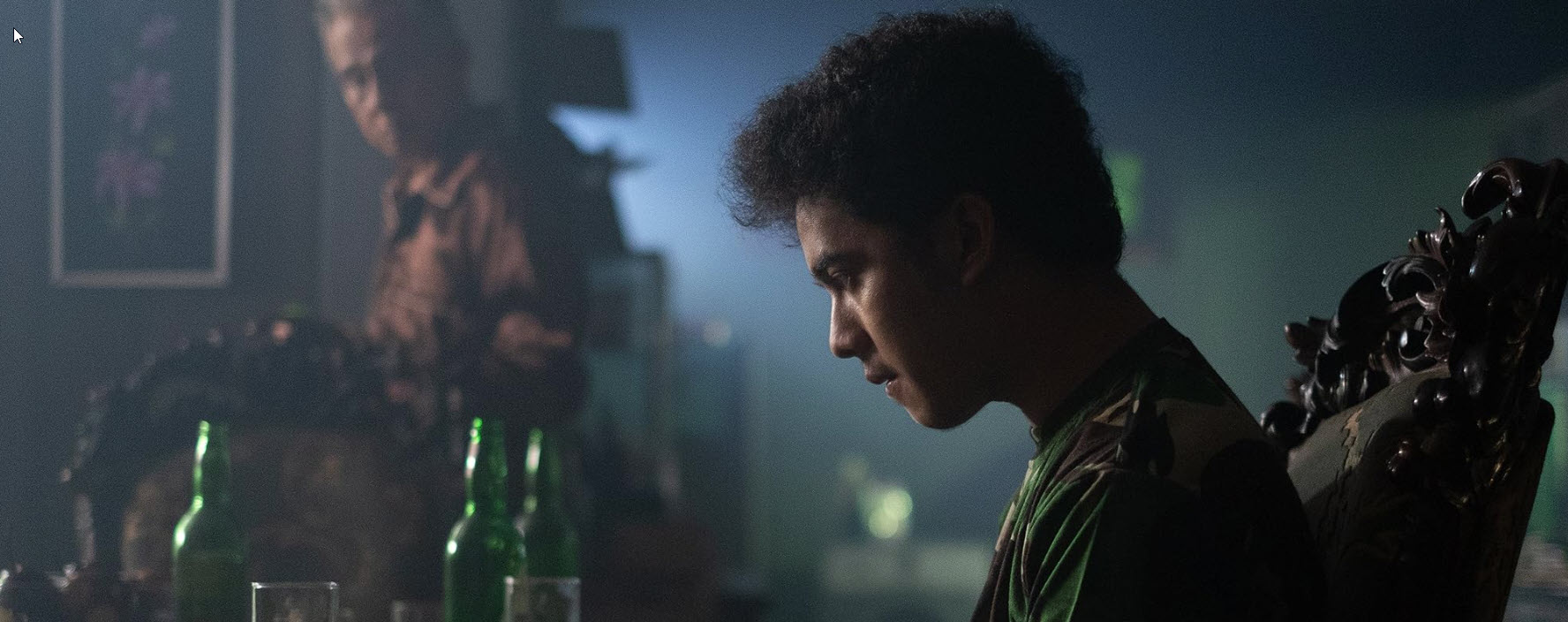
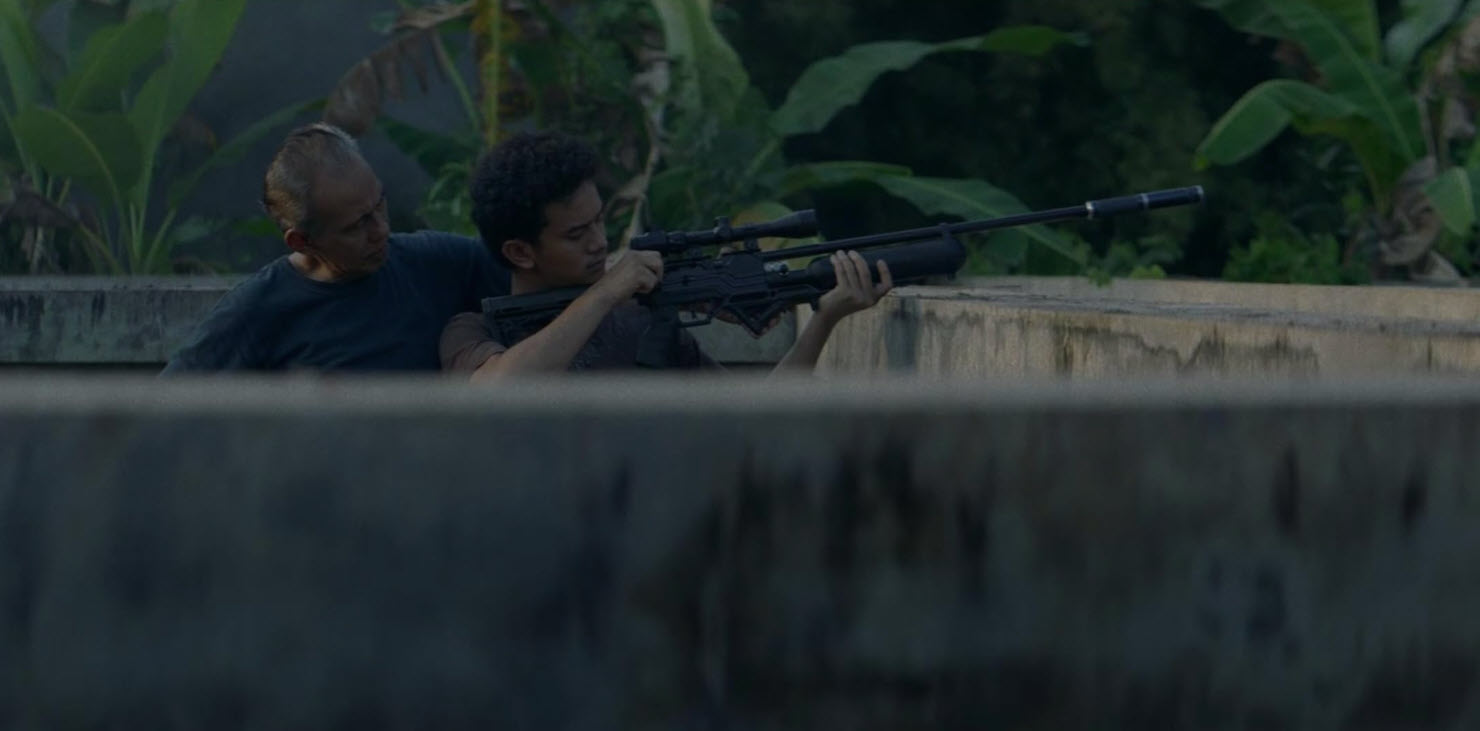
Though it sounds like Autobiography puts a mirror to Mubarak’s life — the main protagonist is Rakib (Kevin Ardilova), a young man who looks after the house of a general — the story confronts Indonesia’s political vitality through the relationship between Rakib and the general Purna (Arswendy Bening Swara). In the beginning of the film, Purna returns to his home, ready to embark on a mayoral campaign. Finding a likeness in Rakib, Purna takes him under his wing to teach him how to shoot a gun (mind, using an assault rifle rather than a pistol) and stand guard at town meetings. Rakib is quiet, obedient, and observant of Purna’s magnetism — or rather, how grown men cower and petty criminals recoil in his presence.
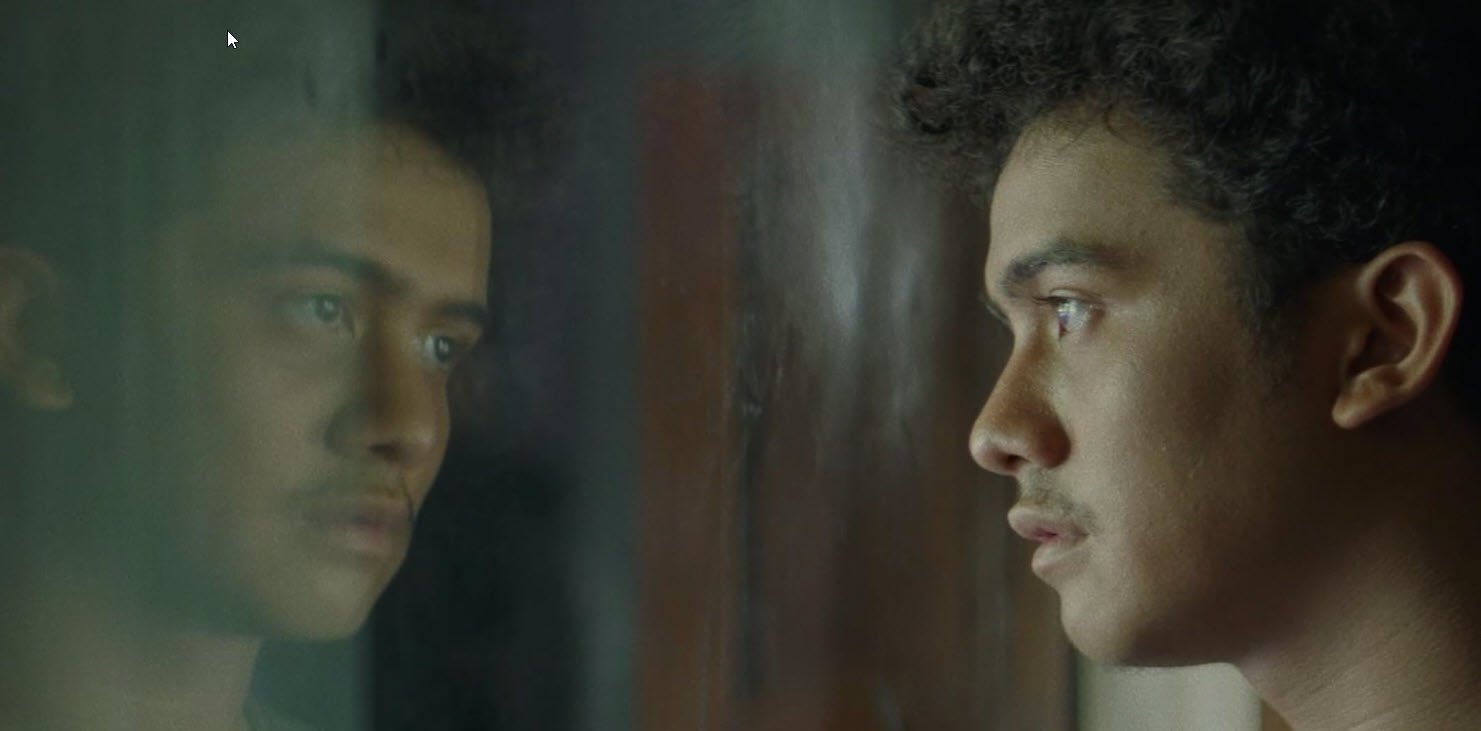
Autobiography‘s small-scale production was assisted by Torino Film Lab (who helped produce Ritesh Batra’s The Lunchbox and Haifaa al-Mansour’s Wadjda). The decisions or potential limitations in its filming and production work splendidly in this setting as much as Michael Bay fitting splendidly in Hollywood-size productions. The film feels comfortable among the shadowy interiors and crowded rooms that make a few appearances. It also makes it believable that corruption thrives in the darkness, not when guns a-blazing and cars a-’sploding illuminate the obvious.
The film also spends a lot of time outdoors, where Wojciech Staron’s cinematography of cloudy skies and leafy humidity still can’t obscure the residents’ fear of militant abuse, or that militant abuse can pervade without lawful retribution. The history of the country’s turmoil still lingers in the air and could be found in the motives and tactics of good and bad people. Purna, the feared general who is seeking for an elected position, is not seeking voters’ approval; he is announcing. Much like the Godfathers before, Swara plays the character with wisened intimidation, even when he tries to joke around or show paternal care towards Rakib.
However, I did find it strange how quickly Purna takes to Rakib. Perhaps finding a protégé is like falling in love, in which when you know, you know. But for a man who has partaken in very likely situations of mistrust and betrayal, Purna’s willing accessibility to his life seems too convenient. Because he arrives to the audience directly in the beginning and recruits Rakib right away, the audience can’t really interpret his character through the lens of others. We can see that Purna can snap his fingers to make people cry or slyly accuse someone’s mother of immorality in front of his own village, but I’d prefer to see the man shrouded in mystery before he extends a hand from the shadows.
But I also see that that kind of sequential reveal in other movies has been done before. Right away, Autobiography intends to benefit both of Purna’s roles as Rakib’s secondary father figure and a dangerous man in order to understand Rakib’s simultaneous loyalty and moral hesitation. At the end of the film, it may seem like it has been Rakib’s story to ascent. It may also be the story of how corruption is a river that will find a way to keep flowing, even to descent.
Autobiography
2022
dir. Makbul Mubarak
115 min.
Now streaming on Film Movement Plus