
A lot of documentaries reach circulation because they benefit from trending news. Then there are documentaries that predate the conversation, and ArtsEmerson has selected some fortune tellers. Most of them were released in the past two years, but in the rampant changes of federal policies, you might find some comfort (but let’s be real, mostly frustration) to see that people have already seen this coming – only because if someone had identified the problem long ago, then someone is already thinking about answers.
Below are some of the films that will be featured in the ArtsEmerson’s Spring/Summer program.
ADMISSIONS GRANTED (dir. Hao Wu & Miao Wang)
Screening on Friday, March 21 @6:30 PM
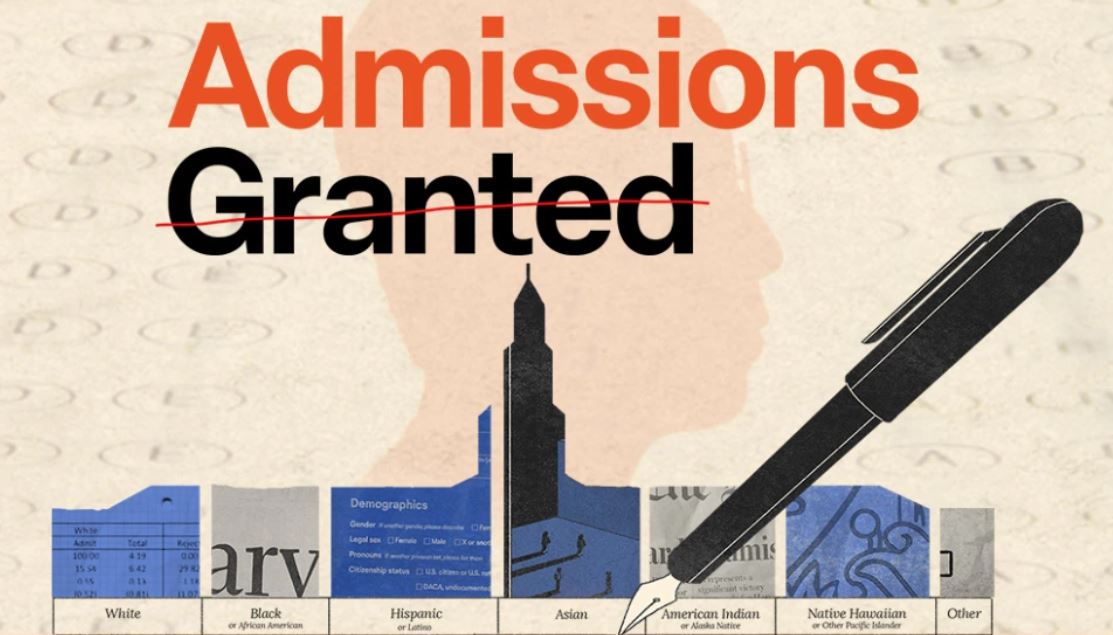
Before “DEI” became the new word of the year for right-wing vitriol, Admissions Granted had forecasted the downfall of diversity in academia. The documentary takes a look at the 2023 case Students for Fair Admissions v. Harvard, in which affirmative action was ruled as a constitutional violation. A remarkable part about the case is that the plaintiffs were Asian American students who felt that their rejections from their top-choice Ivy Leagues were discriminatory. What becomes an initial cry for the unfairness in the college admissions process becomes a movement picked up by Asian American advocacy groups.
Few documentaries showcase both sides of an argument with as much nuance as Admissions Granted. The filmmakers get onto the ground level of local communities who are torn between equal opportunity and recognition of racial disadvantages. They also enter into professors’ offices for a more formal dissection on the positive impact of diversity, especially when it’s reinforced by law. The documentary subtly reveals how the model minority myth has snaked its way to the ultimate, unfortunate demise of affirmative action. It makes no mention of the new presidential attitude towards DEI programs, but the ending speaks clear of the case’s repercussions. (Lest we forget, our own criminal-in-chief had shared a similar sentiment to Congress, who replied with laughs: “[We have spent millions on] improving learning outcomes in Asia. Asia is doing very well with learning, I hear.”)
9-MAN (dir. Ursula Liang)
Screening on Saturday, March 22 @1:30 PM
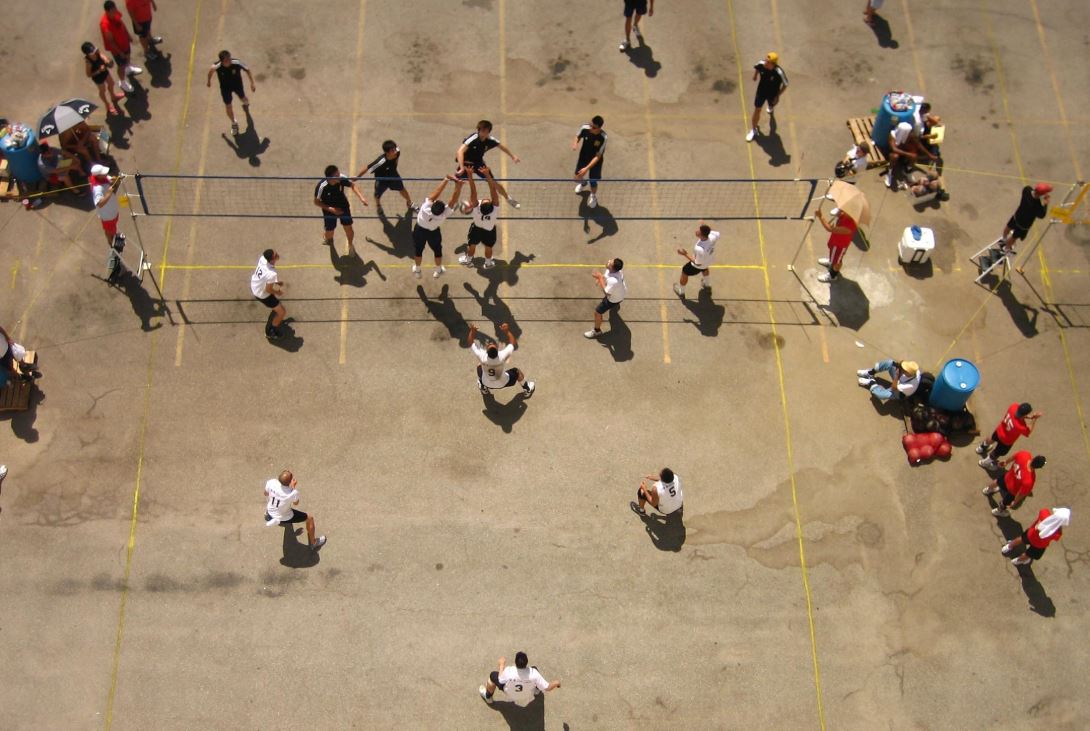
Next to Frederick Wiseman’s City Hall for best Boston-based documentary is Ursula Liang’s 9-Man, where it follows a few teams around the country (+ Vancouver) competing in the national 9-Man tournament. The history of the game, which is volleyball between two nine-person teams, illustrates how exclusionist immigration acts help push isolated communities together. While the documentary first shows how fun and exciting it is, it also reveals how tradition in America should (or will) eventually be broken. Some of the rules of the game, which still pertain, state that 1) only men could play, 2) 6 of the 9 players must be 100% Chinese, and 3) the other 3 players must be of an approved Asian descent. As immigrant families grow into American generations, will these rules become a new exclusionary act?
The “imperfect” nature of the game, alongside the Real World-type lens of men participating in tense game rallies and drunk fights, makes 9-Man an enjoyable, textured relic of the past. It’s the perfect flipside to the stereotype about the emasculated Asian man, and I think Boston would be proud.
HOME COURT (dir. Erica Tanamachi & Tadashi Nakamura)
Screening on Saturday, March 22 @4:30 PM
Preceded by YELLOW BROTHERHOOD (dir. Tadashi Nakamura)
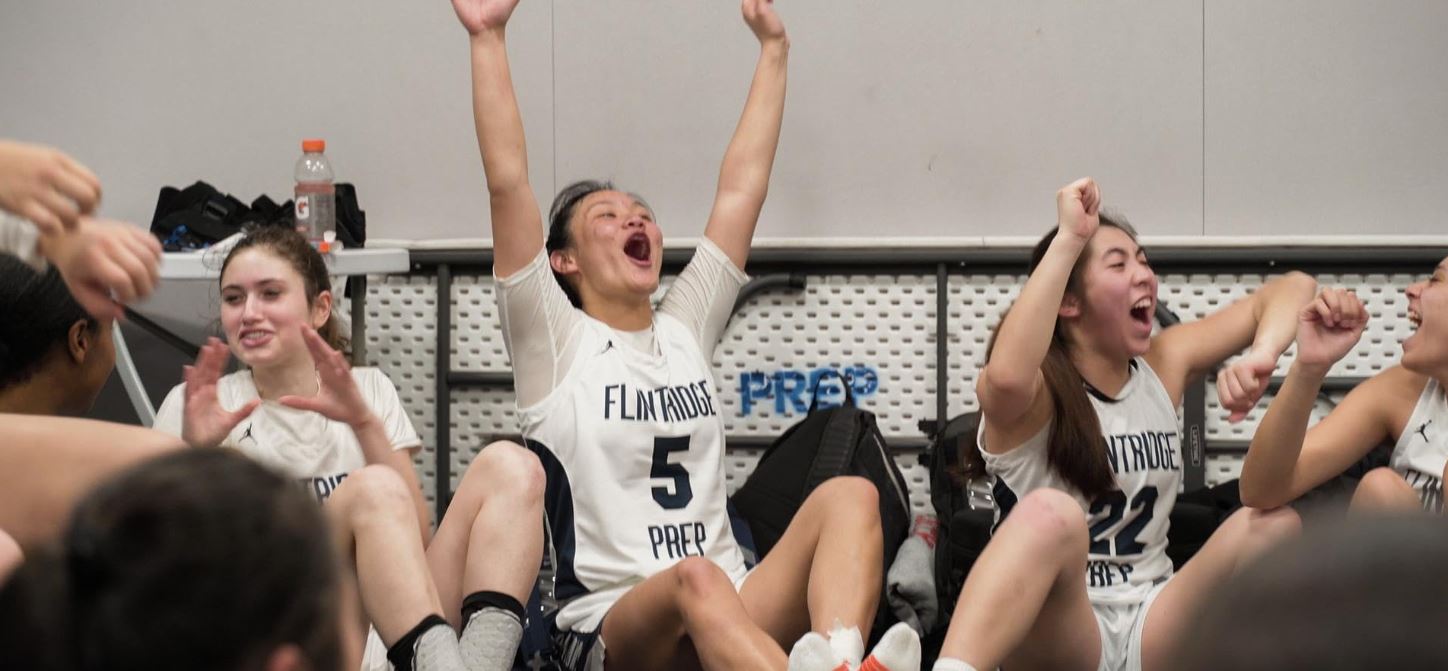
Home Court is a little bit similar to Admissions Granted and 9-Man, set to a more modern conversation about how the American Dream is perceived by immigrants. In her junior year of high school in Southern California, rising basketball star Ashley Chea is swimming among strangers: both on the court, where she plays among more financially privileged players, and at home, where her mother doesn’t understand the pursuit of athletic greatness. Don’t mistake this for the average misalignment between the first- and second-generation immigrants, or the average sports player origins story. The filmmakers seemed to have known Chea’s greatness, and had a keener eye to document her growth professionally and personally, which makes it a video diary at the most opportune time. One of my favorite parts about the documentary is an interesting trick that happens when college agents soon start their chase to enroll in their basketball team; soon, her parents who had originally been wearing work clothes start donning fit-forming Ivy League jackets and cheering her on in the sidelines. I have a good feeling we’ll see her name again in bigger court lights.

IGUALADA (dir. Juan Mejia Botero)
Screening on Friday, April 25 @6:30 PM
Igualada, the Spanish derogatory word to describe residents who don’t deserve privileges and rights as others, is proudly worn by presidential candidate Francia Márquez, a Black Colombian woman who seeks to end the wrongs of colonialism. Márquez first launches a grassroots campaign to prevent the historical grounds of her village from being destroyed for gold-mining, and then expands to fighting for the rights of indigenous and Afro-Colombian communities that were not protected by the sitting presidents. It shares a Knock Down the House sheen and the film glosses over some of Márquez’s impressive qualities (becoming a lawyer conducting a 350-mile protest march) for the sake of her campaign, but there’s still an important message of speaking up when something is wrong – especially when opposition to the regime can literally be murdered.
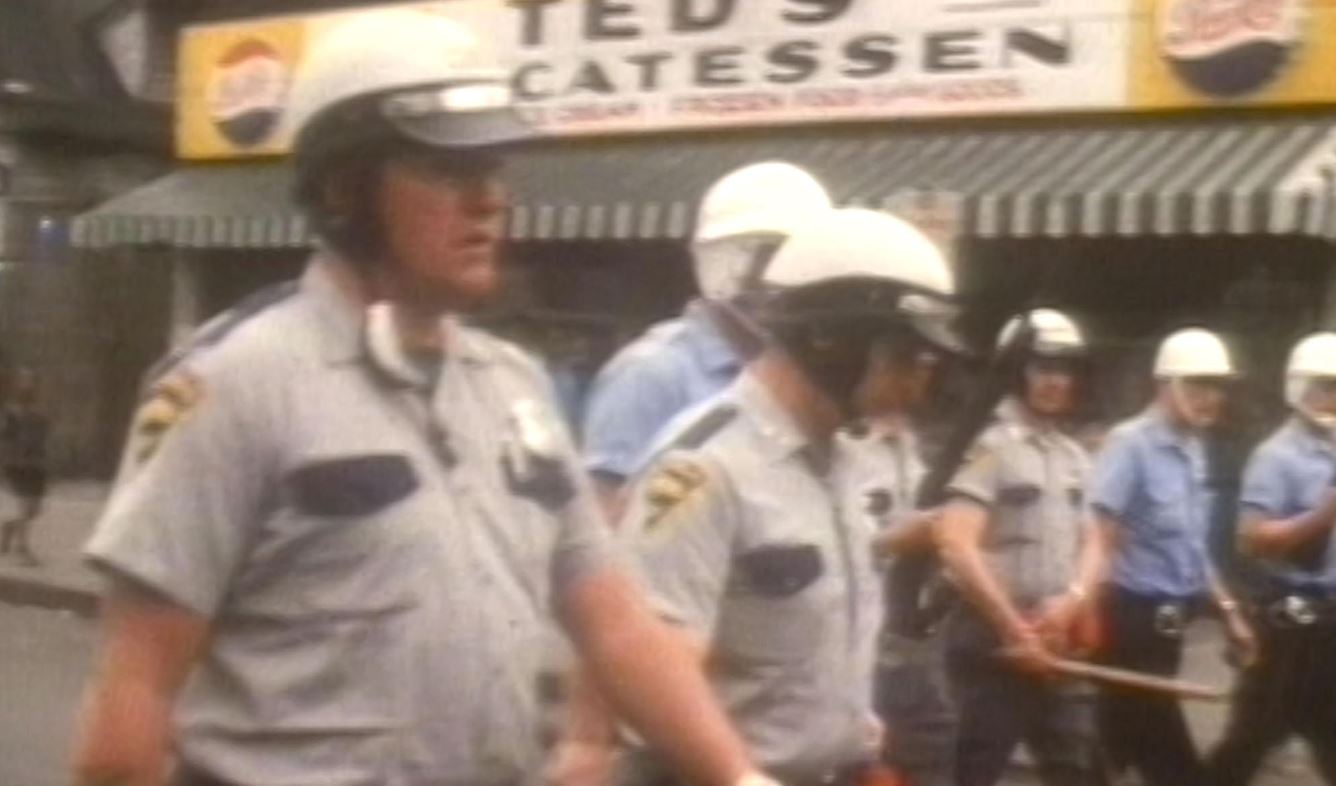
POWER (dir. Yance Ford)
Screening on Friday, May 16 @6:30 PM
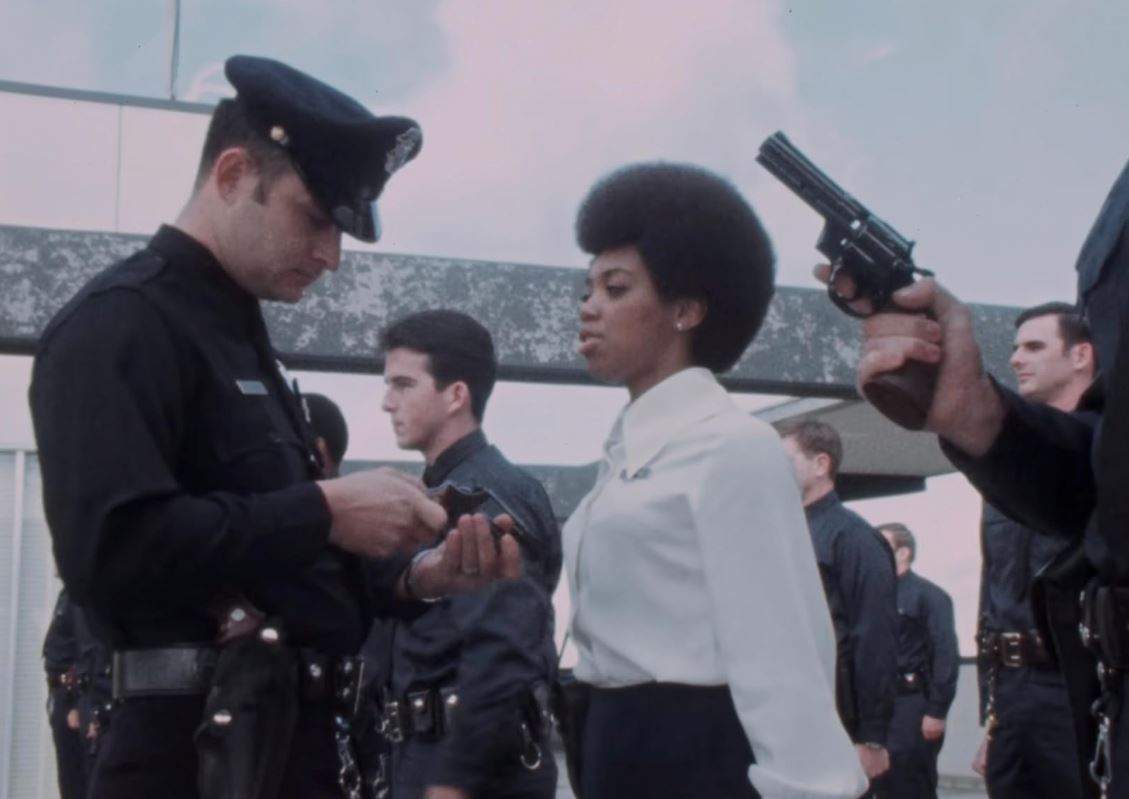
Speaking of murder, here’s a film about policing in America. Power finds its strengths in academic voices poring over the history of the police force in America. It comes to no surprise that the origins, financing, and political nature of police = bad news. There are especially some juicy soundbites (“legal monopolization of violence” and “Michelle Obama can’t shoot you with a gun” are bangers) that can further twist the knife of what sort of power the police has in this country and how it seems to be more promoted than prevented. The small morsel of hope can be found in Minneapolis police inspector Adams, who has grown up in the neighborhood he works in. His work with the community with safety and continual reflection on the role of police may be a pebble in the pond, but a ripple worth noticing.

THE GLASSWORKER (dir. Usman Riaz / Mano Animation Studios)
Screening on Sunday, May 18 @ 4PM
In the world of cutting-edge technology, or even award-winning pieces used from open-source programs, I’d advise not to let The Glassworker, Pakistan’s first hand-drawn animated film, slip by your radar. While it may not exhibit slick movements or seamless actions, The Glassworker has the heart of a Studio Ghibli or old-school Disney movie. It starts with Tomas and his father Vincent who own the town’s glass store. When the country goes to war, Vincent refuses to participate and forbids Tomas from enlisting. Their active pacifism becomes the target of scorn from the town and distances Tomas from his childhood crush Alliz, who is the daughter of a colonel. The film may start off wobbly, but finds its footing when it smartens up on its perspective on the choices people make, the ruins of war, and the hardening and softening of relationships.