
The United States currently incarcerates 2.2 million people—significantly more than any other country. We disproportionately imprison people from minority and low-income communities. The experience of prison and its lingering after-effects, including barriers to welfare, housing, employment, voting, and education, leave formerly incarcerated people even more likely to remain poor and marginalized. Though the US spends upwards of $86 billion on corrections each year, incarcerated people are given few resources to prepare them for reëntry to the community. 90% of incarcerated people will be released, but 40% will return to prison within three years.
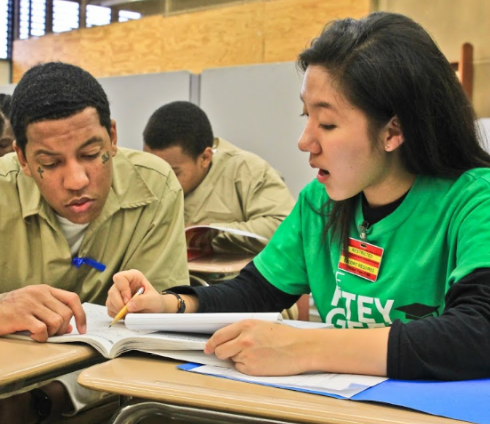
At the Petey Greene Program, a nonprofit that recruits and coordinates volunteers to tutors in local prisons, we collaborate with college students to try to make a difference in the lives of incarcerated people. Education is one of the most effective ways to decrease crime and the costs of incarceration. Formerly incarcerated people who took classes in prison are 43% less likely to return to prison than those who did not, and a UCLA study found that $1 million spent on education prevents almost twice as many crimes as the same amount spent on corrections.
Since the recession, however, many Departments of Corrections have cut resources for all educational programming, and students face underfunded and understaffed classrooms. This is where the Petey Greene Program can make a difference. By working with the educational programs in prisons, we can significantly improve outcomes for the students.
If you’re interested in getting involved, contact us at [email protected] or apply directly at peteygreene.org/volunteerapplication.