
Almost two years, medical experts voted to change the nomenclature of the medical condition NAFLD (non-alcoholic fatty liver disease) to MASLD (metabolic dysfunction-associated steatotic liver disease). As medical jargon goes, someone who was once diagnosed with NAFLD may be distraught with the words “alcoholic” and “fatty” attached to their medical history even though the condition is not caused by alcoholism nor is it related to someone’s whole body mass. Nonetheless, the term felt stigmatizing enough that the term was renamed to better suit the condition.
As we know, renaming things occurs a lot, in hopes that we can positively define what’s going on without perceived negative connotation. However, you will not be catching any character in Yadang: The Snitch using accepted terms like “persons with substance use disorders” at any point. Admittedly, it’s a clunky term to use in any script aiming to appeal, and even if there was a space to do so, I doubt Yadang’s hard-nosed, live-fast characters would care for inoffensiveness. See, in Yadang, a film that very much does not feel like a safe space for people with substance use disorders, it’s not just about the word “junkies” and “addicts” that pervade the conversation. We can see in the attitudes of these characters that it is the law vs. drug users attitude that informs how Yadang is constructed.
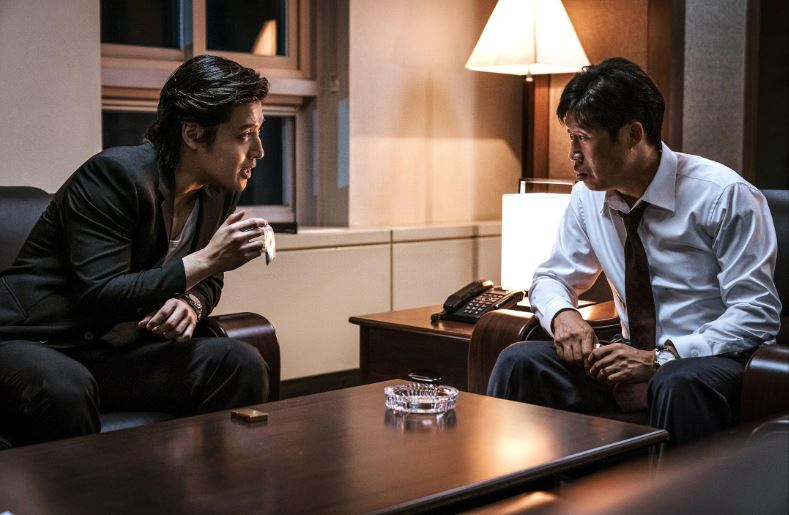
Somehow, the movie starts without a starting point. It feels like waking up and finding ourselves ensnared in a complex, contextless cobweb akin to Infernal Affairs. We will eventually figure out that Kang-soo (Kang Ha-neul) is the titular yadang, a snitch employed for law enforcement. After being falsely imprisoned for drug misuse, Kang-soo is sought out by prosecutor Gwan-hee (Yoo Hae-jin) to help uncover the “cockroach nests” – the main sources of illegal drug distribution in Korea. Prosecutor Gwan-hee aspires to make it to the top of his career, enlisting Kang-soo to help ensnare the street dealers to capture the big boss. As they succeed with each arrest, they grow closer as brothers.
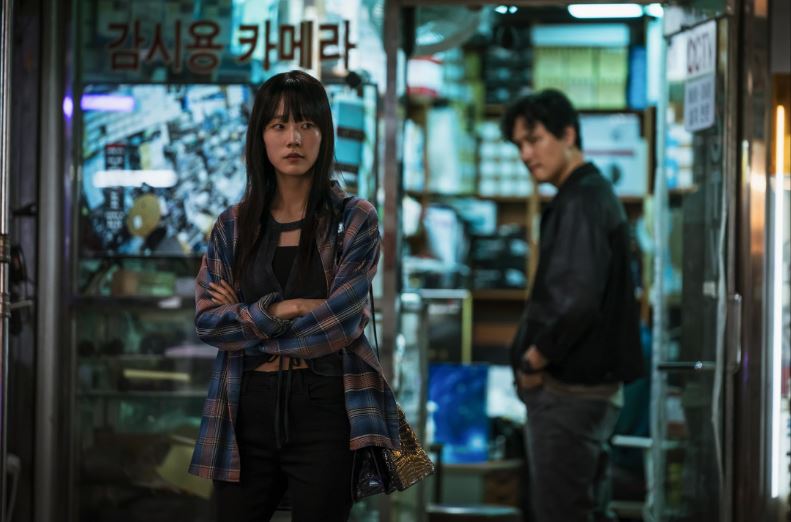
Events move very rapidly. Gwan-hee’s operations of snapping up the dealers lands him in the top of the ranks, despite stepping on local law enforcement’s work in progress. This includes a frustrated detective Sang-jae (Park Hae-joon), who had been working with famed actress Soo-jin (Chae Woo-bin) to uncover distribution at a grander scale (scale: son of a presidential candidate). Eventually, heads butt, fingers are pointed, and Kang-soo is the one that gets very burned.
The editing is jarring, as it feels that there is so much material to get through and little to none was removed from the final cut. Everyone who is part of this web is only important in relation to Yadang’s plot; we don’t get much backstory (except that Kang-soo grew up in a humble, rural background). There are gotcha moments, ass-kicking, and a guaranteed car flip. It sorta feels like riding the Superman roller coaster in the middle of the desert: high-thrill but you have no idea where you are.
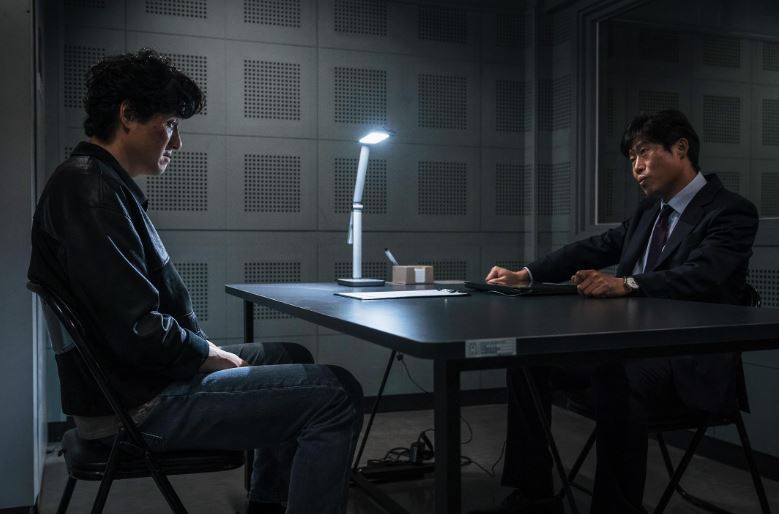
For the record, I don’t hate Yadang. Once the Burn happens, I think things start to come together, and you can sit back and enjoy the ride. What I think is important is how drug crime is treated. There seems to exist a sort of faceless cruelty towards people who abuse drugs, which can be a somewhat misalignment of how we try to approach addiction (think of Steve Carrell’s gentle parenting in Beautiful Boy, and compare to the threats of being caught with drugs in this film). However, South Korea is facing an increased level in illicit drug use. This story itself, which might seem like a ‘80s plot, was inspired by a 2021 article about “brokers” who deal with law enforcement and drug dealers. One must be forgiven if the country has not yet learned about SPOT sites or acceptable terminology, as they’re facing this issue head-on.
The story gets most exciting when our unlikely team deliberates a plan together – Kang-soo, Sang-jae, and Soo-jin – to take down the power-greedy Gwan-hee and the collaborators. I would have preferred that the sacrificial tropes did not happen, especially to reach the outcome that it did, but Yadang gives to an interesting perspective that we wouldn’t see elsewhere in America, time or place. If you find yourself in this cobweb, you might have as well see to it how it ends.
Yadang: The Snitch
2025
dir. Hwang Byeng-Gug
122 min.
Now playing at AMC Causeway