It seems a little silly to describe Father Mother Sister Brother as a “quiet” film from Jim Jarmusch. Jarmusch, after all, is not exactly known for directing blockbusters; his last film, The Dead Don’t Die, may have been a star-studded zombie comedy, but it owed more to the bone-dry comedies of Aki Kaurismäki than to the films of George Romero. Still, even for the resolutely intimate filmmaker, Father Mother Sister Brother (or FMSB, to save myself the carpal tunnel) finds Jarmusch taking it down a notch, a film of hushed conversations about family, aging, and drinking water. It’s not as audacious as some of the filmmaker’s most celebrated pieces, but it remains warm, funny, and altogether lovely.
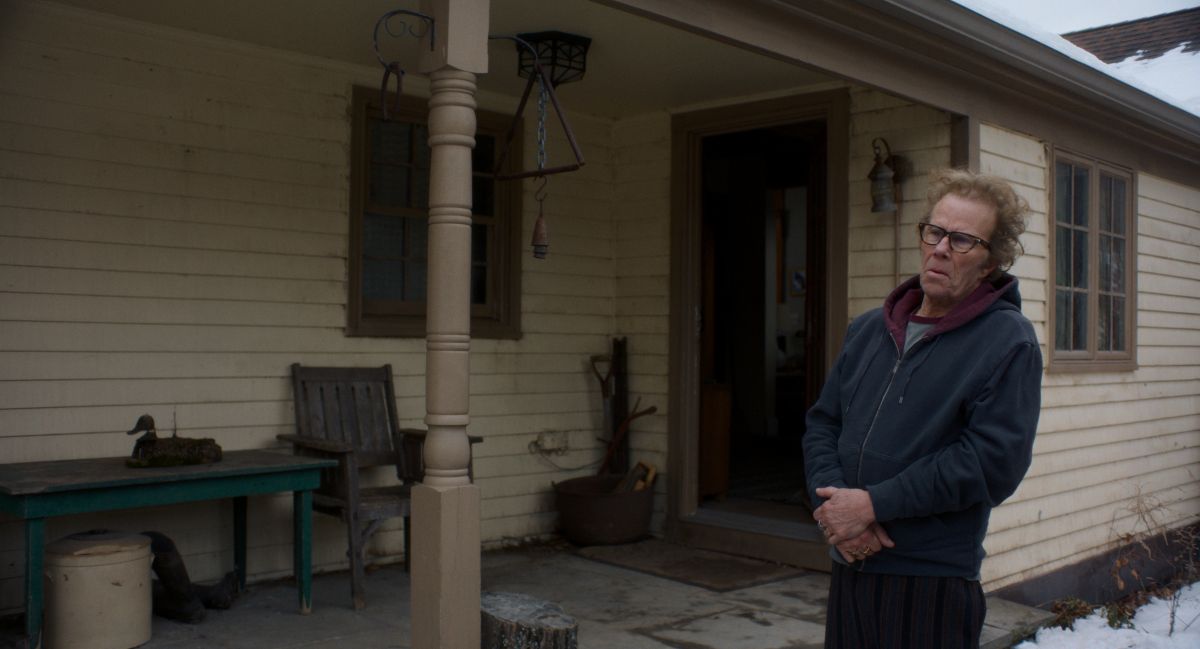
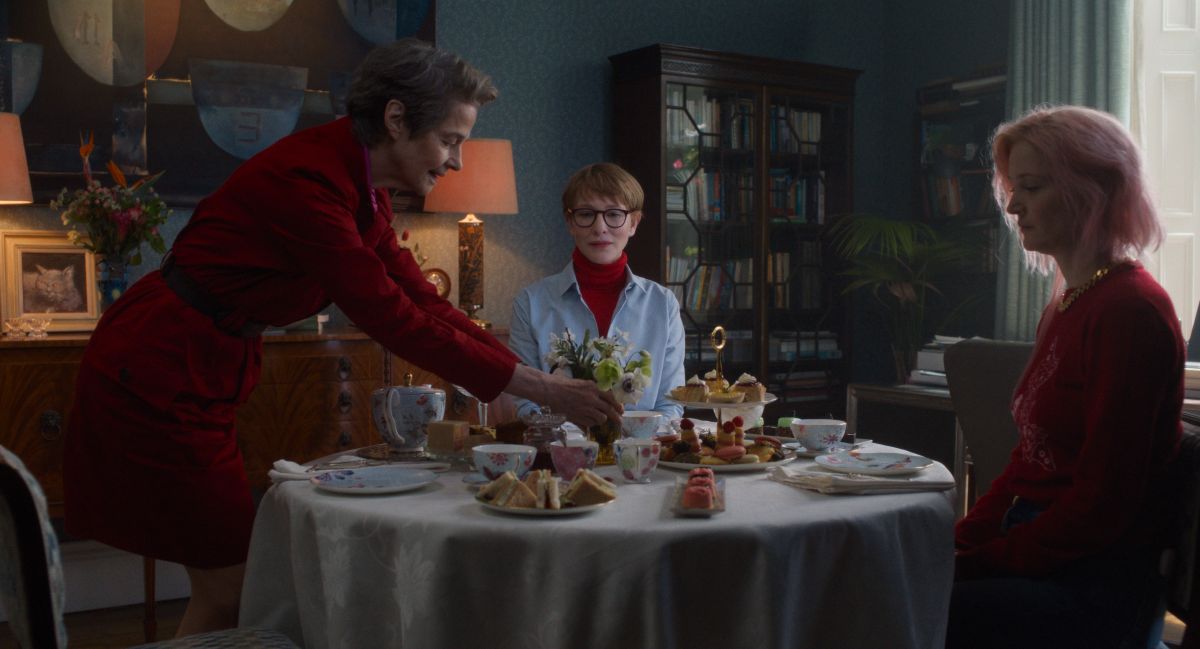
Like such early Jarmusch masterworks as Mystery Train and Night on Earth, Father Mother Sister Brother is an anthology film of sorts, its title an index of its three segments. The “Father” of the first segment is Tom Waits, an aging hipster living in the wilds of New Jersey, who hosts an awkward afternoon in his tumbledown shack with his straightlaced, understandably suspicious grown children (Adam Driver and Mayim Bialik). “Mother” is Charlotte Rampling, a very prim novelist of some renown in a posh corner of Dublin, hosting an equally strained tea party with her own daughters (Vicky Krieps and Cate Blanchett). “Sister” and “Brother,” meanwhile, are Indya Moore and Luka Sabbat, twins cleaning out a Paris flat following the evidently mysterious death of their evidently mysterious parents. There are common motifs which run through the three stories— passing skateboarders, accidental color coordination, spins on the phrases “Bob’s your uncle” and “Noweheresville”— but, unlike the tales of Mystery Train, the threads remain separate, bound only by the common theme of familial unease.
The tricky thing about writing family drama is that families seldom speak in exposition; when you’ve known someone intimately your entire life you tend to rely on shorthand, and you rarely need to remind one another of things you both already know. Half the fun of FMSB, then, is trying to figure out for yourself the contours of these relationships, parsing the unspoken notes which reveal who, exactly, these characters are to one another. Neither Driver nor Bialik, for example, explicitly state their respective relations to their father, but we glean a lot from Bialik’s pregnant pause when Driver admits to loaning him money for home repairs; later, in one of the film’s funniest gags, Waits expertly rebuffs his son’s leading questions about the state of a wall which supposedly caved in. Silence can speak volumes, and few filmmakers write better silences than Jarmusch.
As in Coffee and Cigarettes, perhaps the most ambitious of Jarmusch’s anthologies, the three segments of FMSB appear to have been shot independently, with entirely separate crews for each (there are even two credited cinematographers, Frederick Elmes and Yorick Le Saux, though it’s not clear who shot what). Subsequently, it is perhaps wise to weigh each segment as a film unto itself. “Father” is by far the funniest of the three, thanks to a typically delightful performance from Waits (who, perhaps for the first time in his career, plays a character who could be described as a normal human being) and some brilliant deadpan work from Driver and Bialik. The story leads to a delightfully piquant punchline worthy of Coffee and Cigarettes, and an all-time classic Waits screen moment.
That punchline may lead to false expectations about “Mother,” which relies even more upon the unspoken and ends on a far more ambiguous note. On its surface, it’s as stage-managed as the impeccably European tea party at its center, Rampling’s Mother as serenely regal as Waits’ Father is hobbit-like. Unlike Driver and Bialik, Krieps and Blanchett arrive in separate cars, meaning we are not privy to their candid conversations. Krieps’ free-spirited Lillith gets a ride from a friend, but has her pose as an Uber driver; Blanchett’s Timothea’s car breaks down, and she seems to be perpetually on the verge of doing the same. Everything else is communicated in glances and gestures, and the nearly imperceptible ways in which each character lets their guard down when they sense no eyes upon them. The second segment has less oomph than the first, but I find myself tugging more at it in my brain as I think back on it.
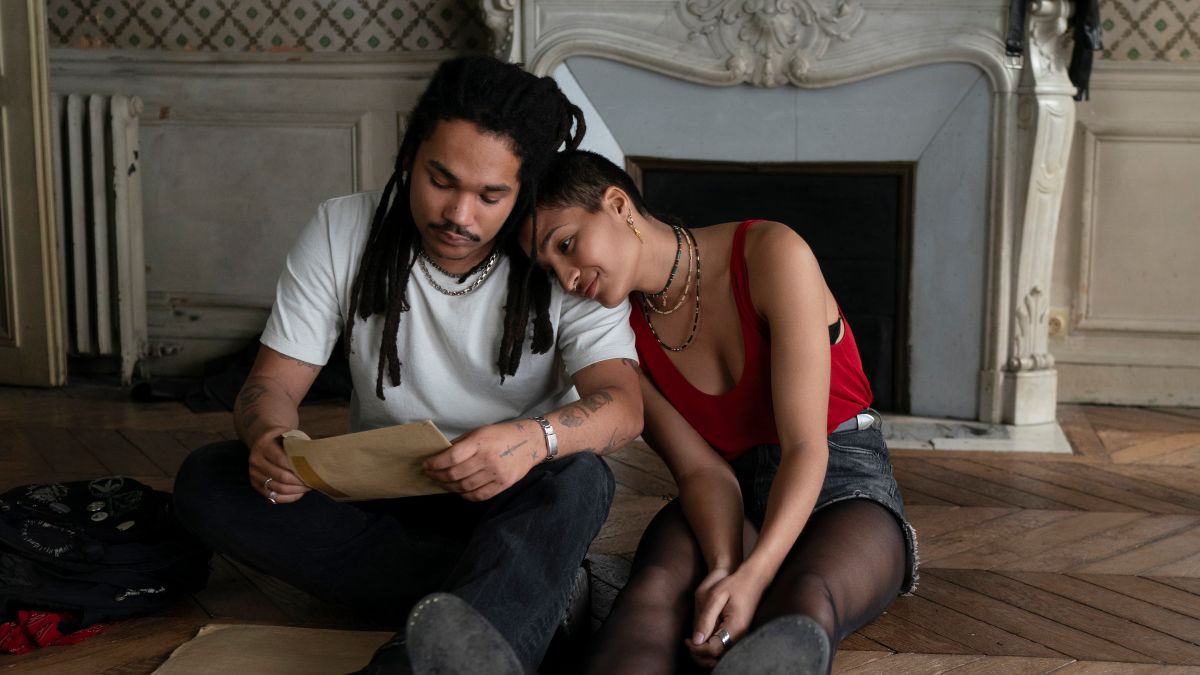
The third segment, “Sister Brother,” is the most overtly emotional of the three, both because it deals head-on with death, and, perhaps, because its siblings no longer have to perform for their parents. Moore’s Skye and Sabbat’s Billy are entirely at ease with each other, speaking in that odd sort of secret language of twins (they refer a couple of times to being able to sense when the other is sick even when they’re across the globe, the sort of connection which seems fantastical until you actually meet a twin). They know everything about each other, but almost nothing about their late parents, who seem to have been larger-than-life hippie eccentrics. They pore over their parents’ old IDs and documents, attempting to map out a timeline of their lives and adventures through addresses and dates. But the mystery is largely incidental to the image of Sabbat and Moore sprawled on the floor, silently sharing the hugeness of the moment. The siblings in the other segments don’t talk because of familial repression; when Skye and Billy don’t talk, it’s because they don’t have to.
With his trademark shock of white hair and eternally cool sunglasses, Jim Jarmusch has always fostered an image of agelessness, at once eternally youthful and wizened beyond his years. In actuality, he is now (somehow) 72 years old, so it’s understandable that his thoughts might turn to aging and mortality. Jarmusch’s films often feel like a smoke-filled party attended by some of the coolest people you know; Father Mother Sister Brother, then, is that after-midnight lull when the remaining guests start to get real and talk about their parents, or their health, or other, less glamorous aspects of their lives. It may not be as “rock and roll” as Jarmusch’s earlier work, but it’s still a pleasure to spend a couple of hours in his funky little world.
Father Mother Sister Brother
2025
dir. Jim Jarmusch
110 min.
Opens Friday, 1/9 @ Coolidge Corner Theatre, West Newton Cinema, and AMC Boston Common