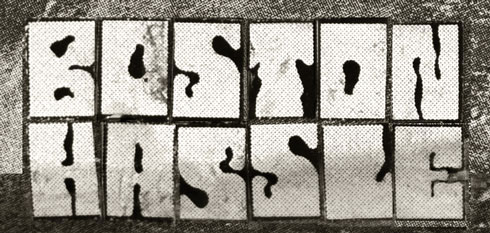
Isham Quick.
Alex Manly.
Joshua Halsey.
These are just a few of the many names uncovered in PBS’s American Coup: Wilmington 1898. A dark but eye-opening documentary about a crucial—and forgotten—point in U.S. history, Coup emphasizes personal stories of those affected by the Wilmington, North Carolina government overthrow. It details the history immediately following the Civil War to the end of the 1898 coup through historians and descendants, the only one in American history executed successfully out of fear of Black governance. Historians such as Robin D.G. Kelley and Carol Anderson discuss how white politicians, over several decades of politically driven public anger and life-altering violence, usurped a once thriving 56% percent majority Black town to turn it into a White, Christian nationalist region. While things may be a bit less racist now—we’ll see 6 months into Donald Trump’s return to office—the violence of the Wilmington coup reflects the deep-seated racism and other flaws in American governmental systems that have festered since. Only through empathy, proper restorative and reparative justice can the U.S. truly call itself a free country.
Racism is built into the U.S., there’s no denying that. From policy/law to social norms and cultural dominance, white people are positioned the best and Black people, the worst. Even for the white guy typing this out, it’s hard to deny the many “-isms” and “-phobias” that plague this country—but that’s a different topic. Even for those doubtful, Coup demonstrates how easily white people rallied behind a believably hateful rhetoric to commit mass violence. Personal stories, like that of the once successful business owner Isham Quick getting banished from the town, with his business stolen (or “reacquired” white supremacists would say) and family terrorized, litter the documentary with a devastating lack of humanity. As other historians remark later on, this isn’t discussed in history class, at least not effectively. But Coup’s directorial pair, Lichtenstein and Richen, keeps you hooked into this complexly interwoven history with straight forward, emotionally open interviews and unrelenting truth-talk.
Coup neglects perspectives of the supremacists and other perpetrators beyond power grabbing and racism, and not much is done to attach this history to the potential shift coming very soon, but this documentary provides an essential piece of history through the people it hurt(s) the most. The way forward cannot be by shutting our feelings out and individualistically hoarding resources and power—as many self-proclaimed tough guys may soon encourage—everyone, regardless of class, race, sexuality, gender or individual experiences, has to come together. While Coup can feel monotonous and a little lopsided, it’s a powerful reminder of what the U.S. is still distancing from. For history buffs, documentary fans and teachers/educators alike, Coup is an impactful cesspool of information.
2024
dir. Brad Lichtenstein & Yoruba Richen
111 min.
Screens on PBS throughout the week