Diractors is an ongoing series in which Hassle writer Jack Draper examines films, new and old, whose directors are better known for their work in front of the camera.
Elaine May does it again, understanding human tomfoolery and capturing just that. If A New Leaf was not enough of a comic car crash in slow motion, The Heartbreak Kid is a step into a sharp left turn. Still, the dynamic of confused lovers isn’t mismatched, with Charles Grodin and Cybill Shepherd swapping out for Elaine May herself and Walter Matthau. It’s what a great sophomore feature should do, improving upon what the debut established as the director’s interests– and with a concept like “On the first day of his honeymoon, Lenny Cantrow falls in love with another girl” this was going to be perfection for May.
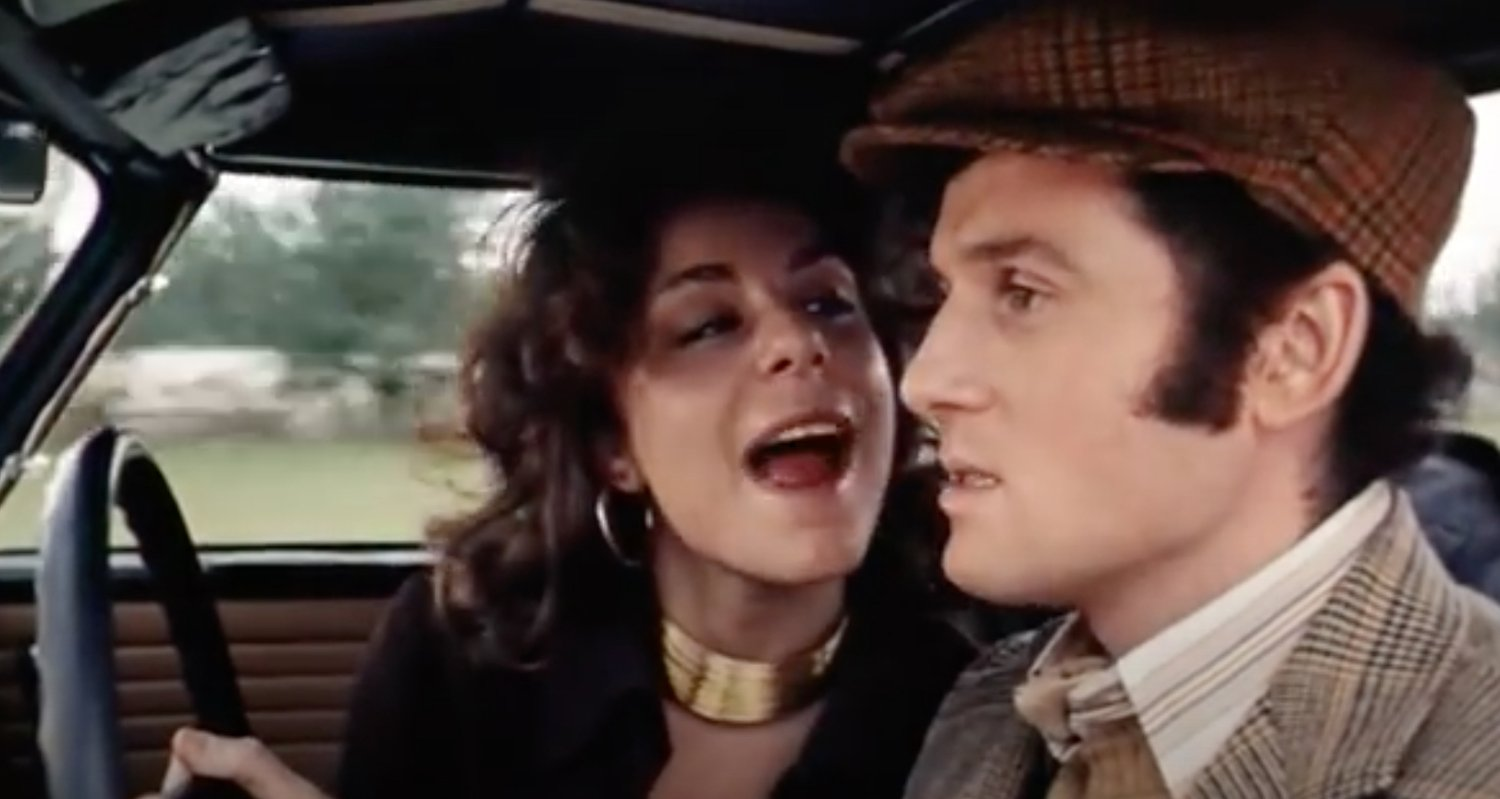
It’s the kind of comedy we see in drama, but stretched out to fill in a comedy of its own. It’s no wonder to see Scorsese or the Safdies cite an influence in how May observes human behavior. The humor, uncomfortable but not overtly polarizing, is a strength of May’s direction (as well as Neil Simon’s script), striking the right balance of cruelty and neuroses. The scene where we see Lenny states, “There is no deceit in the cauliflower” shows how quickly he runs out of playing pretend to prove to himself he is a charming guy. He never really woos Jeanie Berlin, Cybil Shepard, or her parents; they so clearly see past the desperation. Charles Grodin encapsulates this discomfort perfectly, so oblivious to every pathetic action, like chasing after a new girl that’s just three years younger than his current wife.
It’s fascinating to consider the parallels between Elaine May’s second feature and that of her creative partner Mike Nichols (wonder how he turned out), who made The Graduate following Who’s Afraid of Virginia Woolf? Interestingly, both Heartbreak Kid and Graduate were massive successes; The Graduate went on to be a dominant contender come awards season, while The Heartbreak Kid was just a movie that made a lot of money, its Neil Simon sensibility something people responded to at the time. Maybe The Graduate more explicitly deals with suburban discomfort compared to Heartbreak, even though May has such a general disdain for people like Lenny. She holds a microscope and gives these kinds of people the side-eye of those who are never satisfied; even Ben Braddock is more naive than pathetic. It’s the ultimate joke of both movies to think about what they achieve brings them closer to a situation.
The Heartbreak Kid crystalizes into one of my favorite comedies ever, an analysis of what contentment looks like and how we can obtain it. Elaine May’s unpleasant urge as a storyteller is to place this dilemma on the shoulders of the least relatable men and then invite the audience to relate solely because of their status as well-adjusted adults. To weigh their minor irritations against those we’ve sublimated in our own lives and consider how much—or how little—the scales would need to be pushed for us to make similarly appalling choices. What I’ve seen at its core is how Lenny continues to be aware of his own selfishness, an effect achieved less through Simon’s script, which serves Grodin dialogue that is frequently overpoweringly toxic, and more in the moments of self-loathing that the performance allows for among the jabs. Lenny exclaiming “I just gave half my life away!” when he is out of breath at the idea of a future now without Kelly or his wife sees him reacting in the most rock bottom we see all movie (maybe in any comedy). Grodin and May are just perfection at crafting one of cinema’s greatest himbos.
The Heartbreak Kid
1972
dir. Elaine May
106 min.
Screens Tuesday, 5/21, 7:00 @ Alamo Drafthouse Boston Seaport