Diractors is an ongoing series in which Hassle writer Jack Draper examines films, new and old, whose directors are better known for their work in front of the camera.
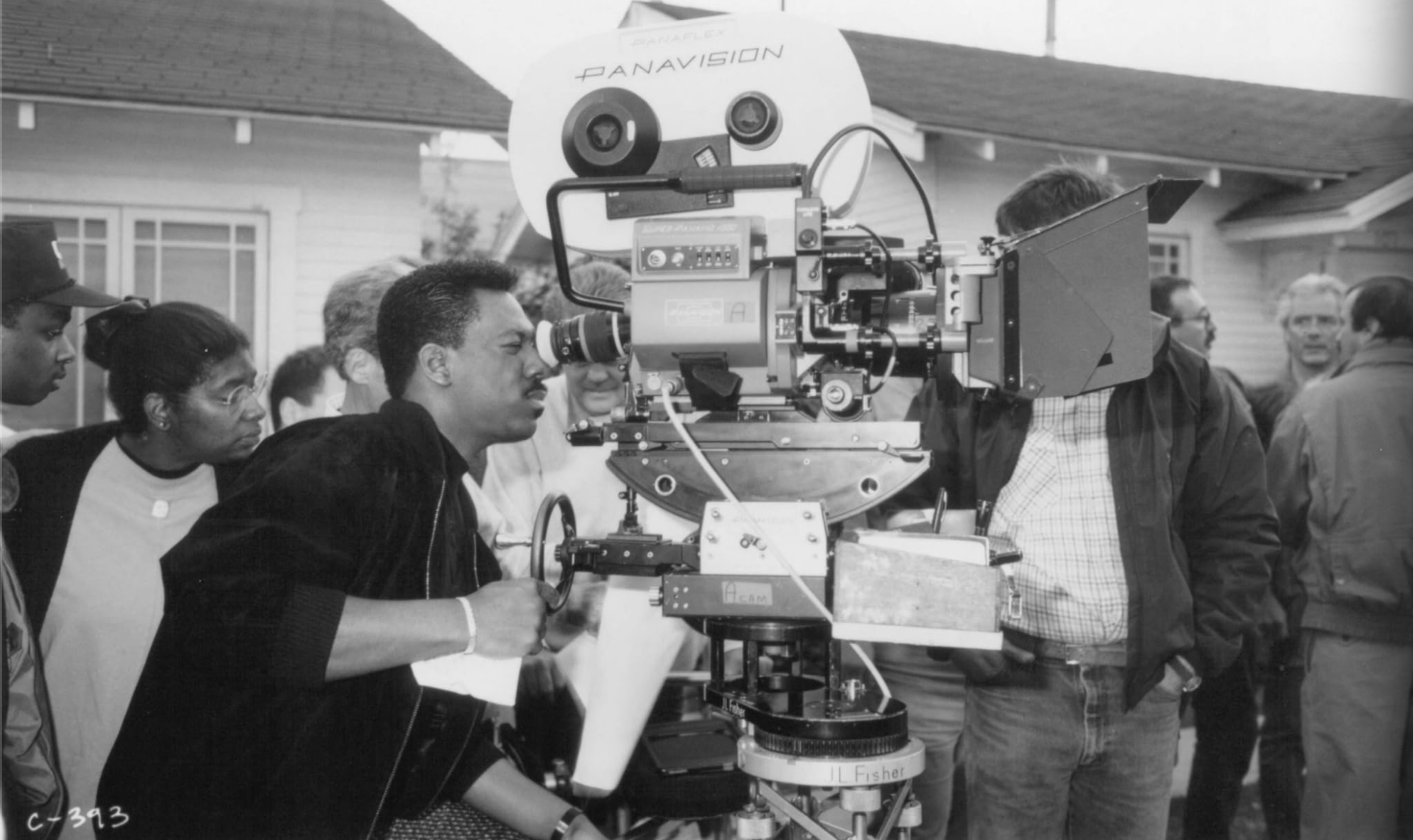
Pour one out for Eddie Murphy’s directing career. Not that Eddie needed a new career in the late ’80s, after resurrecting Saturday Night Live from life support and having two of the two most acclaimed comedy specials of the decade. Murphy’s ’80s comedies were defined by what was palatable, let alone what was popular. Even decades into his career, he rides that wave of popularity, even with his role most famous for my generation of Zillennials being the Donkey form Shrek. For a desire for filmmaking as a new challenge, it only makes it harder to know what an “Eddie Murphy film” is, not just a comedy that stars Eddie. Though, as Harlem Nights costar Arsenio Hall noted while interviewing him, that ultimately didn’t matter to the devotees Murphy had accrued. The movie turned a profit and saw Eddie telling a story only he could write, but would find he didn’t have to direct. Just because he had aspirations to follow the footsteps of Woody Allen and wear as many hats as he did, doesn’t mean he had the same passion for filmmaking as being a comedian.
Harlem Nights was set up for success. Virtually all of Murphy’s wishes were granted, as Paramount gave him as close to a blank check that you can for a directorial debut. He got his choice of actors to costar with (including influential comedians Redd Foxx and Richard Pryor), and the ability to write about his uncle Ray Murphy’s real experience working in a club and making a period piece of his own, despite never previously being a part of one. More Johnny Dangerously than City Heat in tone, Harlem Nights focuses on the story of “Sugar Ray” Raymond (Pryor) and Vernest “Quick” Brown (Murphy), a duo running a nightclub in the late 1930s in Harlem while contending with gangsters (such as Michael Lerner’s Bugsy Calhoune) and corrupt police officials (represented by Danny Aiello’s Sgt. Phil Cantone). Murphy is consistent uses these characters as representatives of the establishment which looms large over Sugar Ray’s club, the evils of capitalism and systemic racism which doesn’t want them located where home is. The women of the movie, including Vera Walker (the GREAT Della Resse) and Dominique La Rue (Jasmine Guy), represent the distractions and tangents that come with operating a business, with Black-owned success coming at a price. Vera, an escort who works for Quick and Sugar, is accused of stealing, which forces her to have more autonomy than Quick realizes, resulting in fisticuffs (!). Dominique, meanwhile is used as a pawn against Quick by Bugsy to seduce him over the rival club before Quick realizes he was set up to be assassinated.
There’s a lot of love here in Eddie’s script– just not in Eddie’s filmmaking. The ideas for the set pieces and his involvement in them on screen feel hilarious, but there’s not as much texture or panache as one would desire. I found myself blaming Murphy’s lack of experience more than his admiration for the time where his movie is set in. What rises to the surface from Murphy’s ideas are how Black wealth is able to be toyed with, and thus pushed out when disposable– ideas that were preserved from his uncle Ray’s time in this space. It’s actually Richard Pryor’s Sugar who is more grounded and pragmatic. He is just superb, especially when pleading with Quick to lay low after murdering rival club owners. “Dying at 27 ain’t cool,” he says in a movie where violence is played for laughs then takes a sharp right turn into something where its more desensitized.
Murphy was at the height of any one person’s powers in the ’80s, not only due to SNL and his comedies, but working with interesting directors who knew how to wield his charisma: Walter Hill, Michael Ritchie, Martin Brest, John Landis. Yet Harlem Nights wasn’t regarded as highly because, unlike those films, there aren’t many recognizable trademarks of a director. Another reason is that the reviews were racist and held Murphy to a higher regard with his status at the time. Murphy says of the movie’s reception, “There was a validity to a lot of things that people were saying about Harlem Nights, but then they went extra mean on it because it was me. I guess they viewed it as someone with an ego out-of-control doing all these things… It wasn’t that at all. As much as ‘let me see if I can do that, and I did. And I was like, ‘I don’t like this. I’m never doing this again.'” I’ve heard Leonardo DiCaprio say something similar to Eddie’s aversion to directing, in how their indecisiveness for details keeps them from having complete control over world building. Which is completely valid, and maybe a clearer difference between the actor and director: one can keep a performance organized, while the filmmaker can keep everything tidy that an actor doesn’t notice. But directing needs Eddie Murphy more than Eddie needed directing.
Harlem Nights
1989
dir. Eddie Murphy
116 min.
Currently streaming on Tubi, Fubo, and Paramount+.