Diractors is an ongoing series in which Hassle writer Jack Draper examines films, new and old, whose directors are better known for their work in front of the camera.
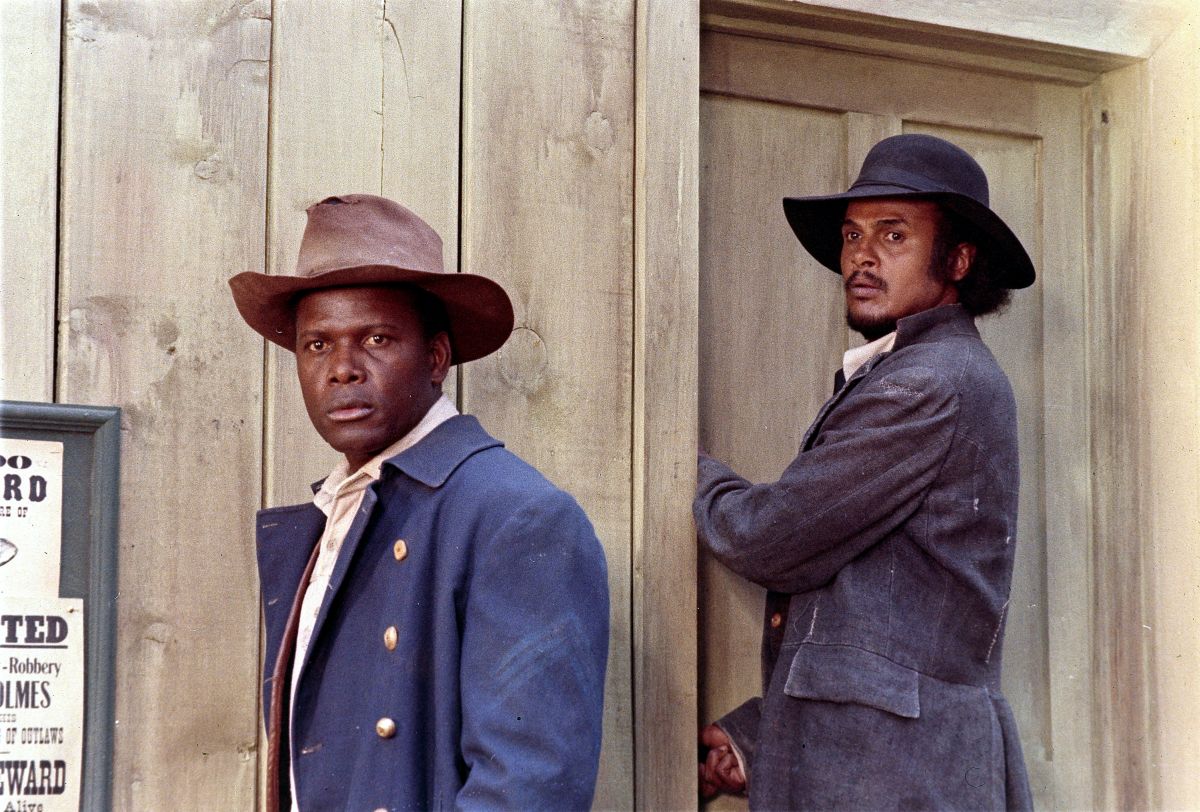
I’m ot exactly sure how to entirely wrap one Diractors column around the legacy and aura of Sidney Poitier as an actor, but he comes fully formed when directing. Buck and the Preacher is the perfect “revisionist Western,” and it came when America needed it most. Poitier had to pull double duty to make something with poignancy and genuine excitement. Working as a metaphor for the battle of the oppressed to rise up against the oppressor, there’s a familiarity to work for general audiences– a classic tale of good versus evil. Poitier is perfectly cast (by himself) as a stoic Western hero, Harry Belafonte is an exquisite counterpoint as his exuberant partner, and the quirky score by Benny Carter expertly undercuts the seriousness of its themes. It reminded me at times of the Mad Max films; Buck similarly has an apocalyptic feel.
That’s all it takes. Poitier is attuned to what makes a good story, and his role here is to make it look polished. Buck was originally to be directed by Joseph Sargent, which makes sense for the time as a steady hand who was capable of pulling off genuine tension. Poitier didn’t cash in leading man stock to direct, nor work his way up from acting to directing; he just seized an opportunity when it presented itself. Sargent rightfully stopped short before he could make the movie, as Poitier didn’t see him as understanding the nuances of how race intersects with the western linage. There’s a way in which Poitier steps into directing as well a traditional, strong hero to center a genre movie that doesn’t center Black people. Set in the late 1860s in the Kansas shortly after the Civil War, a former soldier named Buck Black led a wagon of African American from Louisiana west to the unsettled territories of Kansas. Ensuring safe passage and food for his company, Buck negotiates with the Native Americans in the area.
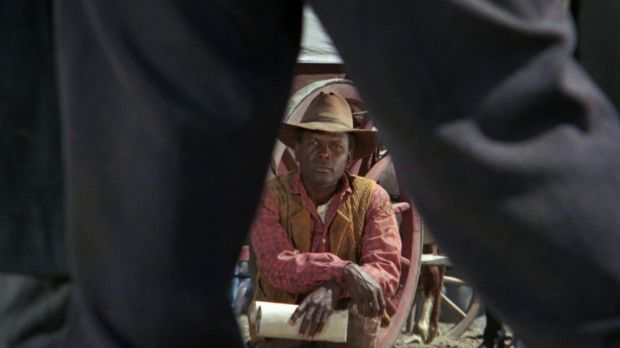
Poitier already had the tools ready for him to succeed, from the tight script by Ernst Kinoy to the vast photography of Alex Phillips, Jr. He emulated people he had worked with and admired in the past, such as Martin Ritt, Stanley Kramer or Joseph Mankiewicz; their versions of Buck and The Preacher would have been competent, but Poitier’s feels the most true. In regards to how Poitier felt directing, he stated, “I rolled my camera for the first time. I tell you, after three or four takes of that first scene, a calm came over me. A confidence surged through my whole body… and I, as green as I was, had a touch for this new craft I had been courting from a distance for many, many years.” It’s Poitier’s “second Everest,” and “directing a black film about black people rising above white people during a desperate period when white people were forced, by law, to release black people from slavery was a huge task.” All this is to say that it’s even better that Poitier would later return to directing, as this could so easily have been his one movie he happened to direct after the movie was left without a director.
It’s a welcome change now to see the Blaxploitation hero be planted firmly in the wild west as we follow a narrative of revenge and justice. The decision to allow an archetypal icon like Buck to follow in the footsteps of Shaft or Coffy didn’t make the movie a success, but it was not a down-and-out failure. By 1972, Poitier had already won an Oscar and become a beacon for radical change. Creating exciting shoot-out scenes and the ending robbery sequence is enough to cross the bar. Poitier also humanizes Native American-Black relations of the time, which gives more depth to the Buck character and his surroundings.
Poitier would direct again the following year with the romantic drama A Warm December, and later would direct Gene Wilder in back-to-back movies Stir Crazy and Hanky Panky. Less successfully, he directed a string of movies with Bill Cosby (yikes!), including A Piece of the Action, Ghost Dad, and Uptown Saturday Night. Its a weird and unfocused catalog of movies that Poitier accomplished while balancing acting from the ’70s and ’80s, since before then he had such a strong hold on who he was as a leading man. Along with Barbra Streisand and Paul Newman, Poitier formed First Artists Production Company so actors could secure properties and develop movie projects for themselves. Working with First Artists, Poitier directed several financially successful comedy films. To psychoanalyze Poitier a bit, he was good at finding a window of opportunity and seizing it. Buck and The Preacher was just another opportunity, and it slaps.
Buck and The Preacher
1972
dir. Sidney Poiter
102 min.
Screens Thursday, 2/27, 7:00pm @ Coolidge Corner Theatre
Part of the ongoing series: Big Screen Classics