

Boston Hassle’s coverage of the 2026 Independent Film Festival Boston continues! Read on for more of Kyle Amato and Oscar Goff’s picks from Boston’s premiere film fest, and take some notes for coming releases.
ROSE OF NEVADA (dir. Mark Jenkin)
Shot in a remarkable way – on 16mm, with all sound done in post-production – this bewitching time travel tale creates a freaky environment with ease. George MacKay and Callum Turner are unknowing victims upon an old fishing boat, sent back in time for seemingly no purpose other than to support their dying town and replace men lost at sea back in 1993, though no one knows for sure. Nick (MacKay) is desperate to return to his family, while Liam (Turner) has no problem starting over thirty years in the past. Liam easily folds into his new life, while Nick is isolated and going mad, forced to continue his work upon the ship with no sense of how long he may be trapped, or if there’s any future at all. This Cornwall fishing town feels liminal, eerie, waterlogged, and sad. Were Nick and Liam sacrifices to some kind of celestial being? An attempt to stave off the inevitable collapse of their ecosystem? The film provides no easy answers, leaving us feeling like we’ve lost our sea legs far from dry land. (Kyle Amato)
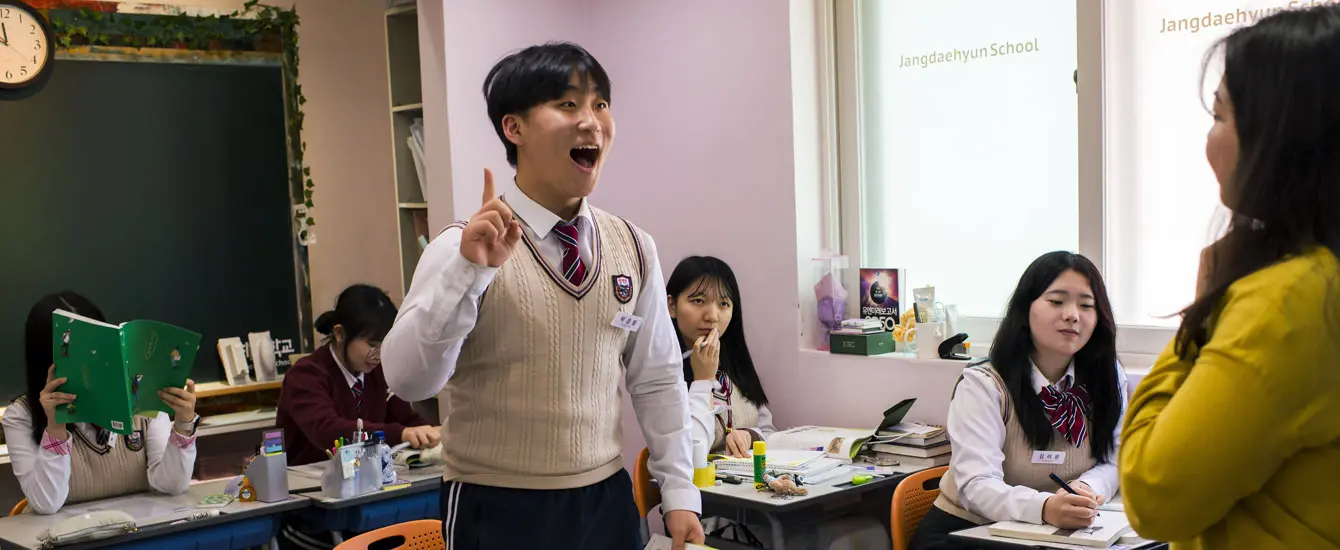
SCHOOL FOR DEFECTORS (dir. Jeremy Workman)
The director of one of my favorite films of 2025, Secret Mall Apartment, returns with a very different documentary focused on, as the title implies, a school for North Korean defectors. The knowledge and social gap seems insurmountable for many of these families starting anew in South Korea, which is where the Jangdaehyun School comes in. Though they only host a select group of twenty students, the effect of their teachings and guidance cannot be denied. These families have deep trauma from their former lives, and it’s clearly hard for any of them to really express themselves. The fact that Workman was able to get these interviews at all is a feat. To have integrated himself into an entire school year is remarkable. The students become so comfortable on camera, with some students (Phillip, for one) showing off their incredible dance moves. The school is an ideal society in a microcosm, and hopefully this documentary inspires others in Korea to reconsider their biases, unconscious or not, against defectors. (KA)
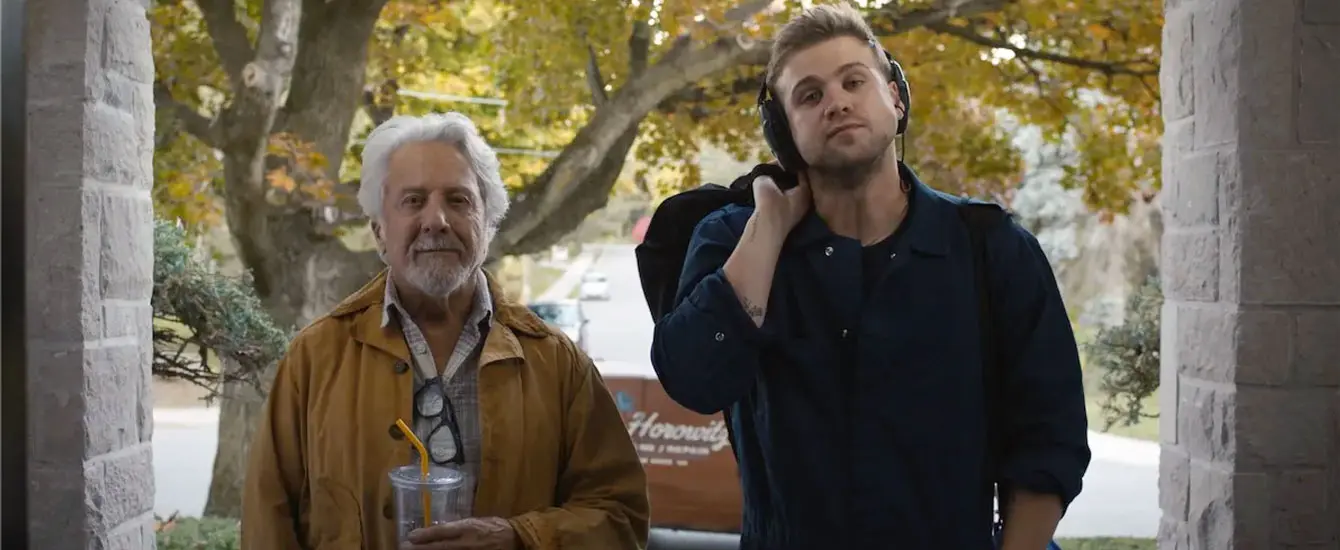
TUNER (dir. Daniel Roher)
The narrative debut of documentarian Daniel Roher (director of the Oscar-winning Navalny, of all things), Tuner is a stylish and amiable throwback to the indie crime films of the late ‘90s. Leo Woodall plays Niki, an apprentice piano tuner cursed with hyperacusis (as he describes it, he’s allergic to loud noise) but gifted with perfect pitch. When Niki discovers he can also use his particular set of skills to sense the turning of a safe’s tumblers, he falls in with a gang of Russian thugs, making a healthy sideline out of lifting trinkets and valuables from unwitting millionaires. Like the post-Tarantino heist pictures of old, Tuner runs on charisma, bravado, and how much fun it is to watch montages of stealthy robberies set to cool piano jazz (real jazz, I might add— Brubeck and Monk, not the diet stuff that tends to pop in soundtracks). While I occasionally ran thin on patience with Woodall’s stoic, sensitive lunkhead, he is surrounded by a vibrant and immensely likable supporting cast, particularly Dustin Hoffman as Niki’s incorrigible mentor and Lurker’s Havana Rose Liu as an aspiring composer who catches his fancy (there’s also an as-himself cameo which made me bark out loud). Tuner doesn’t reinvent the wheel, but it’s smart enough not to try. It’s a song you’ve heard before, but it hits all the right notes. (Oscar Goff)
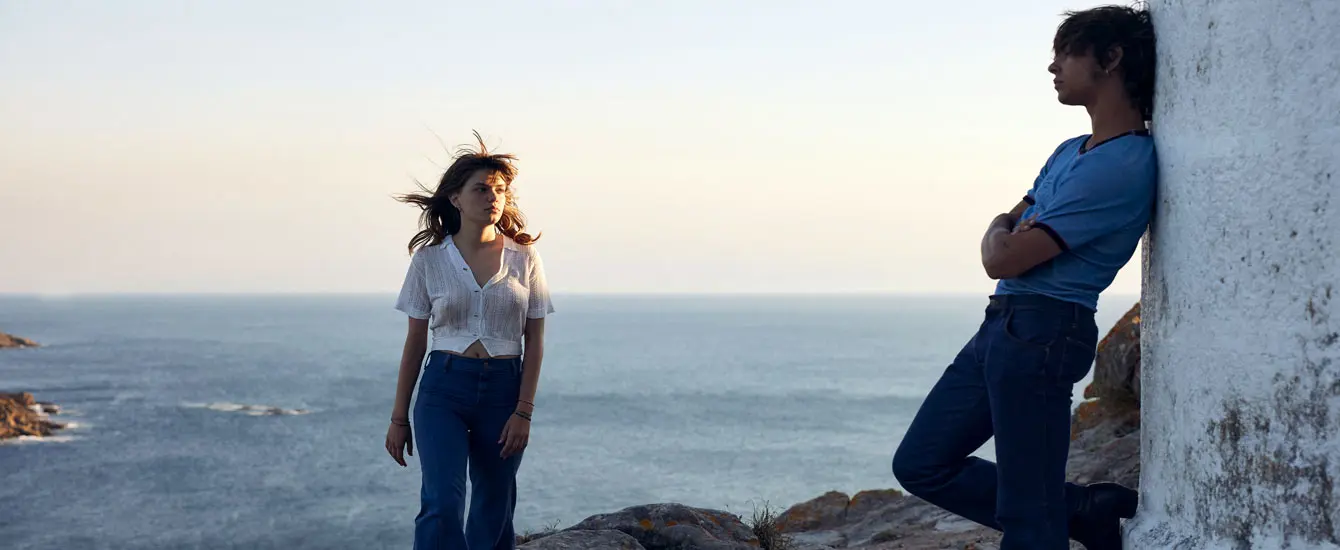
ROMERIA (dir. Carla Simón)
In the vein of recent semi-autobio filmmaking such as The Souvenir and Blue Heron comes Simón’s follow-up to her 2017 film Summer 1993. Though our protagonist’s name has changed, her story has not. Marina (Llúcia Garcia) lost her parents at a young age to AIDS-related illness, and now that she’s turning eighteen, she’s doing some family research. Though she does need some formal documentation for a grant application, she’s obviously more interested in learning about her father’s family. Unfortunately, they’re not quite as interested in her. Marina’s mere presence is digging up old wounds, and she’s rocked by some new revelations about her parents. The drama is a tad drawn out, with little to offer in-between family arguments beyond the lush seaside landscapes and sudden swerves into memory courtesy of Marina’s mother’s journals. I could easily see a third installment in Simón’s family memory trilogy, but it could use a bit more forwardness from its protagonist. (KA)