Impermanence, a sure thing for everyone’s time on this planet, is both fleeting and taken for granted. New buildings and original scriptures remind us of birth and death across millennia, but we don’t think about this all the time. At some point, we might wish we did, reminding ourselves to carpe diem when we experience loss of a loved one or something that was so dear to us. But what boundaries and rules do we push to the back of our minds when a loved one comes back as a ghost? What does impermanence really mean?
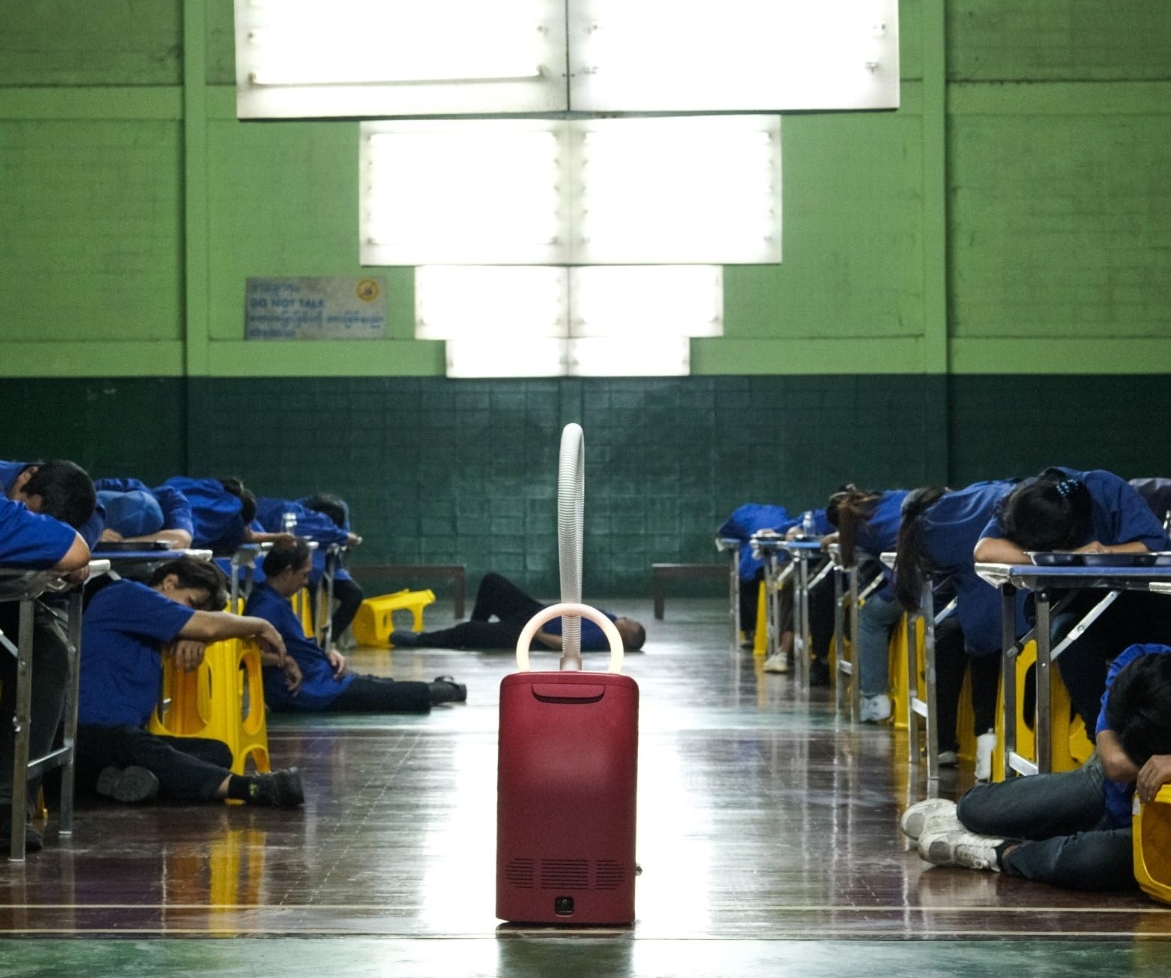
A Useful Ghost, the directorial debut from Ratchapoom Boonbunchachoke, reshapes the meaning behind our first and second lives with bleak, humorous cadence. An unnamed character (Wisarut Homhuan) buys a vacuum cleaner after the dust generated from the city construction wafts into his apartment. After contacting the company about the machine’s mysterious dust output at night, the character is visited by hottie repairmen Krong (Wanlong Rungkumjad), who quickly resolves the issue and spends the rest of the film relaying the story of how these vacuum cleaners become haunted.

The story-within-the-story begins with Madam Suman (Aparisi Nitibhon), the manager of the vacuum cleaner facility who becomes dismayed when a deceased employee possesses the heavy machinery, causing the site to shut down (“A ghost is even less hygienic than a speck of dust,” an inspector states with convicted reasoning). It becomes a more distraught, personal issue when her son, March (Wisarut Himmarat), a devastated widower who returns home to help bring the company back online, is distracted by a particularly affectionate vacuum who has claimed herself as inhabited by his dead wife Nat (Davika Hoorne). At this point, Suman has had it: she tries to get Nat arrested through illegal possession of her property and puts her son through ECT to forget about Nat, which in turn will make her disappear for good once she recedes from the living’s memory.
The concept of ghosts, especially in Thai culture (known as phi), is less of a metaphor and somewhat of an acceptable, everyday nuisance. As March and Vacuum-Nat learn their new normal despite disapproval from March’s elderly relatives, the film shows how people may contort their views and comfort levels to fit their needs or their lives’ missing parts. After a bit of resistant fudging, Madam Suman asks Vacuum-Nat to confront the company ghost. It might sound absurd to spell out more than what is presented, but tonally, Boonbunchachoke and co-writer Geoffroy Grison know exactly what lines would absolutely kill when said in deadpan fashion. Think Lars and the Real Girl with its vital organs replaced by a Yorgos Lanthimos character, and A Useful Ghost might be close to that Frankensteined monster of black comedy. I’d love to quote lines here, but it doesn’t read quite as well unless you hear Nitibhon blankly share, “That’s not how we use vacuum cleaners,” when she and a monk catches Vacuum-Nat and March in nippleplay.
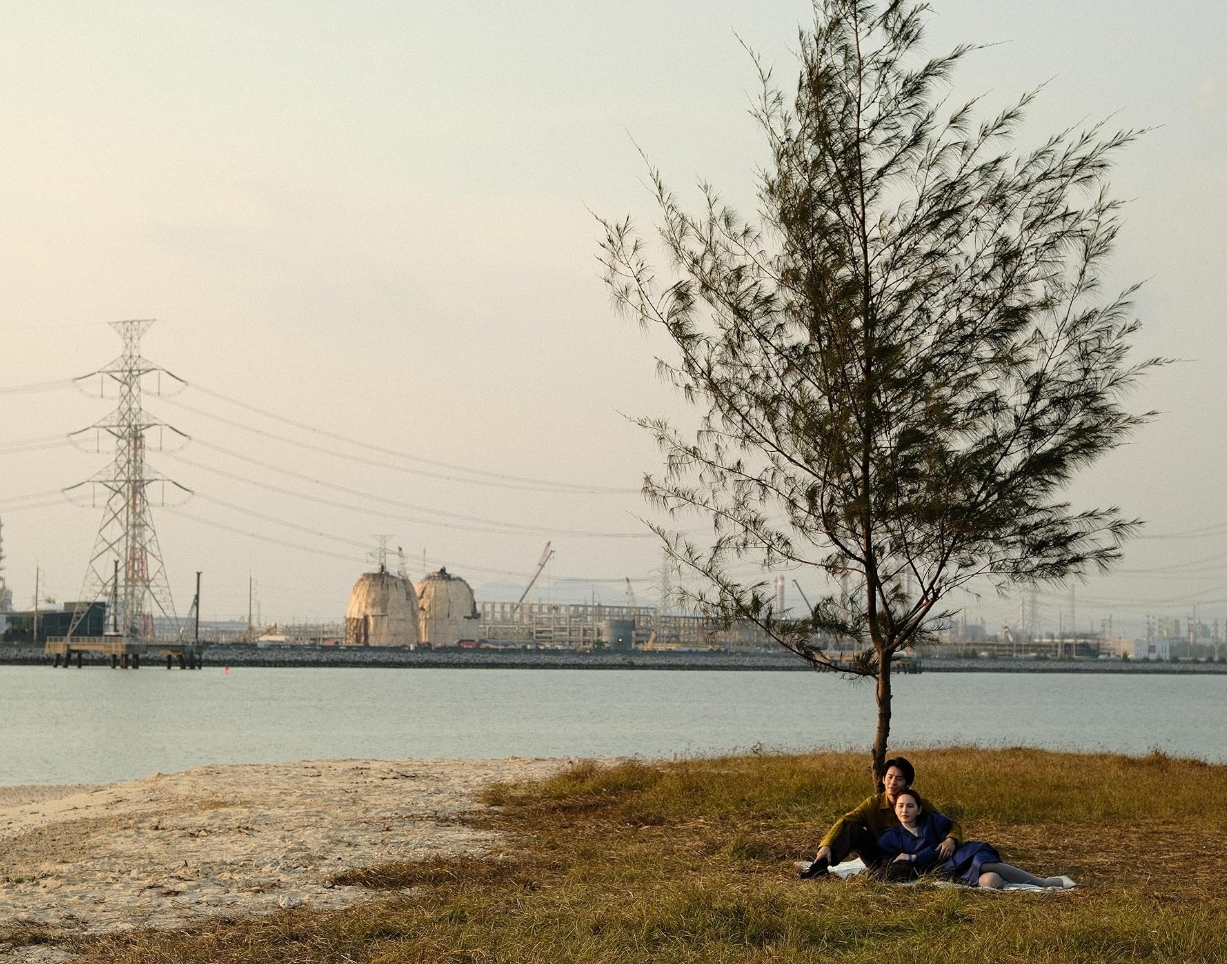
Nitibhon and Hoorne are stars of the film’s macabre inflection against this goofy world. But as the film refines to a pointed narrative between the ghost-vs-human and ghost-vs-ghost struggles, we realize the missive illustration of unfairness. The ghost of the factory, Tok, claims that workplace exposure to the dust caused his early death, even though Madam Suman claims that his pre-existing heart disease is what did him in. It appears that the ghosts inhabiting the living space are those who felt wronged by their deaths (Nat’s death was also premature, also carrying over the death of an unborn son from a respiratory illness). Classism lingers in the background, clutching to the rights of existence and the privilege of bargaining.
“As a child, I thought that this place doesn’t belong to us,” the unnamed character says to Krong when the possibility of the landlord repossessing his living space was shared. It’s the lack of surprise to an welcome change that carries forward this movie’s unwieldy plot territories. Even in the way that this film is created, from the camera’s oft-stillness to the mere fact that you become easily accustomed to the weirdness past Vacuum-Nat, Boonbunchachoke shares that even life will find a way to adapt in bizarro or unjust circumstances.

In The New Yorker writer Hua Hsu’s Stay True, a book about the moving waves of grief, he humorously (or not) questions Diddy’s motive behind “I’ll Be Missing You”:
“Would Puff, as the song claimed, actually give it all away for Biggie to come back? What did it mean to represent for another, to bring them with you on your adventure? Would they one day be replaced by the character you invented in tribute? Maybe he just wanted to keep him around until he understood how to properly mourn him. To keep him around, a living memory, until he was ready to move forward, alone. Not raising the dead so much as singing along to an echo.”
As life changes, so do our relationships and values to the living and dead. I can’t wrap my head around what Biggie would be like today in 2026, let alone whether his life tethered to Diddy would be regretful (if not for obvious reasons). But the proximity of death allows the space for that mental roleplay, and A Useful Ghost lets its depiction follow its characters: the film’s introduction of a stone mural before it is evicted for commercial development, the playful inhale/exhale dynamic between humans and vacuum cleaners, the displacement of ghosts despite taking minimal real estate. Maybe we don’t have to ponder about expiration dates all the time, but if a movie presents a couple of hours for you to think about it, take up on its offer.
A Useful Ghost
2025
dir. Ratchapoom Boonbunchachoke
130 min.