Diractors is an ongoing series in which Hassle writer Jack Draper examines films, new and old, whose directors are better known for their work in front of the camera.
The list of documentaries directed by actors is pretty short. Fisher Stevens and Lee Grant come to mind first, both making movies about important capital-I Issues and capital-P People. I’m particularly fond of Grant’s movies, yet this idea of an actor’s sensibility seeping into their work as a filmmaker is more difficult when making nonfiction. In fact, it’s interesting we don’t see more cases of actors making docs to showcase the issues we see them preach about as commonly as we do (yet that would force them to put actions into their words). Colin Hanks now joins this short list with his new film John Candy: I LIke Me. It’s a real paradox that Hanks embraces– perhaps to a fault.
After the film’s premiere at TIFF, Hanks was asked about the struggle to make a movie about someone who was so sincere and uncomplicated. His (paraphrased) answer was, “I knew this was the challenge– even if he was worthy of having a doc about his life, what was the story? Typically in docs we’d see someone’s hidden demons or nefarious side, yet the traumatic event suffered was losing his dad at such a young age and seeing how he coped with that through his career. There were people we were talking to that could just say that John was nice, and the challenge was how we bridge our movie around that.” Candy was such a national treasure and one of a kind, yet he excelled at playing the decent everyman. “He looks like my childhood best friend’s dad,” I kept thinking the first time I saw Planes, Trains and Automobiles when I was 14 . Which, yeah, is also why the world at large cared for him. John never had to grow into a father figure on screen since he grew up without a dad in real life. A bit like when a character actor has a popular role so iconic they’re known for that age the rest of their career (like Max Von Sydow in The Exorcist).
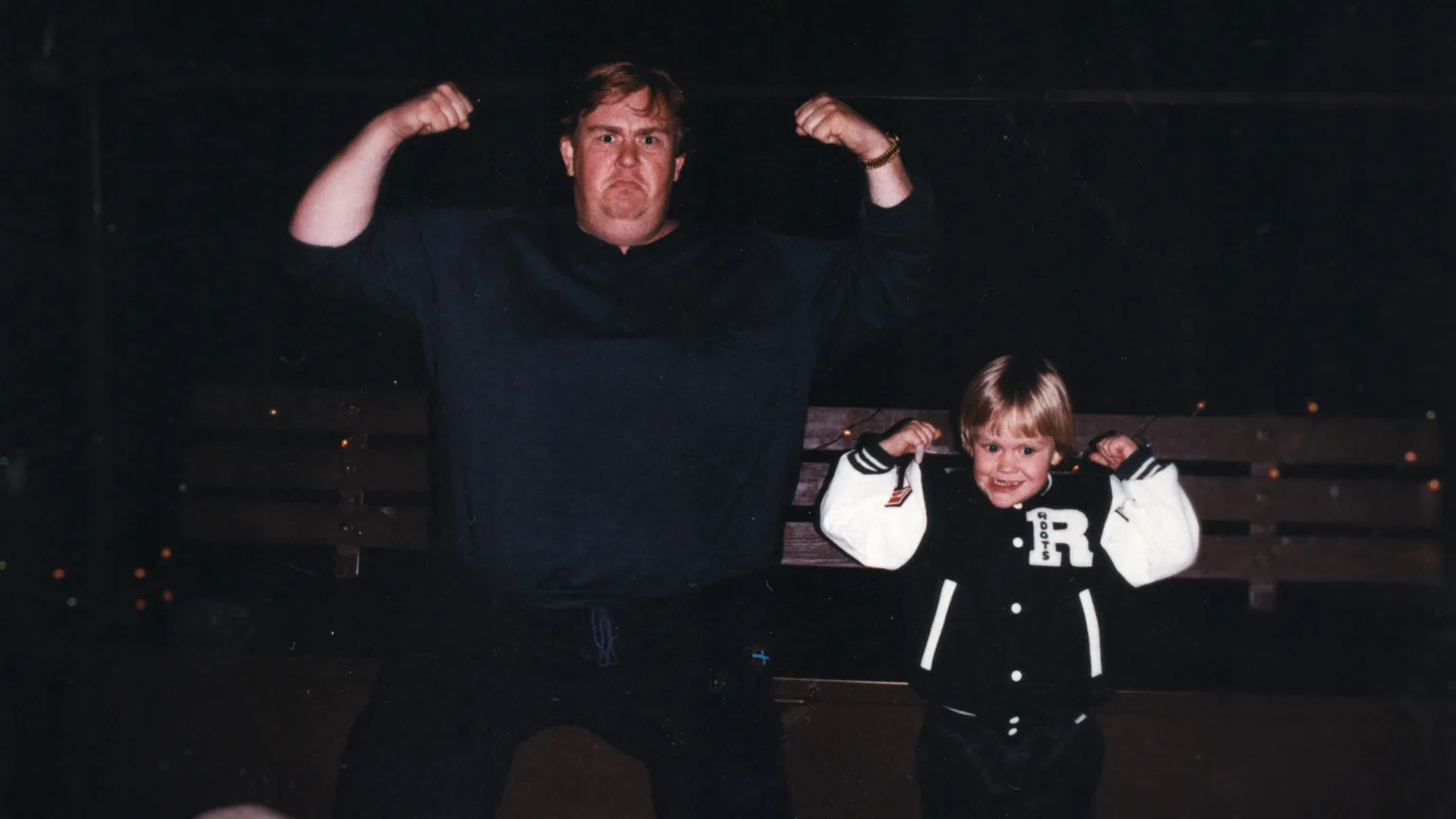
Hanks clearly loves John Candy– I mean, how can you not? This is a movie that can’t resist but begin and end with eulogies from his funeral. Hanks mines some interesting drama from habits that were self-destructive but legitimately selfless. In the early ’90s, for example, Candy grew immense anxiety from fame, leaving his family for filming movies and becoming an owner in the Toronto Argonauts. Candy continued to keep up his size and ignore his health, as he was advised to from studios, and was aware of how rapidly he was approaching the age at which his dad died. It’s this last thread that is mentioned by the director’s father, Tom Hanks, in an interview, thinking that John was on “borrowed time” in his final years. Candy felt he was destined to meet this incredibly sad fate before 50, just like his dad, no matter how nobly he chose to live his life. Never mind the demons he fought; there weren’t many career downfalls Candy had to claw his way back from. He was never bad in anything, in roles large and small from 1941 (1979) to Wagon’s East (1994), yet I Like Me refuses to give us a clear sense of how he grew as an actor.
It’s a pretty safe, lovely film from Hanks, made with heavy involvement from Candy’s family. It’s always nice to hear the stories of early SCTV from Eugene Levy, Catherine O’Hara, and others, as it was such a liberating time in comedy. Candy’s authenticity shined through his craft, as the audience bought into the performer so much more than the character– and everyone bought in the John Candy legacy. I Like Me feels the need to punctuate with an “actor with a hear of gold” obituary from his funeral. Which yes, its clear from the interviews and cultural legacy that it remains true even though we have a movie that settles for exactly that. Hanks’ assertion that Candy is “worthy of his own movie” is undeniable, and yet there’s nothing to educate or solve.
Oh, and Hostage for a Day, we’ll get to you soon.
John Candy: I Like Me
2025
dir. Colin Hanks
103 min.
Streaming on Amazon Prime beginning Friday, 10/10