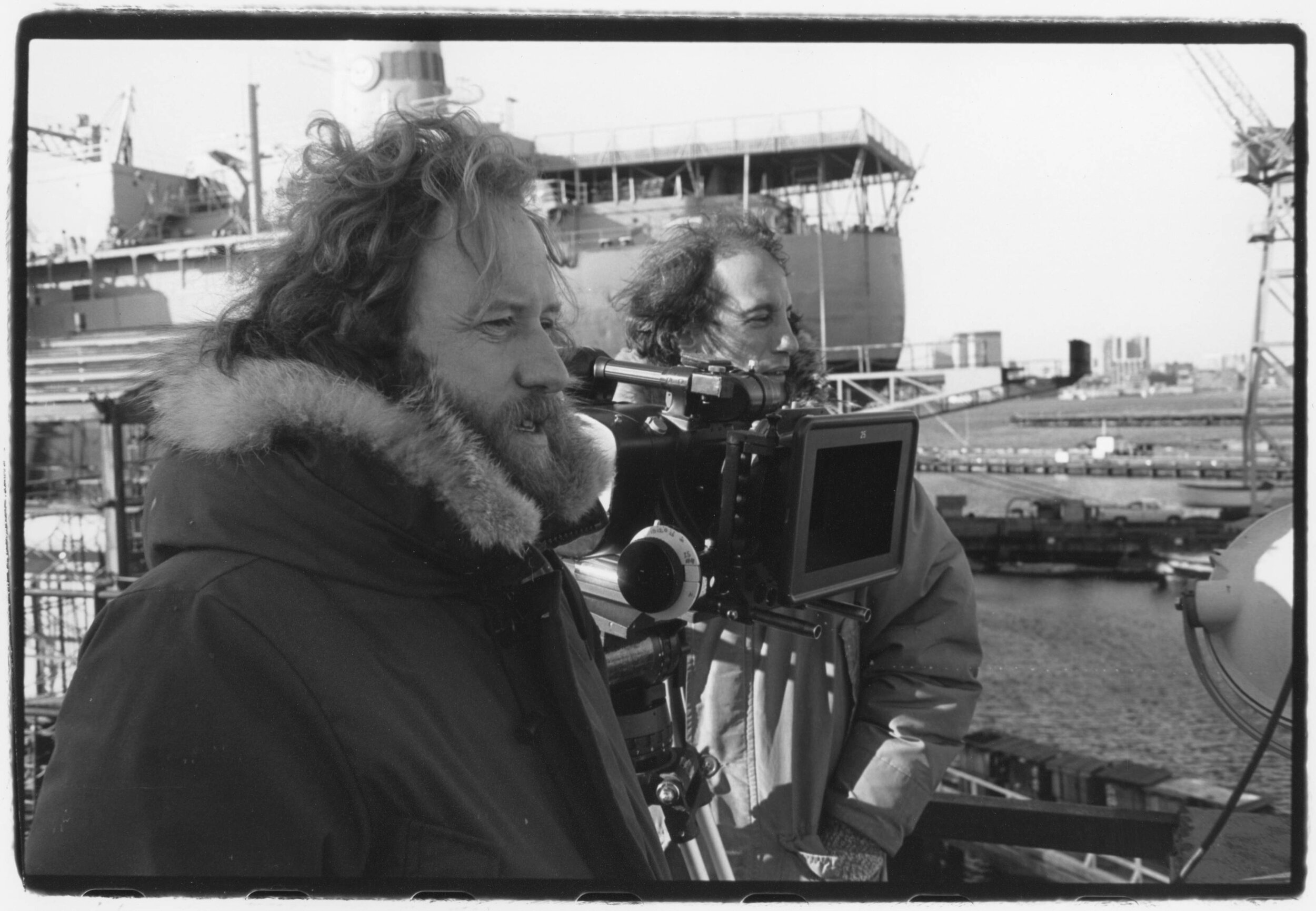
For someone with a deep interest in the cinematic history of Boston, the works of independent filmmaker Jan Egleson – who through the late ’70s and ’80s made a trilogy of groundbreaking social realist dramas in the city – had long been nigh impossible to find.
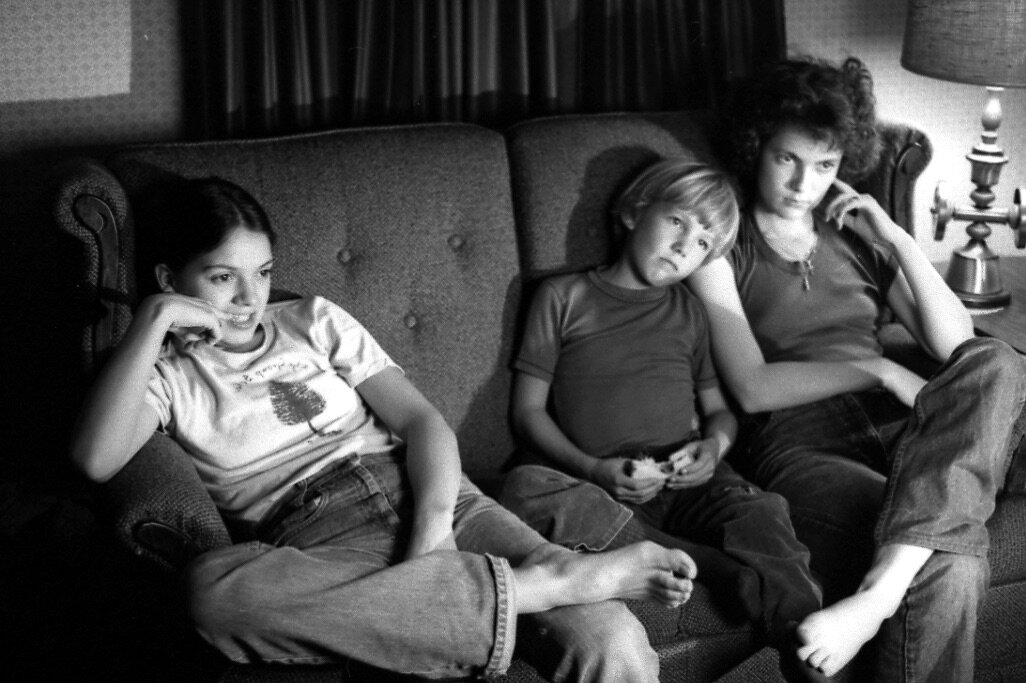
Out of print on video or never in print to begin with, Egleson’s “Boston Trilogy”, consisting of Billy in the Lowlands (1979), The Dark End of the Street (1981) and The Little Sister (1985) are vital pieces of local film history, tackling head-on issues of poverty, crime, racism and teenage rebellion. Shot with a mix of first-timers pulled from local theater groups and high schools, and professional character actors like Laura Harrington, Lance Henriksen and Richard Jenkins (and even featuring the first ever screen appearance of an elementary school aged Ben Affleck), Egleson’s Trilogy capture an authentic atmosphere of Boston as it was in the late 20th century. Fueled by a sharp sense for human drama and dialogue, they invoke a feeling for Boston and its people that I personally have only really felt in one other film, the Robert Mitchum classic The Friends of Eddie Coyle (which, incidentally, Egleson had a small role in).
Now, for the first time since 2008, the Brattle is screening six of Egleson’s films this weekend, with Egleson in attendance at each show. The series, featuring two screenings of Billy in the Lowlands and The Blue Diner and one each for the other four works, is an exceedingly rare opportunity to see these formative Boston movies on the big screen.
Besides the Boston Trilogy, the series also features three later, locally made works selected by Egleson: the Kevin Bacon-starring American Playhouse production Lemon Sky (1988), the Godard-influenced Big Time (1989), and The Blue Diner (2001), a magical realist romantic drama about Boston’s Puerto Rican community where a young woman suddenly loses her ability to speak her native language Spanish.
Egleson, who now teaches film at Boston University, spoke with Boston Hassle by phone to discuss the upcoming screenings and his career, including his efforts to put together an independent production in an era where local filmmaking was nonexistent, the “lovely, wonderful burst” of creative output that followed Billy in the Lowlands, how the Teamsters working on Eddie Coyle inspired him to make stories about local people, and why distribution issues have been the prime reason for his work’s obscurity.
This interview has been edited for clarity and length.
BOSTON HASSLE: The last time any of your Boston Trilogy screened locally was probably 2008 when Paul Sherman’s Big Screen Boston book came out. It seems like it’s extremely rare that any of your films have retrospective screenings, so how did this one come together?
JAN EGLESON: I teach at BU in the film department over there and I have a colleague named Gustavo Rosa, and he pulled this together, which I’m very grateful to him for doing that.
These films – the first three, the Trilogy – were made long before Miramax and Sundance, before there really was a route to distribution, and they wound up on American Playhouse, which was a public television series. So they were all shot to be shown in movie theaters, but even back then it was a tough road, and now it’s maybe an even tougher road. Every once in a while there’s a little interest, and we get to show them in theaters, and that’s great. I love it, and I’m very thankful to Gustavo and to Ned Hinkle over at the Brattle for keeping these films alive.
BH: You made Billy in the Lowlands when there was effectively no infrastructure for independent filmmaking in Massachusetts. How did you go about connecting the pieces of even putting together a crew and a cast, let alone mounting an entire film production with there being no local resources?
JE: Sometimes when there’s a vacuum, you can walk in and it’s a little bit easier. I vividly remember trying to seek out some folks, even not in Boston, who could guide me – and they all said “Oh, don’t do it. It’s absolutely impossible. You can’t do it.” And like any good filmmaker, if you tell me “No,” I’m gonna run right at it.
I’d been working in the theater in Boston and had been doing a lot of plays and raising money to put on plays. My wife and a guy named Steve Seidel were teaching at an alternative school called The Group School, and they were doing a lot of drama with the kids. These were kids who’d all had trouble; dropped out of high school, trouble with the law, whatever. And the two things kind of came together, because it seemed like there were a bunch of talented young folks living in Cambridge up in the projects, and they had interesting stories to tell.
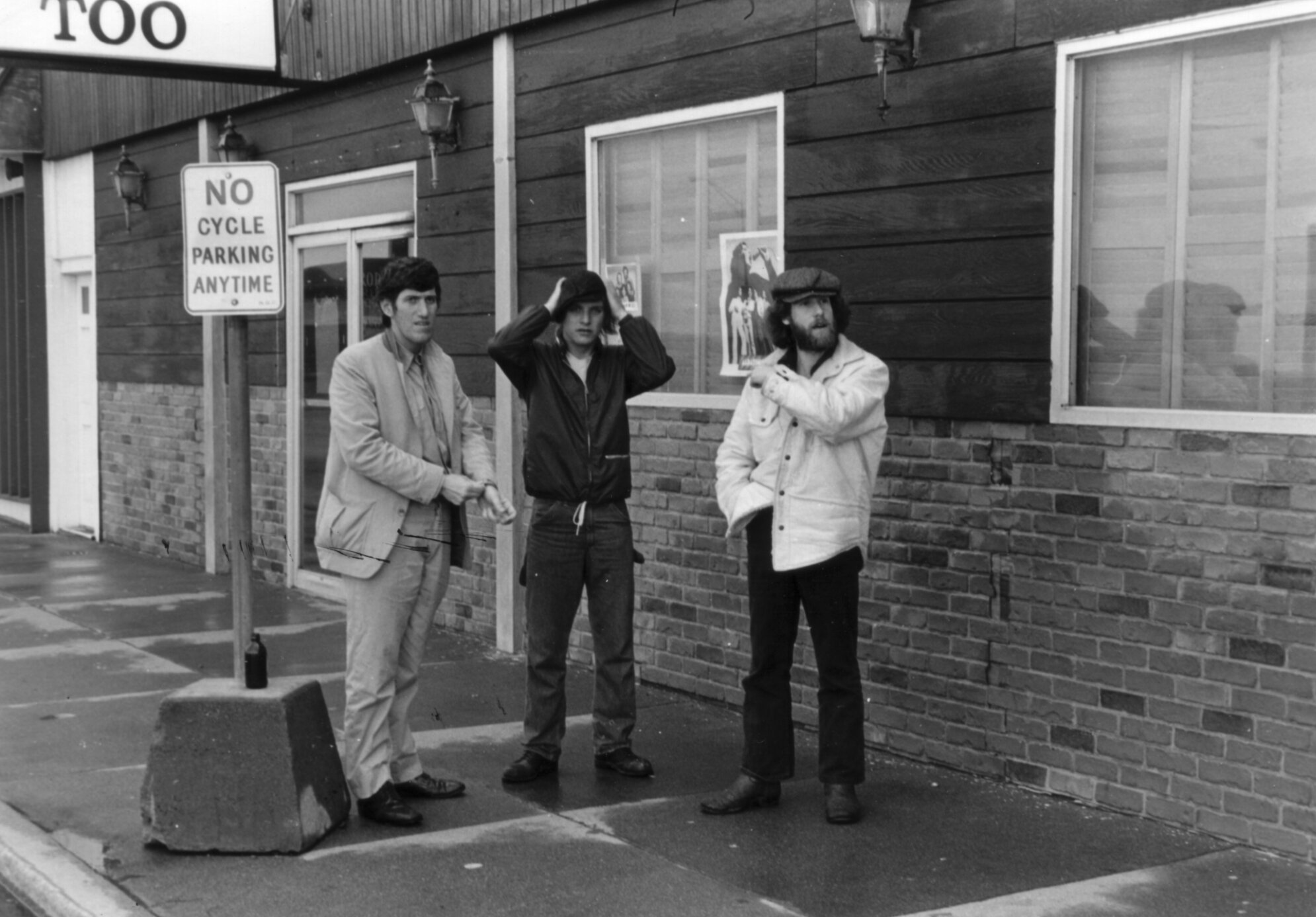
And then the third pole was that Boston was a very big doc city, and a lot of the modern, personal documentary style that we’re used to now really grew up here in Boston; at MIT with Ricky Leacock and some other guys. To make a long story short, we just borrowed their technique of documentary filmmaking and applied it to fiction. So we went out on the street with a group of kids who could act, with a script, but with a documentary crew that knew how to film it.
BH: What kind of reception did Billy have when you released it?
JE: We made the film because we wanted to make the film, and we made the film because there was a deep belief that there were stories to be told in cinema that the industry just wasn’t doing. In this case, it was about working class kids.
We didn’t really think about what we were going to do with this thing when it was done. I know it sounds weird, but we really just did it because we wanted to do it. Then, of course, once we’d made it and we realized people really enjoy watching this, then we began to grapple with how to distribute it.
It quickly became apparent that putting it in movie theaters was just not going to work. But it did coincide with the beginning of a small movement of independent films across the country. There was Victor Nunez in Florida, John Hanson in the Midwest, some guys out in California and the Independent Feature Project, which still exists, and it began at the same time. So we found two ways into the world. One was through them – they rented a theater in New York and we got a very nice write up in the New York Times; Vincent Canby, who was their reviewer, singled it out. It was shown at some festivals in California, and then the Independent Feature Project began to pick up steam and began to do screenings around the country. So that was the beginning of how we could get it into the world.
Eventually we sold it to public television, and that’s where it lived for many years. And we made the next two films basically thinking that they would be shown on public television, because we knew theatrical distribution just wasn’t going to work.
BH: After Billy in the Lowlands came out, there was a brief independent film movement in Boston. Namely, there’s Christine Dall and Randall Conrad’s The Dozens and Robert Jones’ Mission Hill. Were you guys all connected? And what was the mood like back then, when there was this sudden burst of artistic output in the city?
JE: Another guy that you left off, Rob Patton-Spruill. You might look him up. He was a little later, but he made a film called Squeeze, and that’s a really important Boston film. He was terrific and he was working down in Dorchester and Roxbury.
But in any event, there was a very vital doc community at that time. Then these films, you can see stylistically in what I was saying about how we made them, they really grew out of that. And yes, there was a little burst. There was a lovely, wonderful burst.
You mentioned the other films, I’m not sure there were more than that. So there’s not really very many – a handful. I certainly knew Randall and Christine and Bob, who made Mission Hill. Some of the actors overlap. Were we a community? Well, we maybe weren’t big enough to be a community, but we certainly supported each other and fed off each other. We’re brothers in arms, if you know what I mean.
BH: Backtracking a little to your beginning. You had a small role in The Friends of Eddie Coyle. That film is held up, for many very justifiable reasons, as one of the all time great Boston movies. There’s a melancholy that’s very particular to Boston in Eddie Coyle, and the only other time I feel like I’ve seen that was when I finally was able to watch Billy in the Lowlands and The Dark End of the Street. So, that’s my take, but I wanted to ask was Eddie Coyle influential as a film to your work?
JE: Yes it was. Absolutely.
I was working in the theater, I auditioned for the film, I got the part. It was my first exposure to filmmaking up close and meeting this wonderful cast of characters. I mean, [director Peter] Yates, and Bobby Mitchum and Jackie Kehoe, all kinds of people. It was just fantastic.
We were filming down on the South Shore. I only had two scenes, but there were a lot of technical difficulties, so I got a couple of extra days. I got to hang around with the crew and with the Teamsters and I loved it. It just opened a whole world to me, and I thought “Oh, my God, this really looks like fun.” And I loved these characters; I got more interested in some of the characters behind the scenes than in what they were doing, some of the Teamster guys who were from Winter Hill. So that was one thing that really pushed me into it.
The other thing, stylistically, I think you’re right. I think there’s a commonality of a feeling about Boston. I always felt very attached to it. You picked a great word, “melancholy.” There’s a kind of sad sweetness to these Boston films, and I’m not sure where that comes from, the city or the weather or something, but it’s one reason why I really wanted to stay here and make films. I just loved Boston. I loved the way it looked, I loved the way it felt. I loved the diversity. I just loved everything about it. As I said, if I could have had my wish, I would have only made films in Boston. It just wasn’t possible.
BH: You talked also about working with first-time, amateur actors, a lot of them from the streets. Henry Tomaszewski is such a pivotal piece of Billy and the other early films. I read that he had a pretty rough life. Could you talk about working with him, and what he was like as an actor?
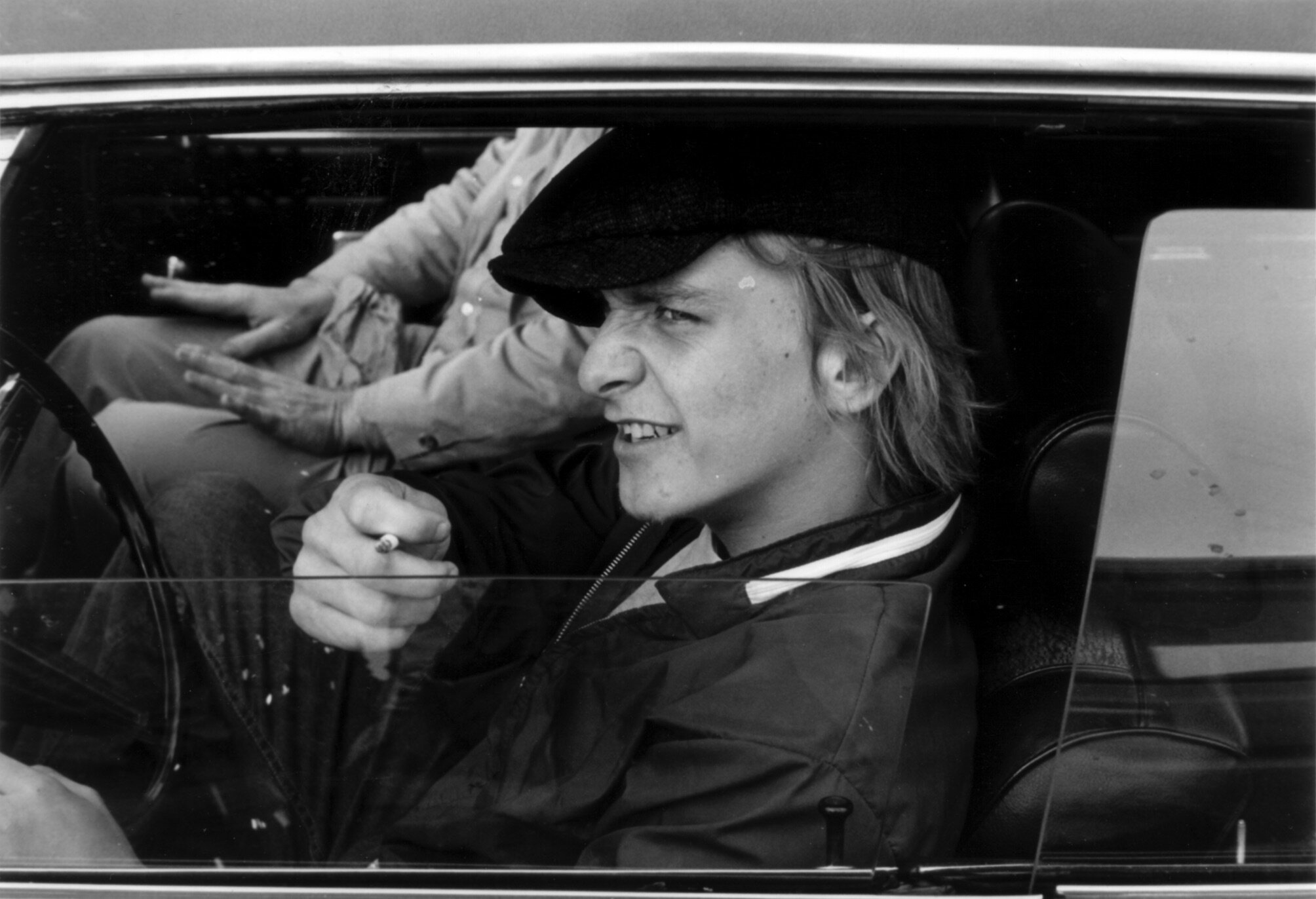
JE: Henry grew up in the projects in North Cambridge. He had a pretty rough go of it. He’d been in trouble like all those kids, dropped out of high school. But this young man could act. He didn’t know it, but he could do it. And those films, like all films that we treasure, we really treasure them because of the performances, and Billy would not be the film it was without him. I mean, he is the engine in the middle and the thing that humanizes it. So really, it’s his film.
Unfortunately, we’ve lost him. He passed away a few years ago.
I’m trying to think of the word; it’s more than “fortunate.” If our paths hadn’t crossed, those films would not be what they are. I mean, there’s no other way to say it. I don’t know if he could explain how he did what he did, but he could do it.
I kind of knew this from being an actor, but I sure learned it being a filmmaker, that if you can’t get the right actors, don’t make the film, because films are about the actors, and that’s all there is to it. In my book, you can do all kinds of fancy tricks, it really doesn’t matter – if that central life isn’t vibrant, then the film is dead.
BH: Talking about actors, The Dark End of the Street had some more professional actors in the cast. Lance Henriksen, Laura Harrington…
JE: Yep. Laura Harrington, that was her first role. And Pamela Payton-Wright, some wonderful actors from New York. We were beginning to mix them together.
BH: Lance Henriksen is probably the best known name there. He hadn’t quite made his name with James Cameron yet, but he’d done some big movies. How did he come in?
JE: I can’t remember the chronology exactly, but Lance and I had worked together at the theater company, so I’d known him and actually been on stage with him in a number of shows. So we were colleagues and buddies, and that’s how he ended up in the film.
Come to think of it, he had been to Hollywood by then, and I remember he came back East one day and he said, “Oh man, I really hit it this time because I’m in this film by this guy Spielberg called Close Encounters of the Third Kind. I’m an FBI agent, and I’ve got a lot of scenes with François Truffaut.” And so we’re all excited, then we went to see the movie and he’d been cut out of the entire movie, as Truffaut was cut out of most of the movie. But anyway, he’s a fabulous actor and just has this tremendous authority.
Laura came from BU, I think she was still an undergraduate at BU and honestly, after we made Billy and I began to learn what I was saying to you earlier, that films really live on performance, it took two years to make the second one not because we didn’t have the idea, but because we couldn’t find the actors to do it. And we’d really learned the lesson, don’t make the film if you don’t have the actor. And then she came along and she was fantastic. So that made the film come to life.
BH: I also wanted to make sure I talked about the later films. Jumping into Lemon Sky, that was produced for American Playhouse and it’s a big departure in style from the documentary naturalist style you cultivated. As a director, how was it going to this more theatrical stage studio approach?
JE: It’s 10 years later [after Billy] and what we discovered over those 10 years was that making films on the streets of Boston with working class kids – you couldn’t sustain it. Nobody would give you money for it. We tried. Tried and tried and tried. I have a stack of other scripts that I wanted to make, but they just weren’t commercially viable.
But what happened was, I got involved with this group, American Playhouse, and they were the only folks in America who would take risks on unusual material. [Lemon Sky] was a piece that the producer, Lindsay Law, had seen in the theater and he really wanted to do a film version for his series. He asked me if I could do it, and I had been to Yale Drama School, I was an actor, I had a long background in the theater, so it wasn’t such a great stretch even though, stylistically, it’s – I was gonna say 180 degrees, but it’s 490 degrees away [from the Boston Trilogy]. It’s all shot in the studio. It’s totally controlled. It’s a play – we weren’t allowed to change the dialogue, which made it pretty tough.
But it’s a beautiful thing and a beautiful performance. I guess the commonality is the performance; it’s Kevin Bacon and Kyra [Sedgwick] and Welker [White] and they’re fantastic. So to me, a lot of the job is always the same. You’re trying to capture that little spark of fire.
BH: Big Time is another big stylistic divergence, and you go very hard with the Godard influence.
JE: We threw everything at that thing because we didn’t know what to do with it. Frankly, just a weird story.
Lindsay had this play, and he had promised that he would make a film of it and he asked me to do it. And I said, “Lindsay, I don’t understand this. I don’t know what it is.” And he said, “Well, just you and your buddies go and do something.” That was just unheard of.
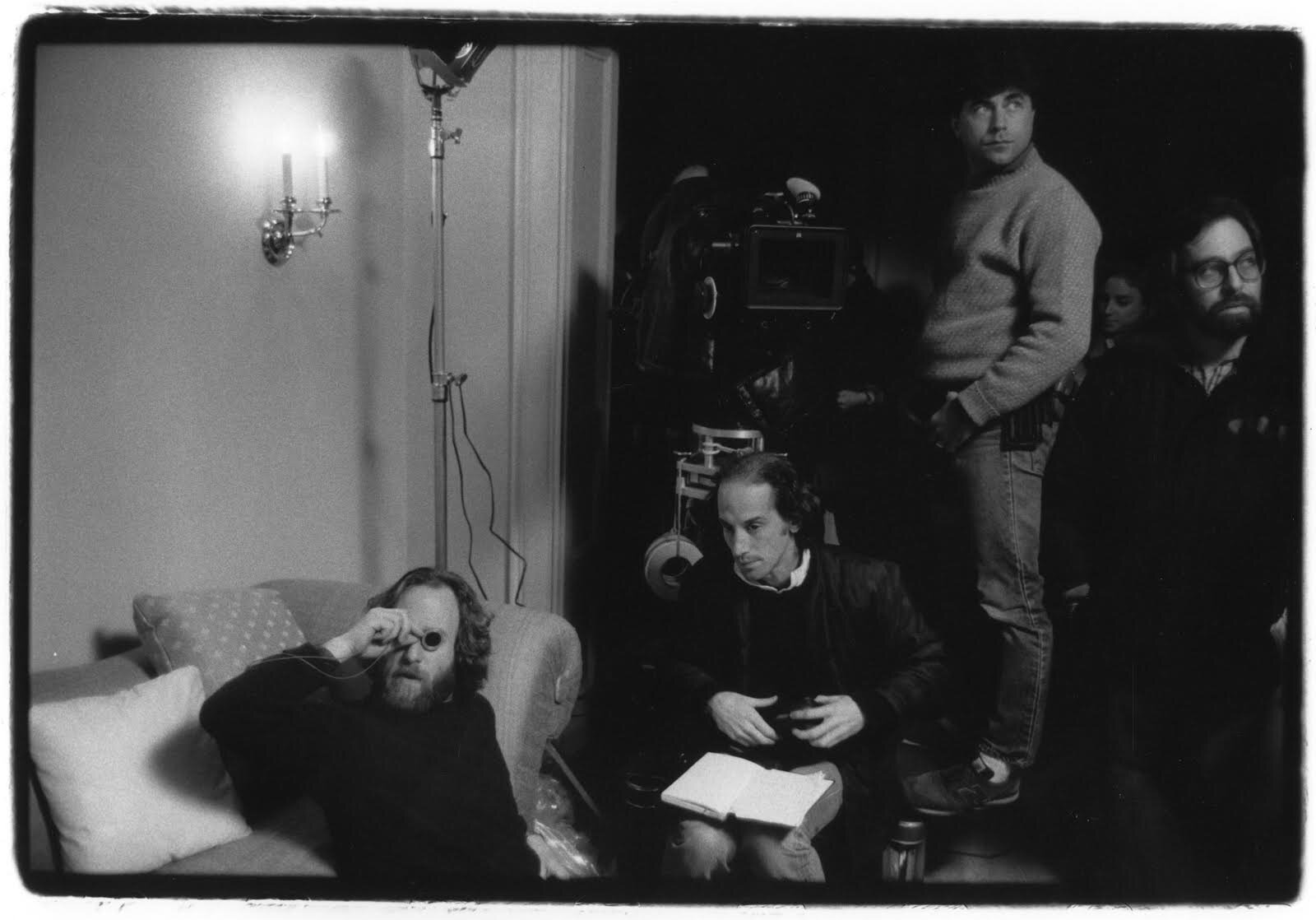
So we did, and that film has got so many weird twists and turns. It’s shot on 35mm, but it’s got Super 8 in it, it’s got Polavision in it – we were just all over the place! And we had maybe more fun than you should be allowed to have. And we shot all over Boston.
It’s a weird thing. I’m glad it’s being screened. I mean, it has its moments, but as an American artifact it’s somebody saying to a group of creators to just go and do what you want. It’s unbelievable. I’m not sure that viewers will be quite aware of how rare that is.
And there are moments in it that I absolutely love, I think the cinematography is to die for, and Mia Sara, who was the big star – she just did Ferris Bueller’s Day Off – is fantastic. So there are a lot of pleasures in it. Let’s put it that way.
BH: I also want to talk about The Blue Diner as well. You worked very closely with Natatcha Estébanez. I know she was your colleague at WGBH, and that she’s passed since, but you mentioned in the Big Screen Boston book about how it really was a co-authorship of the film. So I wanted to ask about how was the process of making that one and working in that collaborative mode?
JE: Thank you for mentioning that film, because it’s very dear to my heart, and partially because of her and her legacy.
Natatcha was a fantastic filmmaker. She worked at WGBH, where I met her. She did La Plaza; she was the executive producer. She did a lot of music documentaries, Paco de Lucía. She was a great music aficionado, a fantastic documentary filmmaker.
It was the end of the 90s, and I was back in Boston. I was done with Hollywood and I wanted to get back into telling stories about Boston and about folks who just aren’t seen in cinema. And she had the same vision.
She was Puerto Rican by birth, and obviously I’m not, and she said, “Well, listen, maybe we can get together. I’m a documentary filmmaker, you’re a fiction filmmaker, I’m part of that community, you’re not.” And it began to remind me of some of the early films where my contribution was to say, “I know how to tell these stories on film, but you know the stories.”
We absolutely worked together, writing the script every scene was co-written. We sat in a room with a typewriter and did it together. It’s kind of nonsensical that I’m called the director and she’s the producer: we did both. It’s very much her voice, so really, all credit to her. A great loss. She was a fabulous filmmaker.
I think we shot it in 1999, I can’t remember, around 2000 – all in Boston – and we had a wonderful editor, Jeanne Jordan, who herself is a fantastic documentary filmmaker. Boston crew, low budget on the streets, the same thing that we were doing 20 years before.
We didn’t have a lot of money, of course, it was low budget, and we scraped together the money and were going to shoot it in Super 16 – which not to get all geeky is a wonderful format, but it’s not 35mm. 35mm looks different, and Natatcha insisted that we shoot it in 35 because she didn’t want the film to be ghettoized as a “street film” about Puerto Ricans. She wanted it to look like a “grown up,” so to speak, Hollywood-esque movie. So we shot it in 35 and it looks fantastic. But there was a cultural reason behind why she wanted to do it. And I think she was right.
BH: The hardest thing about your career it seems was distribution, and that’s probably why these films aren’t more widely seen. A few years ago, you made them all available for free on your Vimeo page. What prompted you to just finally put them out there?
JE: I remastered all the films. I got them up to 4K so they were looking pretty good, and maybe 10 or 15 years ago, I basically bought the rights back to seven of my films, including the big Hollywood one, A Shock to the System – that’s a whole other story. We don’t need to go into that.
But I ended up owning the rights to them, and I sold them to a home video company called First Look, which has now gone bankrupt. And they were distributing these films and I could see by going on Amazon that they were selling very well. I knew they were, and I never got a dime from them. And that is very typical of Hollywood, unless you’re a studio the distribution path is so difficult.
And then I thought, well, what’s the difference? I might as well just put them on the website for free and let people watch them, and they’ll exist there and that’ll be great. So that’s what I did. I just realized that as an indie in America, you can’t do it. The business is just too awkward. And with streaming other people have tried to reinvent it, giving their films to Amazon. We’re just in a spiral now, where nobody knows how to monetize these movies, it just can’t be done. So you might as well put them up there for free. Not everyone can do that, but I did because, you know, come on.
BH: I read an interview you did back in 2013 and you mentioned maybe reaching out to Criterion. Did you ever get in touch with them?
JE: I did once, I’m going to do it again. This episode at the Brattle reminded me I really want to do it. I think every filmmaker in the world wants to be part of the Criterion Collection. It’s a heavy lift, they don’t take a lot of films. They curate it very carefully. That’s why everyone wants to be part of it.
I hope they will take them. Like the early films or not, they are now part of the history of American independent film and I think they should be there. That’s going to be my wrap to them. So, yes, that’s my next task: go back and approach Criterion.
BH: You said you see these films as part of the history of independent film. Looking back on your career now, and I know it’s been a while since you last made a film, how do you feel about the work overall?
JE: I’m not quite ready to sum it up. I just want to put a little plug. I did just produce a film for a local filmmaker, Eric Aronson, he made a film called Any Day Now. It was just in the Boston Film Festival and shot entirely in Boston, and based loosely and inspired by the heist of the Isabella Stewart Gardner Museum. It’s a real Boston movie.
We’re struggling with distribution, just as I did 20 years ago. But I’m still doing it, and I’m lining up another project to shoot, and I’m still going to keep doing it. I’m going to try and be the oldest living independent filmmaker in America. That’s my goal. How’s that?
Six Films by Jan Egleson runs from Friday, 10/4 through Sunday, 10/6 @ Brattle Theatre – click here for showtimes and ticket info