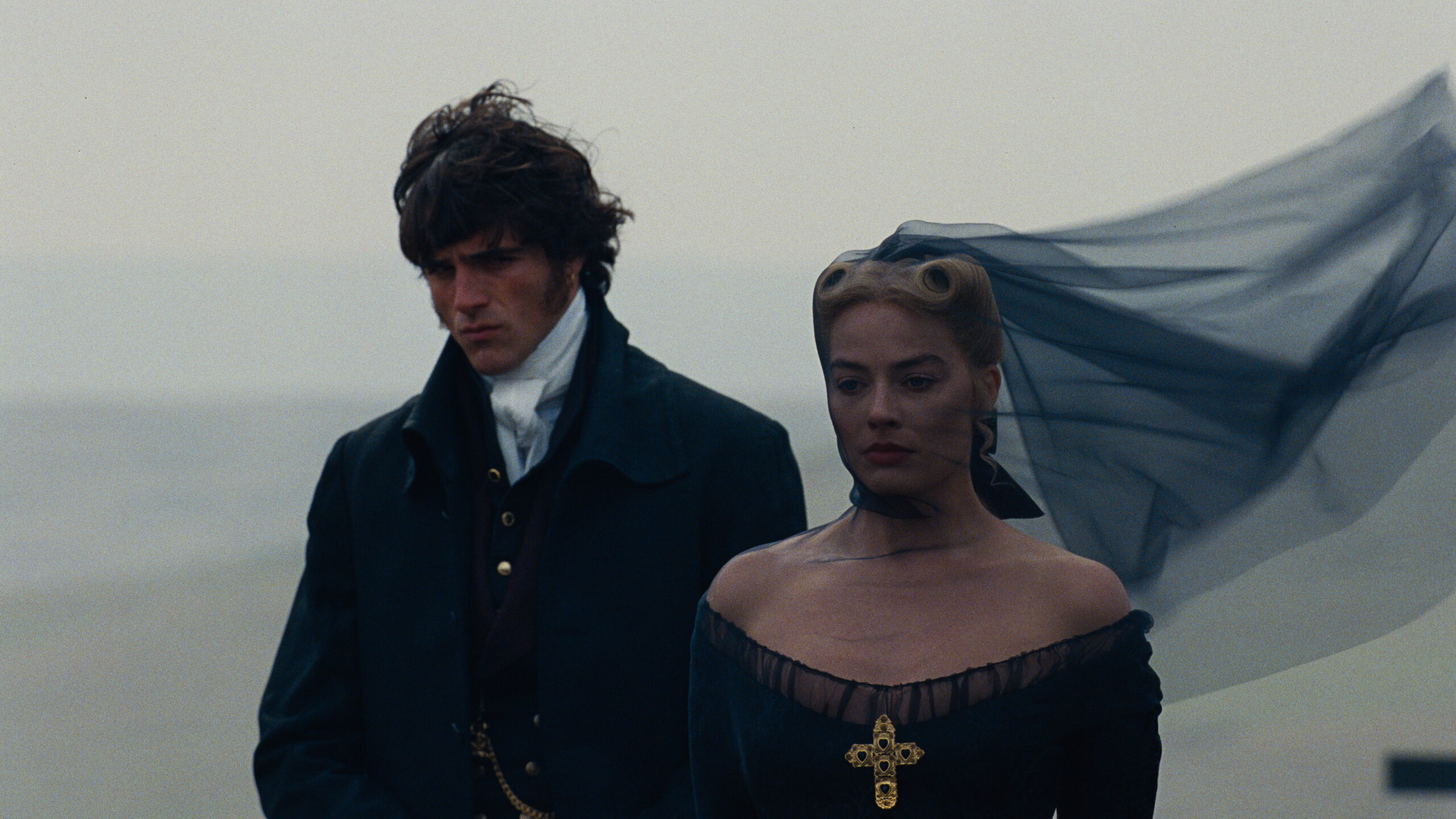
“Wuthering Heights” is a hot, heavy, and disastrously composed epic love tragedy, disregarding much of the intellectual depth Emily Brontë wrote in the original 1847 novel in exchange for a lot of bad sex, garbled monologuing, and self-endowed psycho-sexual torture that could’ve been entirely avoided if everyone just talked things out from the get-go. Sure, the sights, sounds, and most of the costumes are breathtaking; Elordi and Robbie’s dynamic is irresistibly magnetic, and the ending sees everything dovetail in a heartshattering way. Yet there’s too much dull melodrama, meaningless dynamics and plot threads, wildly perverse sexual takeaways, and no focus on this love story’s true enemy to make Emerald Fennell’s “Wuthering Heights” entertaining, let alone substantial. It’s just a messy, lazy, but well-visualized and portrayed attempt at demonstrating how class, status, gender, and more unfairly divide and torment lovers and have across time.
“Wuthering Heights” follows an unlikely love pairing in the 1800s English countryside. Catherine “Cathy” Earnshaw (Margot Robbie), the daughter of the abusive alcoholic Mr. Earnshaw (Martin Clunes) who owns the Wuthering Heights estate, and Heathcliff (Jacob Elordi), the peasant boy Mr. Earnshaw brings in as a kid, promising to “save this boy from poverty” and declaring him Cathy’s “pet” (she even gives him his name). Fennell attempts to explore themes of trust, betrayal, social status, norms, lust, abuse, and the fine line between sexual kinks and harassment under the pretext of a forbidden love story. There’s also Cathy’s paid companion, Nelly Dean (Hong Chau), the illegitimate daughter of a lord and forced shadow of the barbaric Cathy from a young age. Heathcliff and Cathy immediately hit it off, and their bond remains romantically tense as they grow into adulthood. However, as social expectations lurk around the corner—and Nelly’s anger towards Cathy as she constantly uses, verbally abuses, and degrades Nelly whenever she pleases—Heathcliff and Cathy find themselves divided by economic differences and the latter’s reluctance to “degrade [her]self” by becoming a peasant. Angered by such reasoning, Heathcliff runs off, gets rich, and comes back only for the pair to psychologically torture each other as Cathy is now married to a different wealthy man. As their undying devotion towards each other sparks chaos in their lives (or so it seems), they must decide what is worth more: stability or happiness.
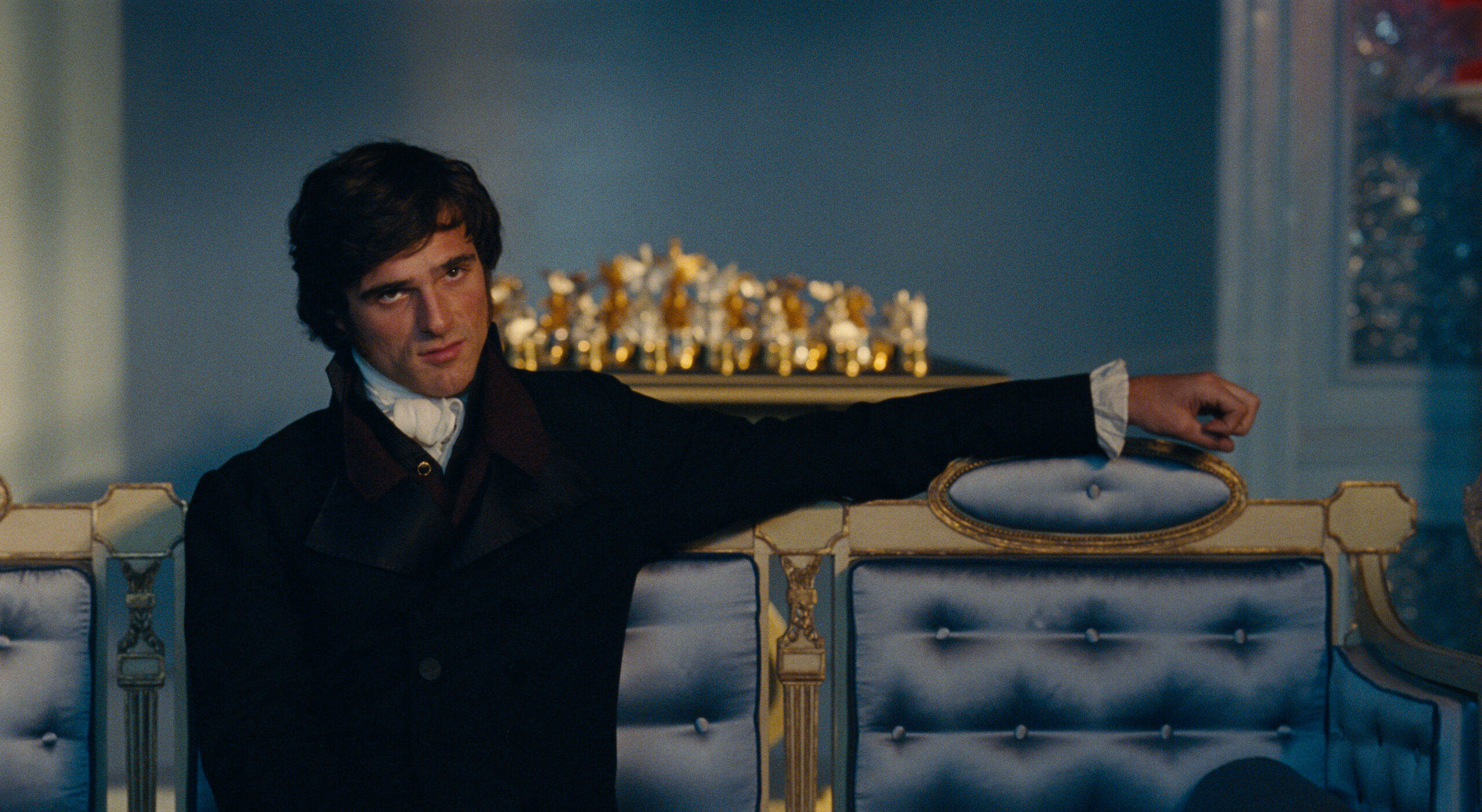
Much of what “Wuthering Heights” offers is beyond amateurish—it insults what Brontë’s complicated story of hate vs. love intended in its roughly choreographed sex scenes (Elordi literally reaches into Robbie’s mouth and seems to wiggle her tooth whilst licking her neck and temple) and hollow reach for tortured love. I haven’t even read Brontë’s work and can still confidently warn that soap opera-corny dialogue, overblown conflicts, a lack of focus on Wuthering’s true messaging—let alone anything to do with Nelly, whose importance only arises by the film’s end—disregards any of the highbrow intellect with which Brontë’s work is accredited. Everyone spends their time overblowing whatever situation they’ve either put themselves in, even if it’s fairly ordinary; “I said you would degrade me, but I didn’t know I would degrade myself,” Cathy at one point confesses as the pair have sex for the umpteenth time, suddenly growing a conscience about the cheating situation she created in entirety by rejecting Heathcliff and offering herself up to her current husband. It’s hard to feel anybody’s really “degraded” further than they were when we met them, and until the final 15 minutes, they feel as static-y as this writer’s white noise machine. They talk a helluva lot about the traumas they endure and how “we’re doomed” all the time, but they don’t even try to break their toxic cycles. It’s much easier to keep complaining and to find ways to make happiness forever impossible for themselves and, sometimes, for others. Plus, an entire component of Heathcliff’s character—his being not white—is void here. Giving Elordi a single earring doesn’t change that, and despite his redeeming performance, Heathcliff as a character is that much less compelling with so much of what makes him othered cut from the picture.
The choppy intimacy is also arguably Wuthering’s biggest sin: sex scenes take up maybe a third or half the film, yet they’re so poorly directed and weirdly kinky that they just feel discomforting or hilarious to watch. Fennell re-angles “Wuthering Heights” to have a ton of 19th-century kink display—pup play, horse whipping, and quite a bit more—changing what are, at least in the source material, scenes of dystopian abuse into unsettling, strangely modernized, and poorly executed representations of what kinky living looks like. For example, Heathcliff at one point decides to take Cathy’s husband’s sister, Isabella Linton (Alison Oliver), and turn her into basically a sex slave. While this initially gets set up as one of the film’s darkest instances of generationally passed abuse, where Heathcliff found his “match in degradation” so Cathy wouldn’t need to worry anymore, it quickly folds as Isabella makes it clear she’s right where she wants to be: “But I am home,” she says, winking whilst collared, chained to the floor, crawling on all fours, barking like a dog and eating food from Heathcliff’s hand. Combine that with mostly oddball sex scenes akin to that tooth-wiggling scene, and everything related to sex feels crafted by a sexually inexperienced teen with too much Reddit exposure. It’s a misrepresentation for those who actually indulge, and it’s poor form for everyone else. Few moments achieve hot, steamy lovemaking without feeling bizarre or plain silly—deflating much of the lustful tension that’s needed not to make viewers feel uncomfortable.
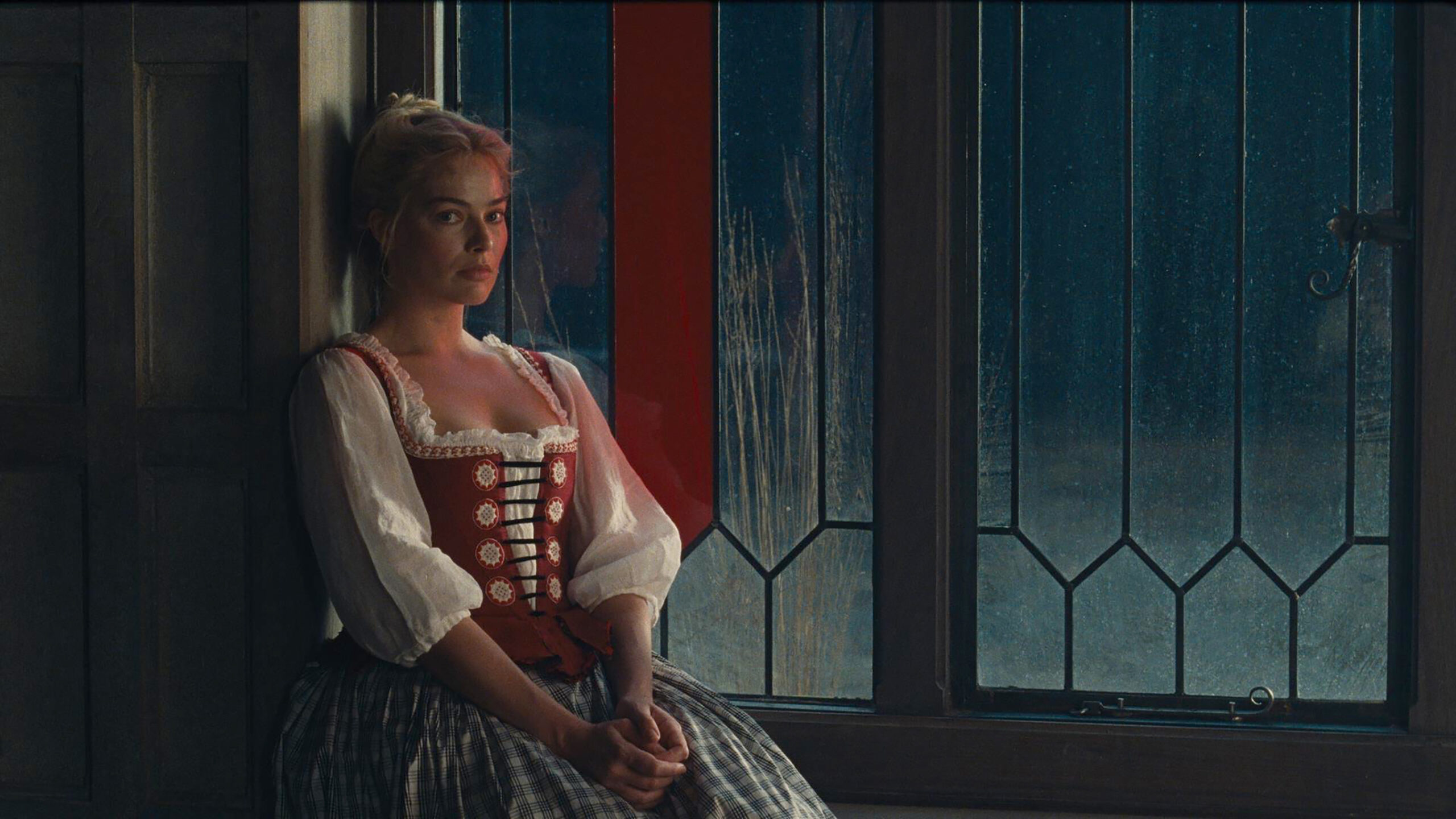
It’s such a shame that Wuthering just can’t reach the Heights it desperately desires. Elordi and Robbie are so charismatic in their roles, it’s hard not to feel embarrassed about the script they have to work with, especially when the last 15 minutes suddenly remember what “Wuthering Heights” is about and ends everything tragically (and faithfully). Had there been more faithful adaptability and better dialogue, as the ending not to be spoiled here proves, Emerald Fennell could’ve achieved a breakthrough in classic romance moviemaking instead of this generic, near-washed-out nonsense. For gothic romance fans, perhaps “Wuthering Heights” bolsters just enough star power to pass as a sweaty, 1800s English bedroom fantasy, but for most, it’s either dull, disconcerting, or dreadfully funny. Nothing’s missed in skipping this depiction of the Wuthering Heights estate and its crazy inhabitants.
2026
dir. Emerald Fennell
136 min.
In theaters now @ Alamo Drafthouse Cinema Seaport, Apple Cinemas, Capitol Theatre, Cinema Salem, Coolidge Corner Theatre, Landmark’s Kendall Square Cinema, Lexington Venue, Maynard Fine Arts Theatre, Patriot Cinemas, West Newton Cinema, and all local AMCs