
Rental Family is a moving, culturally aware, and empathic film about the connections made in a real Japanese family-and-friend rental concept started in the 1990s. With a pleasant ensemble anchored by Brendan Fraser’s sentimental performance, Rental Family explores universalizable themes of loneliness, individual vs. collective purpose, reliability, and human connection through a Japanese-cultured, humorously sad story of fake-it-until-you-make-it bonding.
Phillip Vandarploeug (Fraser) is a white American struggling actor living in a cramped Japanese apartment. After a successful toothpaste commercial gig, his agent finds him bit parts until she calls with an “experience” heavy job and no details. Upon arrival at the “experience’s” given address, Phillip finds a fake funeral run by Rental Family—a small company run by Shinji Tada (Takehiro Hira) with two other employees, Aiko Nakajima (Mari Yamamoto) and Kota Nakano (Kimura Bun)—that designates actors/actresses to fill in family, friend, and other companion roles for those who need them. Reluctant but desperate, Phillip joins, immersing himself in a smorgasbord of different relationships, whether or not outsiders or even the relationship’s other half is aware of the lie. Two such continuous (and falsely construed) relationships—one where Phillip’s the “father” to a little girl named Mia (Shannon Gorman) as she needs a male parent for private school admission, and one where he’s a “writer” who’s fascinated with the life and work of now-old and dementia-riddled actor Kikuo Hasegawa (Akira Emoto)—slowly morph into truly impactful connections for Phillip. Through them, he learns of his purpose, new lessons, the profound value of human connection, and how shallow his company is in its more abusive practices. Phillip must decide what is most important to him—a career or a care—and address Rental Family’s unethical practices to better emotionally support himself and all of the company’s clients.
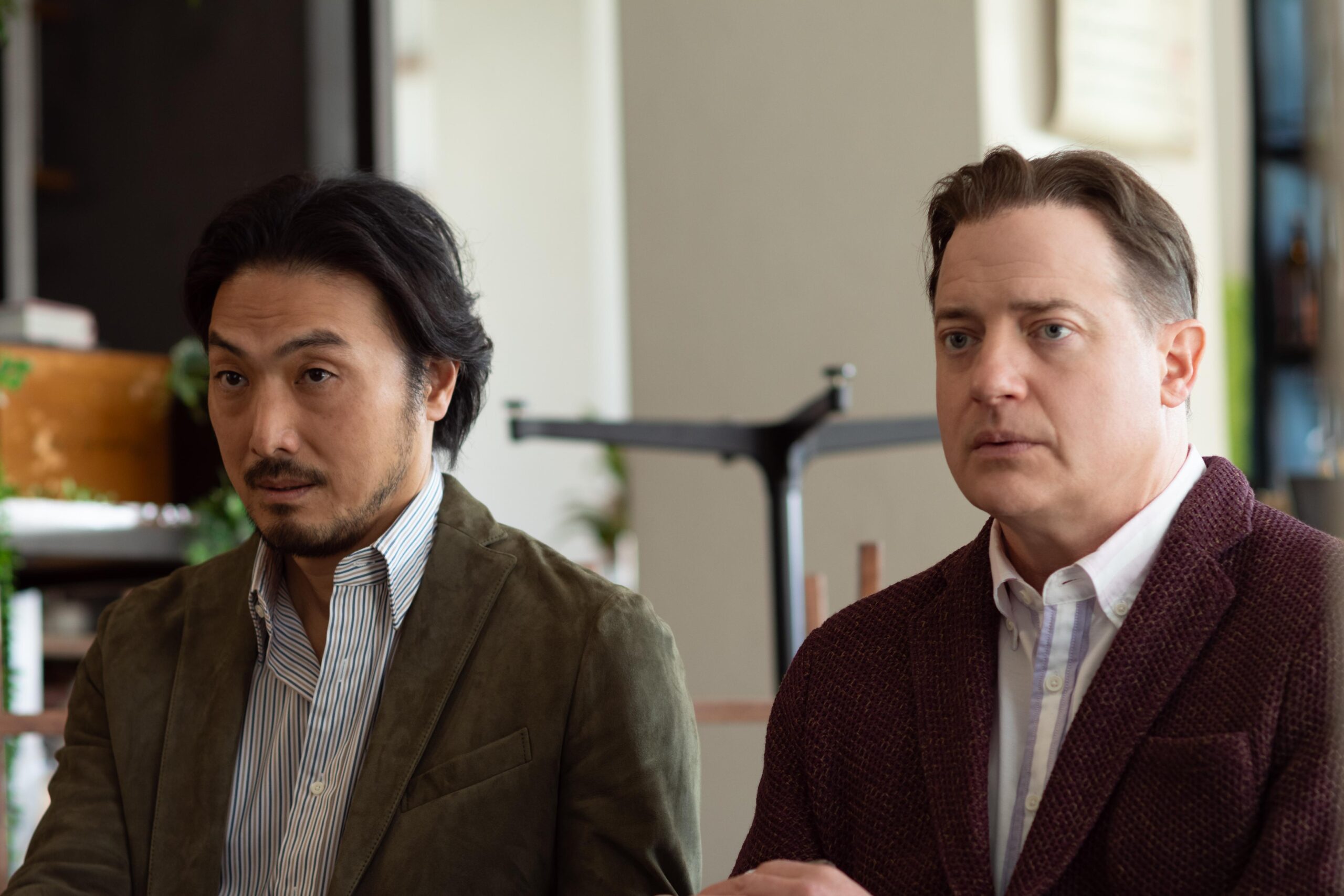
Relationships of any kind are complicated. They tip, they turn, they strengthen, and they weaken with every decision, interaction, and action done towards or involving our loved ones. Not to mention the sociocultural norms and taboos that articulate what we can and cannot do with different kinds of people (which Rental Family deftly conveys through its picturesque cinematography and unspoken cultural dissection of Japanese life). Speaking as someone who hasn’t spoken to a side of his family since a falling-out 12+ years ago, sometimes they also burn down—often leaving those most affected on their own. No matter the reason, feeling distant from family and having little to no friends is fiercely isolating. In Rental Family, Phillip finds himself in such a situation. He’s got nobody in Japan; he spends his evening peering through the lit windows of apartment-settled neighbors across the way, drinking whatever’s available, bearing a heavy smile on his concrete balcony reminiscent of a certain L.B. Jefferies in Alfred Hitchcock’s Rear Window. Not that there’s anything standoffish about Phillip, as he’s undoubtedly a likable soul with a dry sense of humor. He’s just ended up alone, and it’s hard to self-motivate when there are no people or purpose to fulfill. With or without inherent extroversion, though, Phillip’s first experience under Rental Family’s (RF) employment is a bit bizarre for American standards.
As a funeral procession unfolds with a woman weeping, “Why did you have to leave us so soon?” over an open coffin with a very much living person laid in it, he initially glares with the widened eyes of a spooked deer. Once the procession ends and his new boss Shinji informs him of his lateness, he gets the company’s gist: “Nothing about that was faked, especially not for the [fake dead client]. That was a ‘Specialized Performance….’ We sell emotion.” Why not get a therapist? Why not get medicated? Because, as in so many places in the world and even a significant part of the U.S., emotional well-being is scarcely discussed or normalized: “It’s complicated here. Mental health is stigmatized. So people turn to… other means,” Shinji says, neck stiffened at the thought of people’s inability to cope directly. Though still reluctant, watching the client burst with energy and gratitude as he bows giddily to Shinji about the event convinces him of RF’s emotional comforts, which he then lends to his new clients. He also learns of the service’s social escapes, like posing as the new husband of a woman with hetero-traditional parents whose real wife awaits her in Canada, which only further reinforces RF’s benefit to clients and himself: “It was joyful,” he later spills about the fake wedding. “I haven’t felt like that in a long time. I know it’s fake, but parts of it feel real.” Phillip carries those “joyful[ly]… real parts” into relationships where they’re needed most—Kikuo and Mia—to unexpected mental virtue.
Once Phillip convinces Kikuo of his supposed interest in the actor’s life, Kikuo delves into his passions as heartily as he might with a close friend. They drink together, remember together, and find similarities in their vastly different lives. As the beauty of Kikuo’s past becomes words of wisdom from a man who’s lived many moons and monsoons, it’s hard not to let bliss spill over onto oneself alongside Phillip and Kikuo as they forge a sort of father-son bond. The latter’s dementia is a definite issue, but only in time, not in feeling. Mia, however, requires more work.
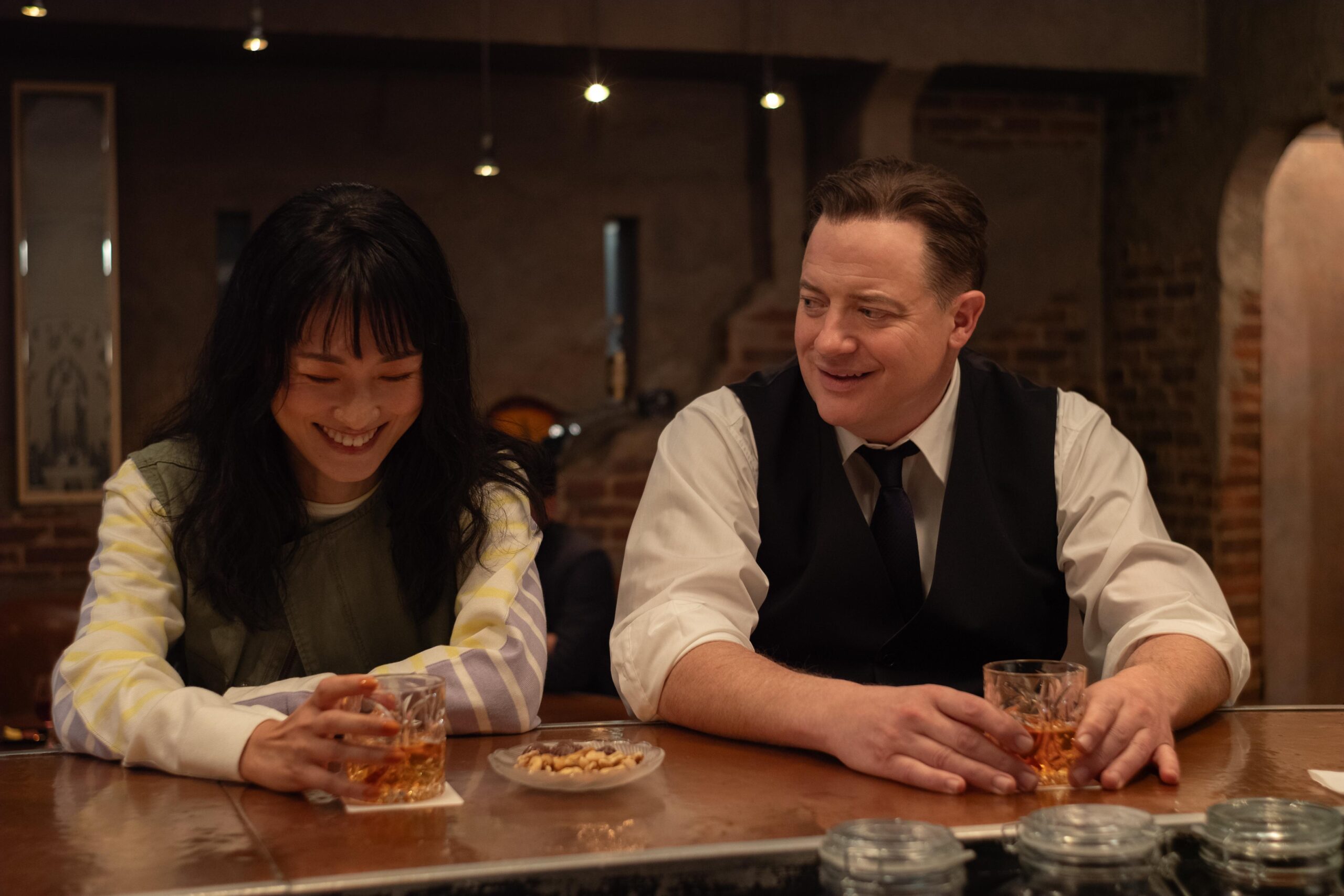
With no clear idea of Mia’s true father’s reasoning for disappearing—and little more information about the guy beyond Phillip’s new name, Kevin—he’s introduced by Mia’s mother, Hitomi Kawasaki (Shino Shinozaki), to a cold-shouldered, dagger-cheeked demeanor as Mia almost yells: “Why’d you leave us for so long? Why did you come back?” With no sure answer, Phillip does what the real Kevin might also have done: made up some excuse that Mia meekly absorbs. “[Swear] you will never leave us again,” she retorts, with her pinky-promising finger equipped at the ready. Even as Phillip gives her a much-requested backpack and they go to parks together, Phillip is initially convinced that “she hates me.” Nevertheless, his consistent presence and pleasantries as her newly-encouraged “dad”—“Sometimes it’s okay to pretend,” he goofily relents in a cartoon fish aquarium, to which Mia breaks her first smile of the film—eventually breaks through, and she no longer “hates” him. As Phillip’s new bonds strengthen, however, Shinji’s personal hypocrisies that extended through the company pierce Phillip’s intentions.
Shinji, Hitomi, and Kikuo’s helicopter daughter insist Phillip start breaking his bonds, with Kikuo’s mental clarity and safety at risk when he asks for day trips outside of the house, Hitomi worried about Mia’s attachment to a paid actor, and Shinji concerned about lawsuits. Heartbreak ensues in ways not to be spilt here, forcing Phillip to reconcile with what’s most important: the connections with his clients, or avoiding the risks involved, even if it means squelching his and others’ hearts? Plus, as he gets closer to fellow actor Aiko, he discovers the “Apology Service” RF offers sees her get slapped around by cowardly cheaters’ understandably angered wives (even though she isn’t the mistress). Upon confronting Shinji—“You’re such a hypocrite. You talk about helping people, but you’re really hurting them”—he takes “helping people” much further, allowing himself full, honest relationships with his clients. Even as complications arise, his and RF’s other involved parties’ lives significantly lighten as they enable complete transparency, attachment, and healthy bonding to flourish with their clients. With a boatload of other personable details about this film’s ensemble and many other untouched yet equally culturally poignant themes about life and the necessity of attentive companionship, Rental Family demonstrates a lighthearted attitude towards many somber realities we might all need to face.
Thus, while one more mainstay client could’ve sped things up, and sometimes the humor only instills wry smiles amidst otherwise gut-poking morosities, Rental Family is a complex emotional piece that demonstrates Fraser’s award-worthy star power and director-co-writer Hikari’s prowess at cross-cultural emotional unpacking. Phillip didn’t need to make it big to have a big impact on people. For dramedy fans, Japanese cinema fans, Brendan Fraser fans, and those looking for something slow, sweet, and seemingly simple but actually subtly complex, Rental Family is worth way more than a continuous subscription to any other service.
2025
dir. Hikari
110 min.
Screening now @ Alamo Drafthouse Seaport, Apple Cinemas, Capitol Theatre, Landmark’s Kendall Square Cinema, West Newton Cinema, and all local AMCs