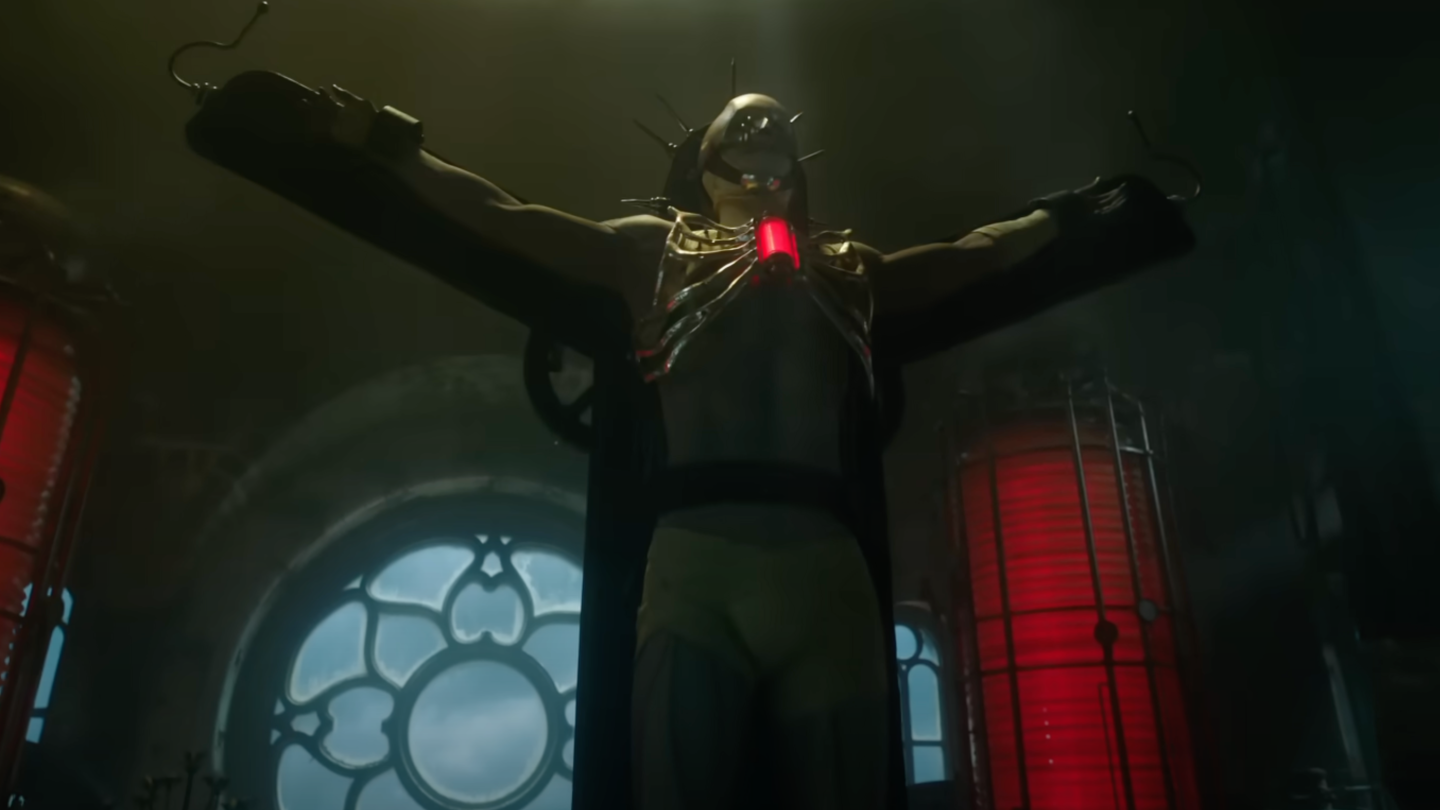
Guillermo del Toro’s reimagining of the titular monster in Frankenstein is a twisty, heartbreaking, and deftly woven epic about humanity’s true definition. While the slow build significantly sludges the otherwise breathtakingly impactful narrative, del Toro and co. weave together a detailed, heartfelt, and introspective gaze at the titular monster (Jacob Elordi) and how closely he resembles humanity, even more so than his maker, Victor Frankenstein (Oscar Isaac). Frankenstein’s story isn’t unfamiliar. A borderline mad scientist yearns to discover the secret to humanity, and in doing so, he brings out his own monstrous behaviors—abuse, vanity, and a superiority complex of sorts—in trying to make Frankenstein more “human.” While variations throughout his cinema-specific journey have changed his story and image significantly (and we all love Boris Karloff’s once classic gentleness in the role!), del Toro’s newest years-in-the-making adaptation goes back to the roots of Mary Shelley’s original 1818 novel, exploring the emotional complexity, human nature exploration, and intricate relationships that make Frankenstein a heartbreaking tale.
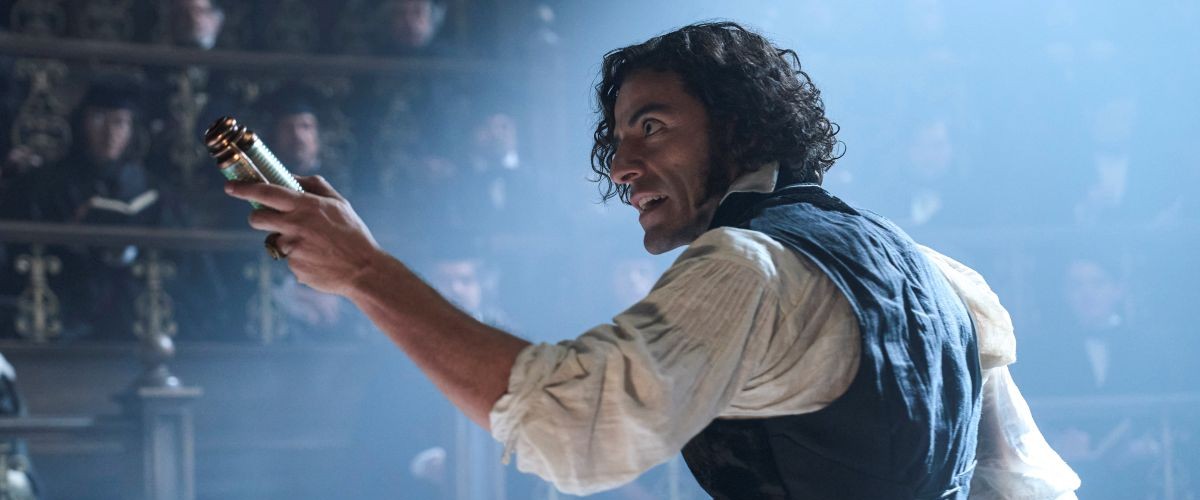
Del Toro elegantly hooks audiences in with simple man-v.-monster terror. As an on-sea expedition led by Captain Anderson (Lars Mikkelsen) makes way for the North Pole, the ship locates a bleeding, disheveled, near-dead Victor and takes him aboard, who immediately warns that they must leave Victor as the hooded, angry Frankenstein comes around and tries tipping the entire frozen-watered ship over. Insane action. High stakes. A man pleading to be… given back to the set-up villain? Nothing makes sense—that is, until Victor retells his story to the crew. Immediately, Victor’s narcissism (and Oscar Isaac’s deft work as a madman) appears on full display: at his first on-screen demonstration to an auditorium of 1800s academics, he pleads for their acceptance of his brilliant creation and, more importantly, his legacy as the creator of new life as he shows off a half-built body made out of other dead people’s body parts that rasps desperately before suffocating upon getting unplugged. He doesn’t necessarily care for the life he’s created, but more about the fact that he was the one who created it: “I had a vision, an idea took shape in my mind. Inevitable. Unavoidable. Until it became truth.” Once that “inevitable, unavoidable… truth” comes closer as Victor gets approached by wealthy arms manufacturer Henrich Harlander (Christoph Waltz)—who also happens to the the uncle of Victor’s brother’s wife, Lady Elizabeth Harlander (Mia Goth), the woman Victor secretly develops feelings for but also desires to prove wrong given her many criticisms about Victor’s vain, brutish experimentation—Victor only grows more insecure and egotistical Once actually realized in the gothic, cryptic archways and columns of his castle’d experimentation grounds, he only gets worse.
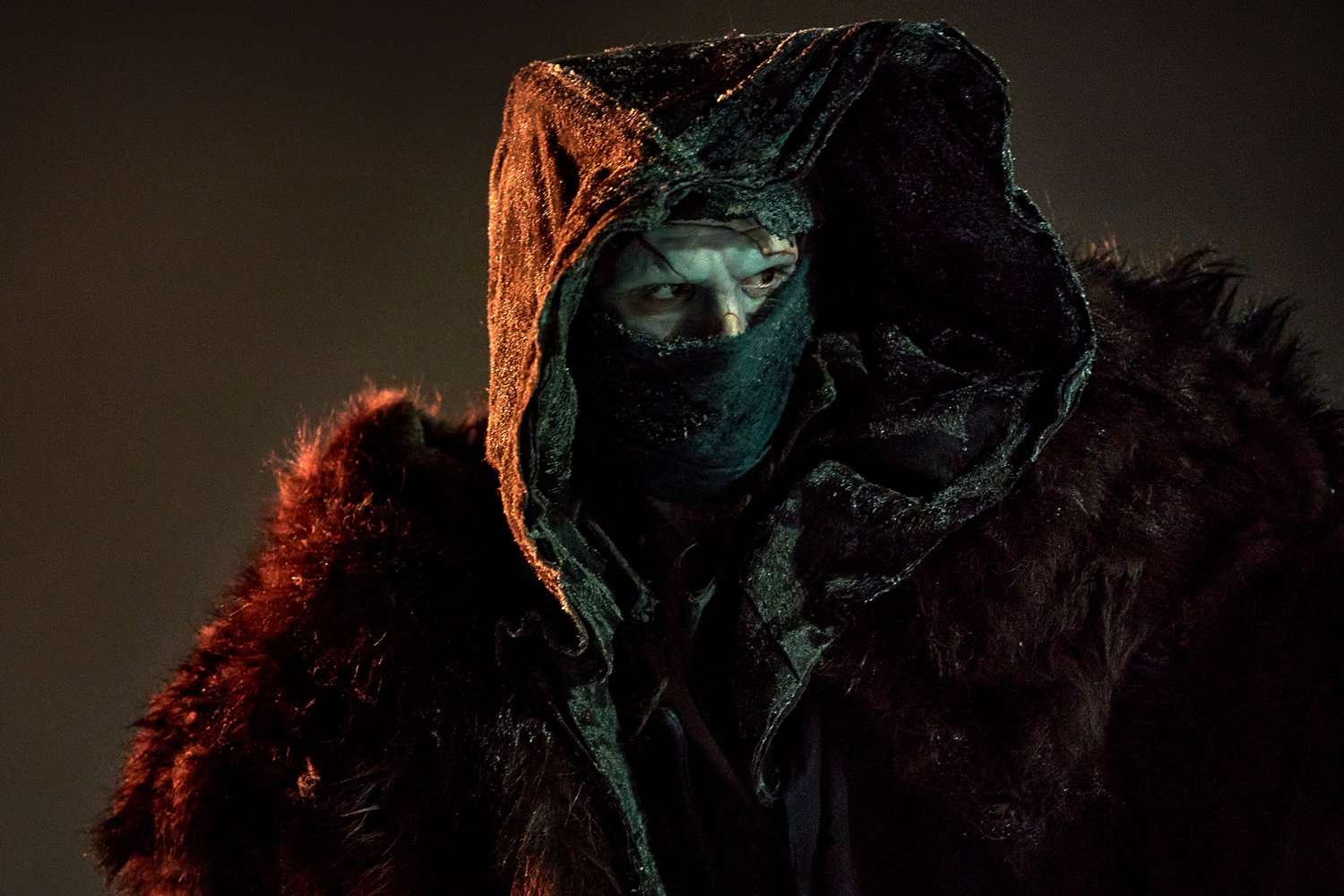
The monster, basically a man-sized baby, fails to meet Victor’s expectations. He can only say his master’s name, can hardly function beyond basic motor skills, and Victor even believes him mentally void: “There’s something wrong with him…. I mean, he can only utter my name!” he screams at an increasingly worried Elizabeth. Brute, direct force becomes his only means of progress. Having essentially killed Henrich and dissected him to help build his beast, Victor beats Frankenstein and hollers at him with every mistake he makes: “Can you say nothing else? There must be thoughts in there. Tell me what you’re thinking!” he yells before snapping a wooden stick on Frankenstein’s back to nothing but flinches and yelps. The further he dives into believing Frankenstein to be a failure—”In seeking life, I created death,” he admits—the further he strides away from empathy, kindness, and nurturing that humans need most and, more importantly, distinguishes man from monster. Deeming death the only option for his manmade “beast,” torching the castle seems the only way out—if only it were so easy.
Upon Frankenstein’s escape from his creator’s treacherous grasp, his purity and capacity for humanity almost instantly appear and grow. Instead of hunting for food and purpose with the same reckless violence his creator unleashed on him, he finds nature’s beauty as he gently passes food between himself and a deer he encounters. A beast would act on instinct, preying on fresh meat to survive, but the thought-filled, sentiment-yearning Frankenstein absorbs the scenery and bonds with the deer. Such curiosity and tenderness, fortunately, was also introduced to him by Lady Elizabeth before their tragic separation. Caressing his roughly assembled face as she teaches him about the things he perceives around him, like sunlight and warmth, he finds in her what Victor could never give: love. And with that tender love, once he stumbles upon a farming family headed by an elderly blind man (David Bradley), instead of angrily killing them and burning down their home, he dedicates himself to being their unseen protector, only known as a spirit. Mending their fences, protecting their valuables, crops, and livestock, the blind man eventually thanks Frankenstein, admitting “you are a friend,” regardless of his past and appearance as Frankenstein breaks down in a vulnerable admission of everything. Beasts can’t make friends. Beasts can’t love. Thus, Frankenstein, even in his rage, is a much more relatable human protagonist than Victor, especially as the two finally meet in the present.
Both now injured from their Arctic chase, the truth of Victor’s madness ultimately spills. As shown early on, having attained similarly abusive, distant parenting practices from his own father, Baron Leopold Frankenstein, Victor merely does to Frankenstein what his father did to him. Instilling in Victor at a young age that he means nothing beyond his nameable achievements—”men are nothing beyond their legacy,” Leopold says to a love-vying young Victor—it becomes harder to entirely fault Victor for Frankenstein’s currently destructive life. They both suffer partially at the hands of Leopold’s own hangups that have now passed down through generations. Victor’s last-breath vulnerability shows Frankenstein how similar they both are, leading him to act in the most human (and emotionally mature) way one could: he forgives his creator for his faults after detailing his story to his creator and the captain. The score wilts. Tears shed. Frankenstein is free. Free of the torment and Victor’s grasp on his destiny as he inhales the sun’s hopeful rays, it’s hard not to feel heavy-hearted from this tale of intertwined sadness and unbecoming that, while unintended, revealed Victor’s monstrosity and the contrast with his “monster’s” larger capacity for human connection. If only they could’ve hashed it out without any of Victor’s cruel raising behavior and Frankenstein’s intense anger, their fates might’ve ended much less morosely.
Unfortunately, del Toro’s epic has one major flaw: it’s simply too long. While everything analyzed and discussed previously is heart-shatteringly entertaining, there’s simply too much of it. If a half hour of silences and some of the overly cumbersome dialogue were shaved down, del Toro’s Frankenstein would be a perfectly paced epic detailing Frankenstein’s humanity and his and his creator’s tragically intertwined fate. As it is now, it’s a solid adaptation, but too slow to keep more casual viewers electrified. Beyond that, with elegantly crafted sets and costumes, a refined score composed by Alexandre Desplat, top-notch performances, and heavy doses of humanity’s best and worst traits, Frankenstein is a strong example of why empathy and connection are vital to humanity—and how complicated relationships can get. For Frankenstein fans, award-winning del Toro fans, big-budget monster flick fans, and those hoping for a good Netflix project, Frankenstein is a body-shivering drama about the humanity in seemingly scary figures.
Frankenstein
2025
dir. Guillermo del Toro
149 min.
Opens Friday, 10/24 @ Coolidge Corner Theatre (screening on 35mm), West Newton Cinema, and Alamo Drafthouse Boston Seaport