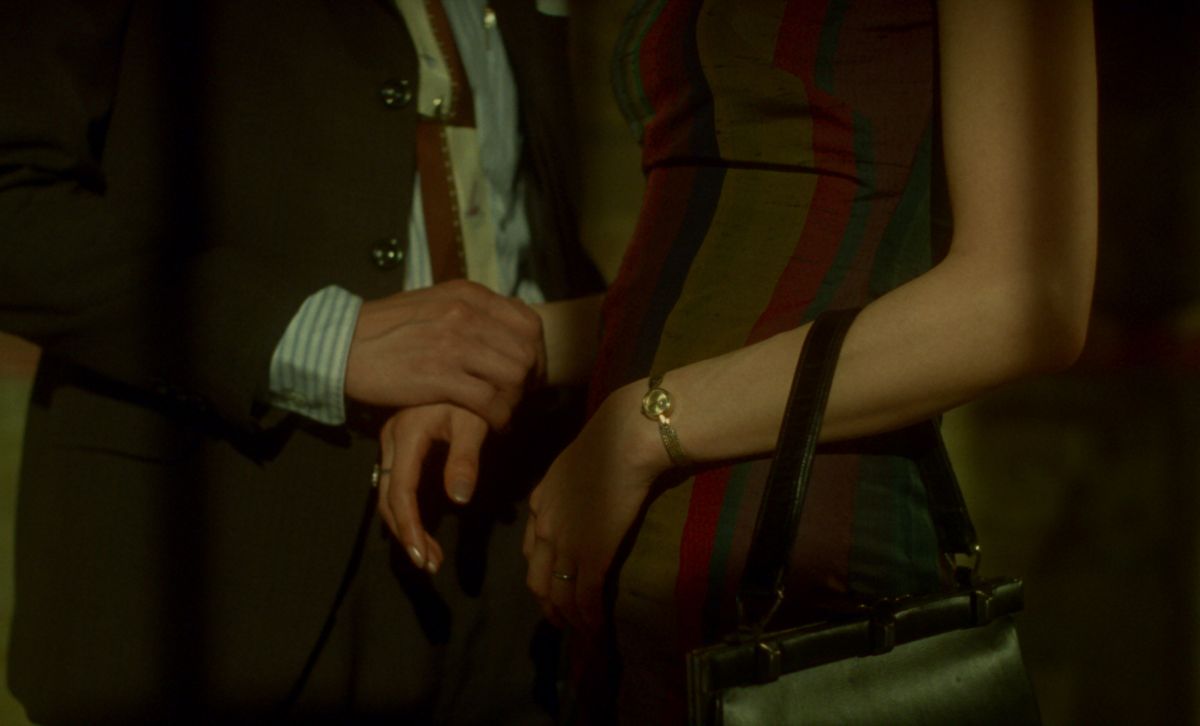
When I caught word that In the Mood for Love would be receiving a 25th anniversary rerelease, part of me thought it was a joke. This is not to say that the film is undeserving of the honor; on the contrary, Wong Kar-wai’s 2000 masterpiece is one of the most lauded and beloved films of the 21st century, and mandatory viewing for anyone even casually interested in contemporary world cinema. It’s just that, particularly over the past several years, it’s difficult to think of a film which has been more thoroughly rereleased. The (somewhat controversial) Criterion remasters of the Wong canon were one of the first major repertory sensations of the post-lockdown era, driving countless cinephiles back into theaters after a year of streaming-induced claustrophobia. In the years since, Wong’s films in general, and In the Mood for Love in particular, have enjoyed near-constant encore presentations in arthouses across America; I believe it has been playing in one theater or another every single time I’ve visited New York in the past five years. I’m no box office wonk, but I would be very curious to compare In the Mood For Love’s current box office total against its haul as of 2019.
So what is it about In the Mood for Love which continues to sell out weeknight screenings week after week, decades after its release? Part of it surely has to do with the gorgeous atmosphere— the sumptuous photography of Christopher Doyle, the smoky soundtrack of Nat King Cole singing in Spanish, the fact that Maggie Cheung and Tony Leung are two of the most attractive actors ever committed to film. But it has just as much to do with what isn’t present. The story is simple: two neighbors, played by Leung and Cheung, suspect that their respective spouses are carrying on an affair together, and begin spending time together ostensibly as practice for confronting them. But Wong leaves enough ambiguity and gaps for the audience to fill in that the film becomes largely impressionistic. Just as we never see Norman Bates’ knife connect with Marion Crane in the shower, we’re left with the illusion of having witnessed a steamy love affair, but Mr. Chow and Mrs. Chan never kiss, or even so much as admit their feelings for each other outright. What we take away from the film depends on what we bring to it, and how we read those pregnant pauses. It’s possible to watch In the Mood for Love a dozen times and never see the same movie twice.
This is appropriate for a film whose shape remained amorphous right up until its first screening, and remains so to a certain extent today. In a recent oral history in Sight and Sound magazine, Wong and his collaborators describe their constantly shifting vision of the film; scenes, subplots, and character motivations were added and removed over the course of a sprawling, 15-month shoot, the edit lasting right up until the eve of its premiere at the Cannes Film Festival. Most intriguingly, Wong reveals that the story of Mr. Chow and Mrs. Chan was originally going to be just one segment in a three-part anthology film loosely structured around 20th century innovations in food preparation (note the fateful rice cooker which sets the events of the film into motion). Obviously, the story we got is a meal in itself, but it’s tough not to think about what other gastronomical tales we might have received.
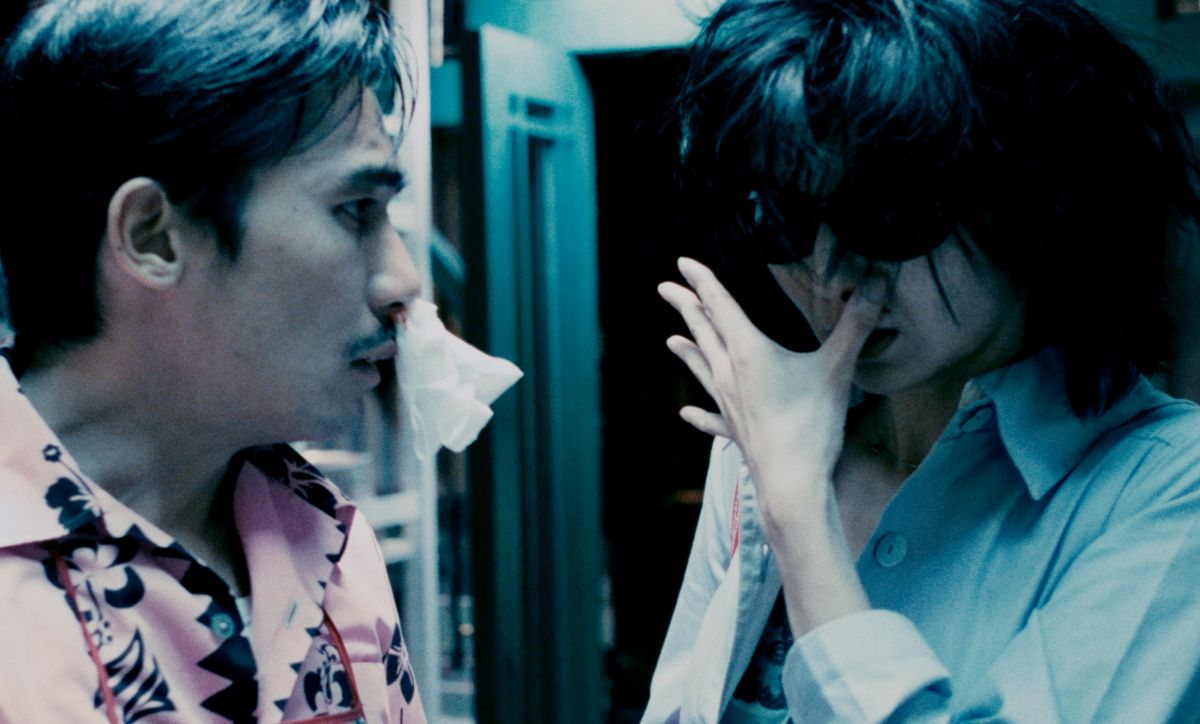
This new edition provides at least a partial answer (and a reason to revisit it yet again). Included with the price of admission is Wong’s little-seen follow-up short In the Mood for Love 2001, which has not been seen since Wong screened it as part of his masterclass that year at Cannes. In what would have been the third and final segment of the planned triptych, 2001 once again casts Leung and Cheung, here half a century removed from the star-crossed maybe-lovers we’ve come to know from the finished film. This time, Leung plays an aloof, fastidious convenience store clerk, and Cheung a decidedly messy regular customer who seeks refuge in the cool of the store’s cake freezer. Though we only get to spend nine minutes with these characters, they exist in a similarly liminal state as their feature-film counterparts, leaving us plenty of space to draw our own conclusions. It is also just as beguiling, and so effortlessly cool (in typical Wong fashion), to make us wish we could spend just as much time in that little shop.
In the Mood for Love has now existed for a quarter century, during which time its reputation has grown nearly as imposing as the Cambodian temple to which Mr. Chow whispers his secrets in the film’s postscript. That it continues to shift its shape, both figuratively and now, with the addition of its new coda, literally, speaks to what makes it so special. Where many classic films are compared to fine literature, In the Mood for Love is more like a favorite album, whose lyrics and melodies take on different meanings depending on where and when you relisten to them. It remains an irresistible rewatch— and I have little doubt it will remain on the big screen for decades to come.
In the Mood for Love (25th Anniversary Edition)
2000/2025
dir. Wong Kar-wai
107 min.
Opens Friday, 7/4 @ Coolidge Corner Theatre – click here for showtimes and ticket info